After having relocated over 1000 km (750 miles) to a different climate zone, I have learned that though there are many aspects to moving that I thought I anticipated, it takes time to understand that in some senses one becomes unmoored. Although we relocated within the same country—we semigrated as it is dubbed locally—why should it feel quite so disorientating?
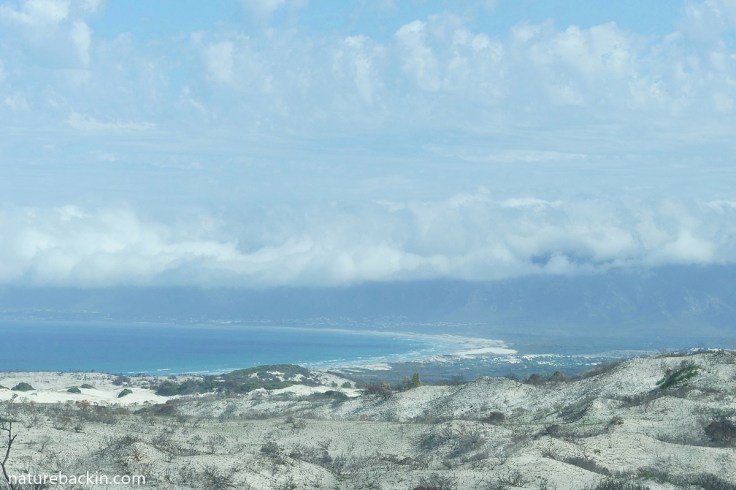
Remains of burnt vegetation on the dunes overlooking nearby Walker Bay in the Overberg.
Before relocating, I took certain things I knew for granted, but have found that much of this knowledge no longer fits. There is a lot to learn, questions to be asked, but it can be inordinately difficult to find the right questions, and even more so to find the answers. The flipside is that when first in a new place, one is almost relentlessly asked: why did you come here?
Having to abandon much that is familiar happens simultaneously with needing to assimilate the unfamiliar. Even though we are in the same country where much overlaps and there are commonalities, I nevertheless still find speech patterns, accents and even languages that are unfamiliar, the climate is different, the landscape and flora are different. I miss familiar birds and their calls, I miss the rain in summer, I miss the smells of a lusher landscape and the fertile soils. I miss our former garden.
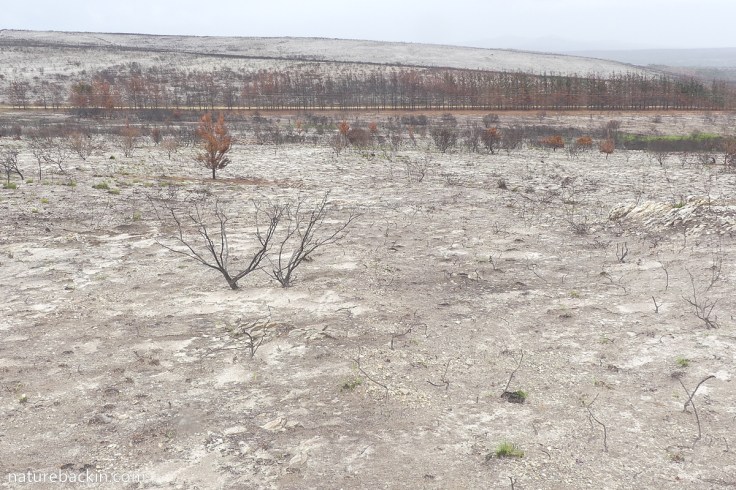
Nearby farmlands after the fires.
All these things are small potatoes I know, which is why for over three years since relocating I have completely dismissed them as having any significance. I have been getting on with it. But recently I have started to concede that these small differences all add up to changing profoundly the narrative of one’s daily life. I started dealing more in learning factual and knowable things, and set aside feelings and assumptions. So, I decided in this blog post to revert to a more personal style.
And yet, despite this decision, I find I still can only negotiate through this new space by leaning on and learning new knowledge. In the aftermath of the wildfires in this part of the Western Cape (see my previous post on the fires), I saw obvious change, loss and destruction, but I have learnt that in the context of the region’s natural fynbos (shrubby heathland) botanists see renewal.
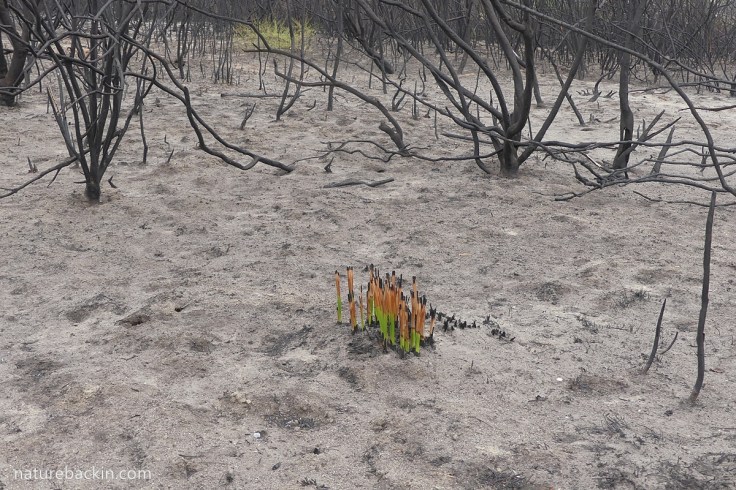
First signs of new shoots after the fires.
When so many have lost so much to fire how can fire be seen as a source of renewal? Is this an appropriate question to ask even in the context of fire-adapted fynbos?
Here is a link to what Grootbos Private Nature Reserve had to say about fire as renewal in its update on the fires of late 2025. It is worth noting that during the most recent series of wildfires, Grootbos had to evacuate its tourist lodges twice due to fire. In a massive fire in 2006, most of Grootbos Nature Reserve was burnt, and a newly built lodge was completely destroyed by the fire. Reflecting back on 2006 and other fires in an earlier post, Grootbos botanist and Conservation Manager, Sean Privett, reflects that preparation not prevention of fire is key.
The fynbos is no ordinary ecosystem. Since the region slipped into its Mediterranean climate millions of years ago, fire has been part of its DNA. Plants and animals haven’t just adapted to burning; they thrive because of it. Without fire, the ecological clock stalls, species falter, and diversity fades. (Privett, 2025)
When we occupy a fire-prone land where the flora is not only adapted to fire but dependent on fire, Privett observes that it is essential to plan properly and learn how to co-exist with fire.
In the aftermath of the fires
In the first weeks after the fires, we went out and saw the devastation in the farmlands. We also we saw the first signs of tuberous plants flowering or sprouting, we saw the resprouting shrubs sending up green shoots, and we saw that plants in the Proteaceae family released their seeds in response to fire to enable a new cycle of regeneration.
Resprouting bulbs
Among the first naturally occurring plants to sprout after fire are tuberous plants. Many sprout during the end of summer/early autumn after rain. But they regenerate with particular vigour after fire. Not only do they respond to the increased light as the overhead vegetation has been burnt away and they have little or no competition, but they also benefit from the ash-enriched soil.
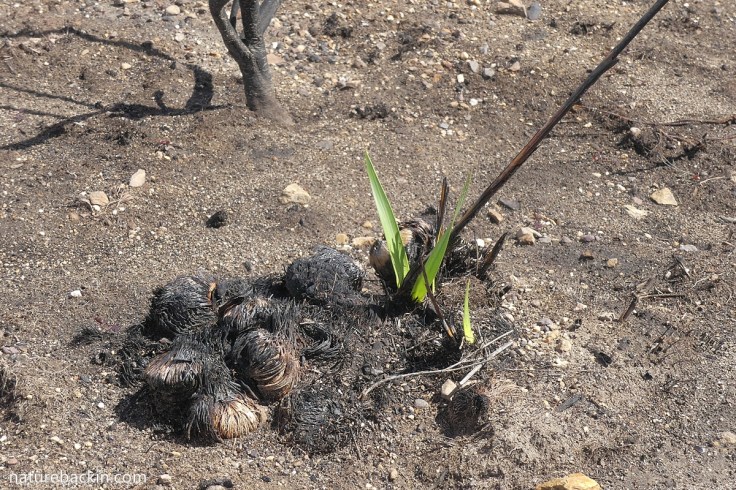
These bulbs survived the fire to sprout their first leaves.
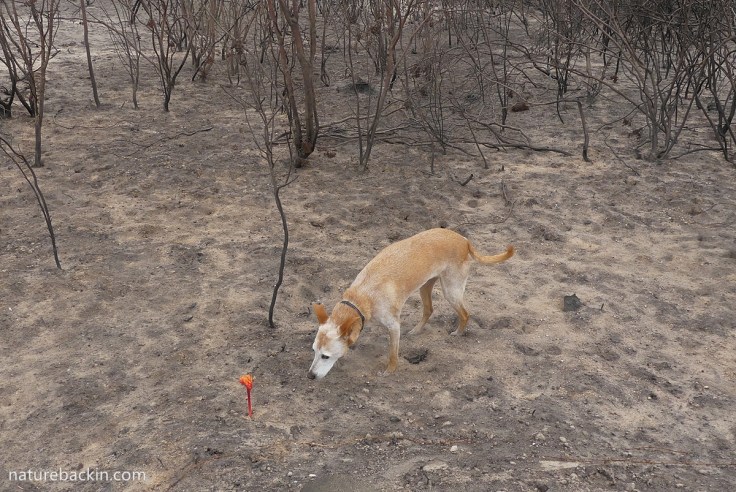
The Haemanthus sanguineus (smooth blood lily) sends up its flower stalk and flowers before sprouting any leaves. This first (and at that time only) flower to appear after rain in a recently scorched area attracted the attention of our dog Amy.
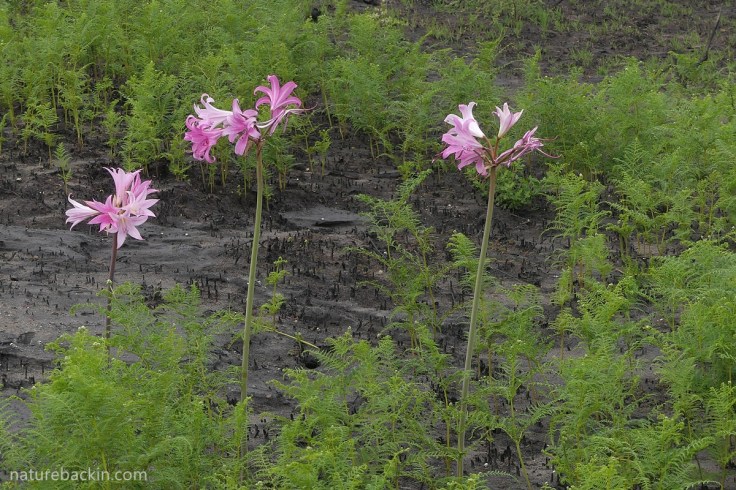
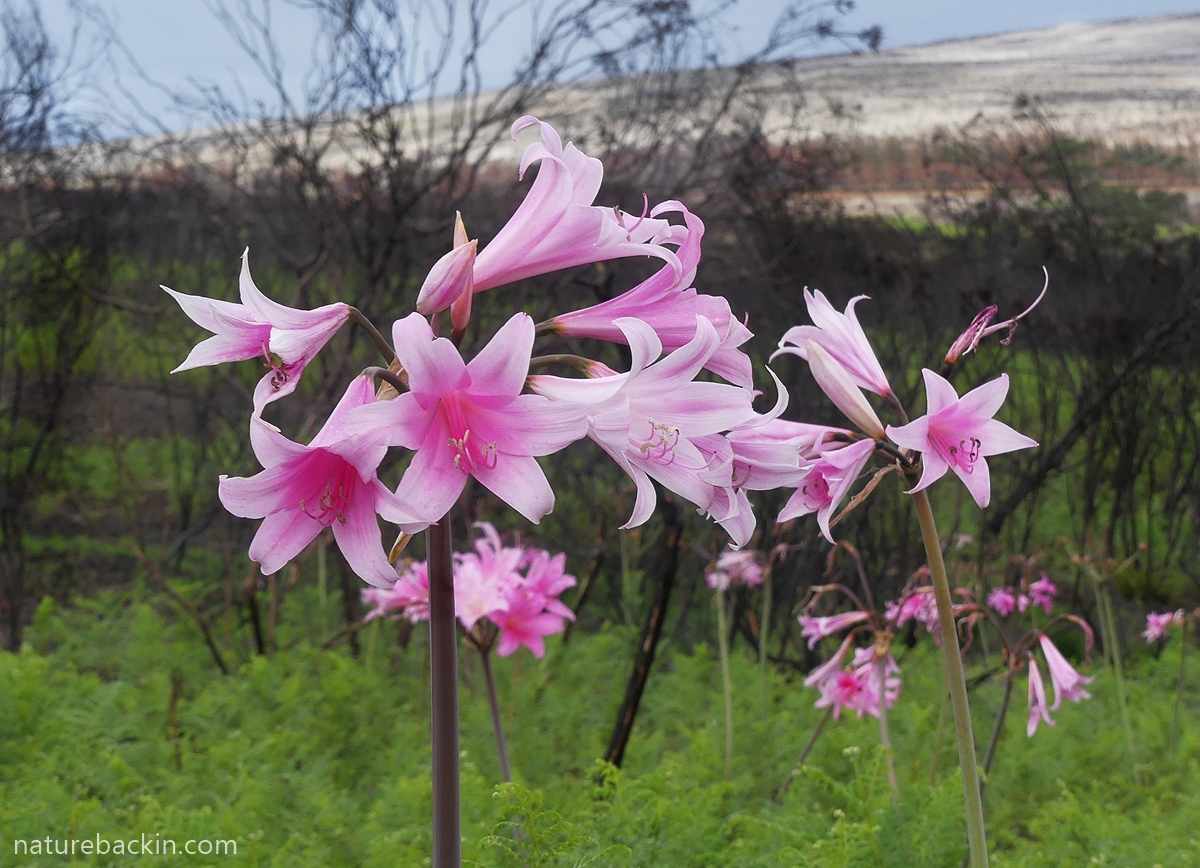
Long stemmed flower-heads of the Amaryllis belladonna, which is also known as the “naked lady” as the plant flowers in the absence of leaves that appear only after flowering. These lilies emerged along with bracken in a dampish seepage on the side of a ridge.
Resprouting herbaceous plants and shrubs
Some plants survive the fires to sprout from rootstock.
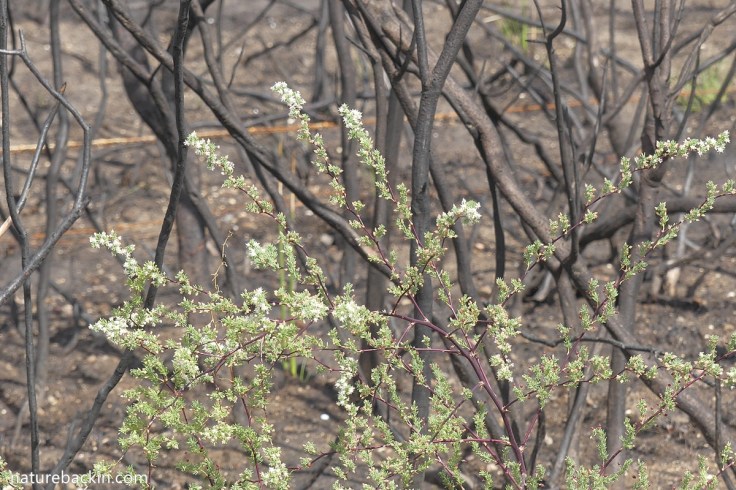
Amongst the first plants we found sprouting after the fire was the fast-growing redstem asparagus (Asparagus rubicundus), showing its small white flowers in the above photo.
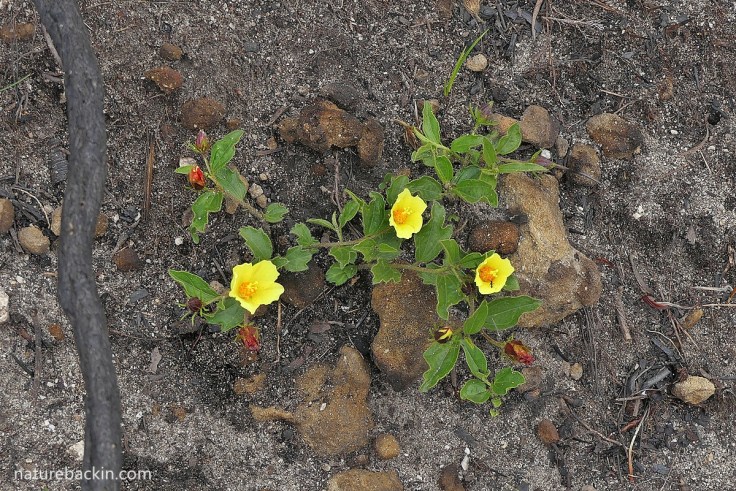
We found low growing Cape hibiscus (Hibiscus aethiopicus) flowering in abundance. It is a small prostrate to semi-erect herbaceous perennial in the family Malvaceae, indigenous to eastern and southern Africa. It resprouts from its woody rootstock after fire.
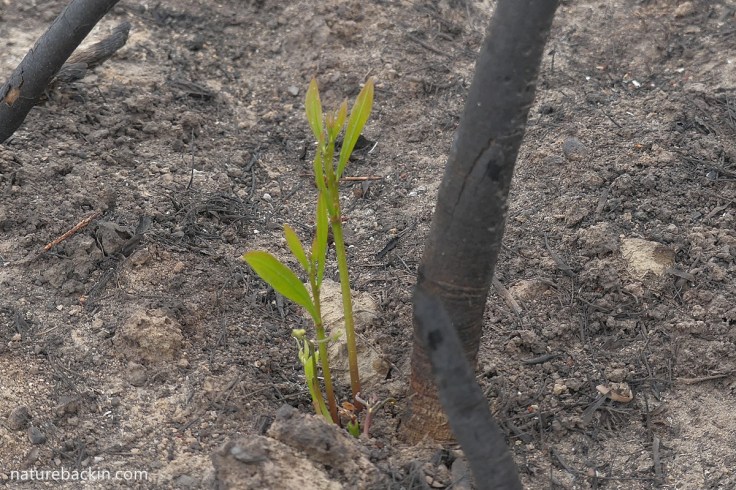
Not all resprouters are a cause for celebration. Along with the native fynbos shrubs that resprout are invasive and alien wattles that are also fire adapted. I am not sure, but possibly in the photo above is a Port Jackson willow (Acacia saligna) or a Rooikranz (Acacia cyclops) emerging after the fires with renewed vigour. Both species are prominent among alien plants in the region that flourish after fire to form thickets that displace native vegetation and also burn hotter in subsequent fires with devastating effect.
Reseeders releasing their seeds in fire
Some fynbos plants, referred to as serotinous reseeders, hold onto their seeds in hard cones or flowerheads to release them only when triggered by fire, specifically by the heat and/or by chemical cues in the smoke. Although some species in the Proteaceae family are resprouters, most are serotinous reseeders, with the old and often woody parent plant dying in the fire as they are “cued” to release their seeds for the next generation.
Fire also stimulates the germination of older seeds that may have been buried in the ground for quite some time, even for years. For some Leucospermum species, the seeds have been transported by ants underground where the seeds remain until stimulated by fire.
Just as there are invasive alien plants that resprout after fire, there are also invasive alien plants, such as species of Banksia and Hakea, that are serotinous reseeders that are a threat to native plants, with the ability to outgrow and displace them.
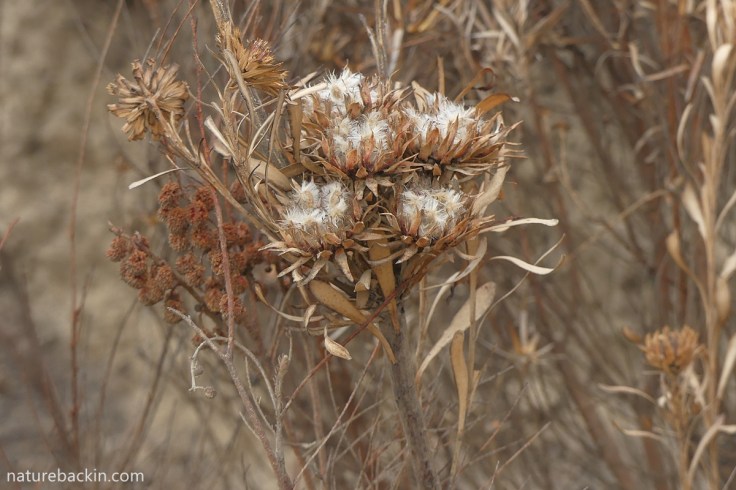
These plants were scorched by the intense heat of the fire that triggered the woody shells of the inflorescences, which had been retaining the seeds, to open and release the fluffy seeds to be dispersed by the wind. I think these plants are the broadleaf featherhead (Aulax umbellata), a member of the Proteaceae family.
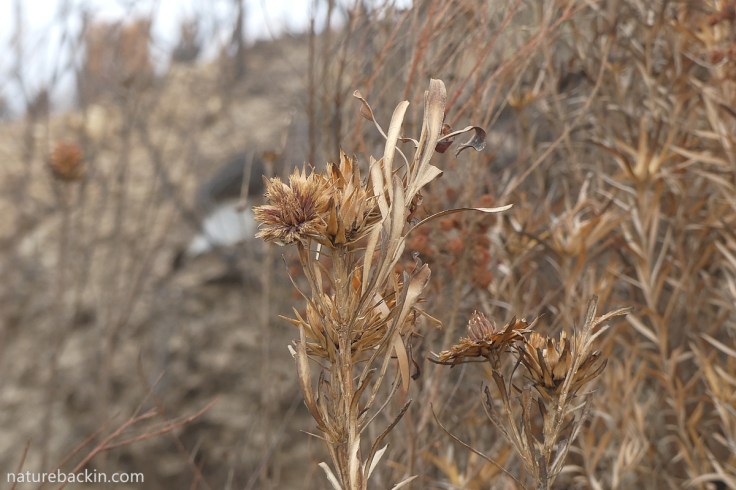
The seeds from these opened Aulax umbellata woody shells have almost entirely dispersed. Serotinous reseeders are vulnerable to local extinction if fires occur too frequently and plants are killed before they are old enough to reproduce.
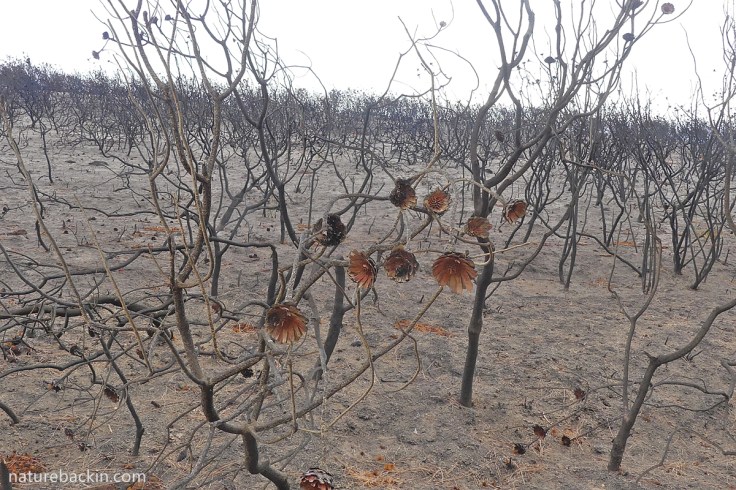
On this ridge and in the aftermath of the fire, these common sugarbush (suikerbos) proteas (Protea repens) have given up their remaining seeds in the fire. The mature plants die in the fire and their remains add nutrients back to the nutrient-poor soil.
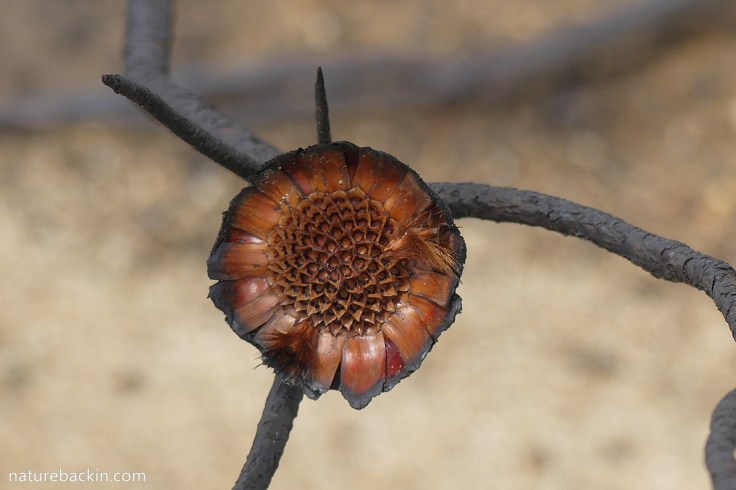
A close up of a seedhead after the fire with only a few fluffy seeds remaining. Mature Protea repens plants produce seeds throughout their lifetime, some distributed and stored in the soil, and others stored in the old seedheads that are stimulated to open and release the seeds when the plant dies or is killed by fire.
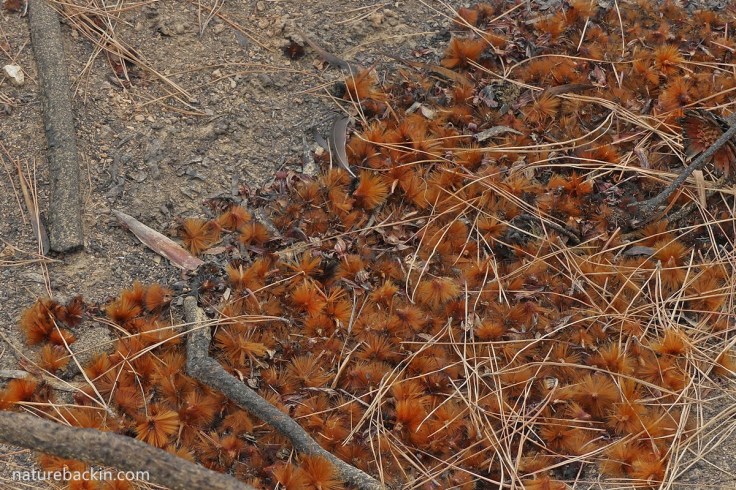
A drift of seeds from Protea repens plants after the fires. Natural fires mostly occur just ahead of the winter rains, so the rains that follow help any seedlings to grow well ahead of the dry summer ahead.
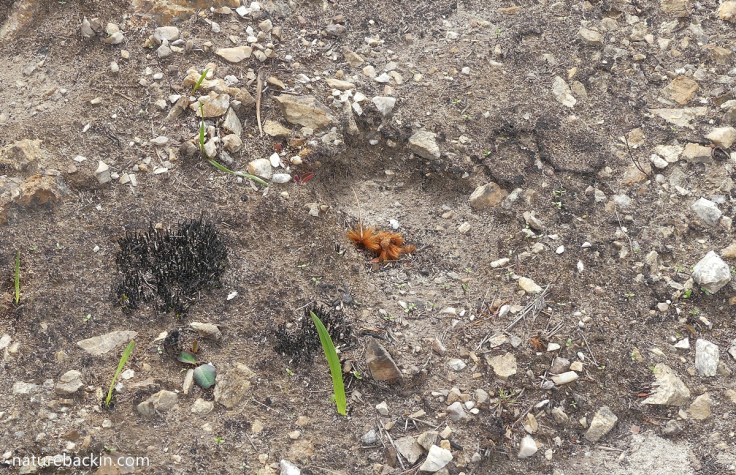
On another ridge heavy rains had washed a lot of seedlings downhill but some get stuck in a small depressions where, hopefully, they will be able to germinate during subsequent winter rain.
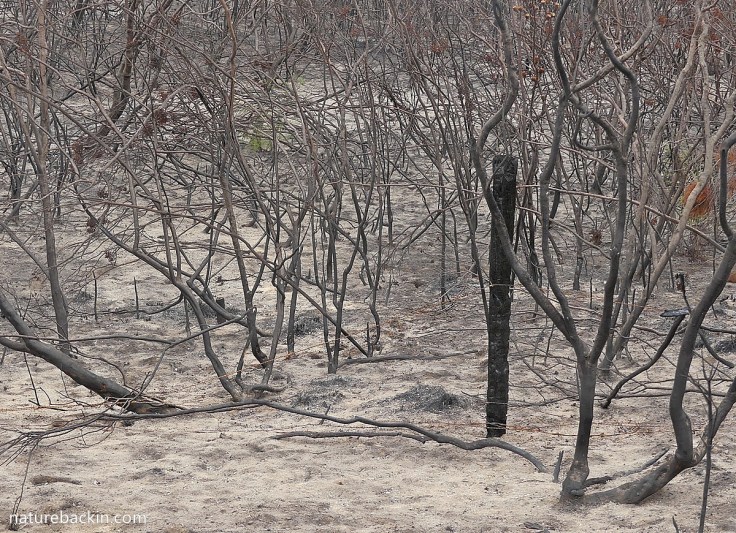
A scorched fence post stands within the burnt vegetation as testimony to the infrastructure that was lost and that won’t be regenerating after the fires.
“Life After Fire”
South African exhibit wins gold at the RHS Chelsea Flower Show
South Africa’s fire-driven fynbos eco-system was the subject of this year’s exhibit designed by Leon Kluge and Tristan Woudberg. Titled “Life After Fire”, the exhibit won the South African team its 40th Gold Medal and the Best Exhibit in the Great Pavilion at the RHS Chelsea Flower Show 2026 in London, UK. Click on this link to watch Leon Kluge do a final walkthrough of the exhibit.
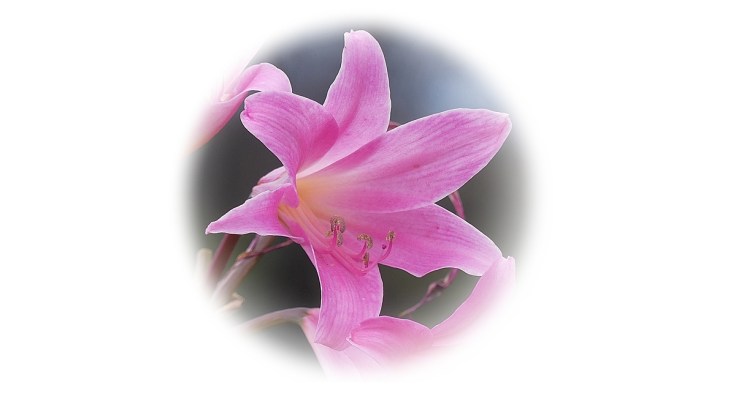
As in the two previous years, the South African Chelsea Flower Show exhibit will be recreated for display in the village of Stanford in the Western Cape, South Africa and is scheduled to take place 12 to 27 September 2026.
Sources:
Attwell, Tim. 2019. New Life in Fynbos. A photo-essay on fynbos regeneration. Kogelberg Botanical Society. https://kogelberg-botsoc.co.za/Blog/index.php/2019/03/20/new-life-in-fynbos/#lightbox[2395]/19/
Cape Nature. [n.d.] What a landowner needs to know about Fire Management. Factsheet. https://www.capenature.co.za/uploads/files/Engage-Nature/Fire-Prevention-images/Landowners-Guide-to-Fire-Management-Fact-Sheet-English-1.pdf
Grootbos Private Nature Reserve. 2026. Fire season 2025: An update on the recent fires that affected Grootbos. https://www.grootbos.com/en/blog/general/grootbos-fire-season-2025-update
Jamieson, H.G. 2002. Protea repens. SA National Biodiversity Institute (SANBI). https://pza.sanbi.org/protea-repens
Kluge, Leon. 2026. A final walkthrough “Life After Fire” Our South African display at RHS Chelsea Flower Show. May 23rd. https://www.facebook.com/leonklugegardendesign/videos/a-final-walkthrough-life-after-fire-our-south-african-display-at-rhs-chelsea-flo/1460746918627258/
Makhoba, Hope. 2026. South Africa wins best exhibit award at RHS Chelsea Flower show. Cape-inspired ‘Life After Fire‘ garden wins top international honour in London. Cape Town ETC, May 20th. https://www.capetownetc.com/lifestyle/south-africa-wins-best-exhibit-award-at-rhs-chelsea-flower-show/
Privett, Sean. 2025. The takeaway: Fire isn’t the enemy. It’s forgetting that is. https://www.grootbos.com/en/blog/foundation/fynbos-on-fire-sean-privett
Posted by Carol
Discover more from letting nature back in
Subscribe to get the latest posts sent to your email.


June 11, 2026 at 8:34 pm
Hi Carol,
Thank you for your thoughtful post. How frightening and unsettling the fires must have been for you when you had recently moved! It was interesting to read your ideas on regeneration, and the positive features of it.
Lately WP has been notifying me of throwbacks to past posts. It is bittersweet (and sometime surprising) to see some beautiful aspects of my garden that are now changed. Your post was a great reminder to focus on the future.
Hope you are well!
Julie
LikeLiked by 2 people
July 2, 2026 at 2:57 pm
Hi Julie – I am sorry about the long delay in this reply.
I suppose there are times when it is grounding or even nostalgic, or bittersweet as you say, to remember how things were previously, and it is also important not to discount the weight of loss, even if we try to accept inevitable changes.
My thoughts on regeneration were mostly specific to the fire-adapted plants of the fynbos, but I guess that we can learn from the positive aspects of such regeneration!
Yes, I am well thanks, and I hope you are too?
Currently, we are having a cold wet snap this winter, which is nothing to complain about, given warnings of a hot dry summer ahead.
Sending best wishes
Carol
LikeLiked by 1 person
July 2, 2026 at 3:43 pm
Hi Carol- Yes I am well. Right now a large part of the country is in an extreme heat wave, and our whole summer is forecast to be hotter than usual, as is yours. I’m spending more time inside with my musical and writing hobbies.
Cheers,
Julie
LikeLiked by 1 person
July 2, 2026 at 4:59 pm
Hi Julie
The extreme heat waves in so many countries currently is extremely daunting. Worrying also for our food supply. Sorry that you can’t really enjoy your garden in these circumstances, but it is good to have indoor projects to sustain you through the heat.
Take care
Carol
LikeLiked by 1 person
June 8, 2026 at 3:49 am
Hi Carol, Your post resonates in many ways. I feel for you in your adjustment to a new place and home, it’s hard to start anew. And the fires are simply devastating. I do feel hope looking at your photos of new life emerging. Recovery from the fires in LA is glacial and sad for those affected. I hope this finds you well- thanks for this post.
LikeLiked by 1 person
June 9, 2026 at 2:58 pm
Hi Jane – thank you, adjusting to a new place certainly takes time, even when overall it is a good move.
The new life in the natural vegetation after the fires is hopeful, but I feel for those who lost infrastructure and more and had their livelihoods disrupted, both here and in LA. Such a complexity of processes going on. Sorry that recovery in LA is so slow.
LikeLike
June 7, 2026 at 1:24 pm
Thank you Carol for yet another inspiring and informative post.
Change is difficult, even if it is inevitable. I hope that you start find it easier to settle into the rhythms of your new life
LikeLiked by 1 person
June 9, 2026 at 2:53 pm
Thanks for the good wishes Mariss. Overall this has been a positive move for us.
LikeLiked by 1 person
June 6, 2026 at 7:03 pm
Thank you for this thoughtful post Carol. Moving can be a complicated tangle of emotions. I hope you are able to enjoy the memories of your past home while continuing to settle into your new area.
In the UK, we don’t really have genuine “wildfires”. Which is to say, while the countryside does go up flames frequently (especially heathlands), it’s almost always due to humans. Disposible BBQs, glass litter, cigarettes, plus some deliberate – and highly contentious – burning by grouse moor estate owners. Genuine fire-evolved ecosystems are fascinating, although obviously present some very real challenges and concerns for people.
LikeLiked by 1 person
June 8, 2026 at 2:23 pm
Hi Adele – good to hear from you and thanks for the good wishes. Overall our move has been a positive thing. As you say, moving is complicated.
I suppose regions that are (or were!) high year-round rainfall areas are unlikely to evolve fire-dependent ecosystems! Whatever ecosystem one finds oneself in, I guess that fire is generally challenging – and increasingly so.
LikeLiked by 1 person
June 6, 2026 at 4:43 am
These fire-ravaged photos are a far cry from former posts. Living in a fire-dependent landscape must be challenging, though the bursts of new life are thrilling in their way. I hope your move is working out for you. I was looking at photos of my old garden and missing it a bit, this after nigh on 15 years! It’s always a pleasure to read your interesting and informative posts.
LikeLiked by 1 person
June 6, 2026 at 7:59 am
Hi Graham, thanks, and yes it is very different here. Even without fires, it feels arid here in the dry summers. I agree that there is something thrilling about the bursts of life emerging after the fires.
Overall, this has been a good move for us, despite what I miss! I am interested that you still feel a few pangs re your former garden after 15 years. But on the other hand experiencing new stuff keeps one on one’s toes.
LikeLiked by 1 person
June 7, 2026 at 4:55 am
Sometimes, when I’m searching for photos, I come across ones of the old garden. It was a great space and still in its early days when we moved. I guess it’s a bit of nostalgia for what it might have become.
LikeLiked by 1 person
June 8, 2026 at 2:18 pm
Nostalgia can be bitter sweet.
LikeLiked by 1 person
June 5, 2026 at 12:23 pm
Hi Carol, this post really struck such a chord with me.
I too, made a major cross-country move, when I was young and needed a job in the mining industry. I moved from Cape Town to the then Transvaal, finally ending up in Johannesburg. Oh, but more than 40 years later I still feel marooned, exposed in the suburbs of the Big Smoke! Where is the mountain, anchoring me to my place in the world?
But I also know about Cape fires. When I was still in Cape Town, my parents had a weekend smallholding on the northern slopes of the Kleinrivier mountains, just over the mountains from Stanford. They grew proteas, ericas, restios and other fynbos for the flower export market. Twice we had a fire come through, the first time completely destroying the Zozo cabin we used to stay in, as well as all the proteas and other flowers. The second time, although the house was spared, the flowers got wiped out again, along with some of the beehives. It is heartbreaking to walk though the blackened remains afterwards and it takes a while before new life appears and hope returns.
Thank you for the nostalgia your post conjured up for me!
Regards
Lesley
LikeLiked by 1 person
June 5, 2026 at 1:04 pm
Hi Lesley
Moving from the beautiful Cape to the Big Smoke cannot be easy. (I lived in Jhb when in my 20s, and it never felt like home!)
I am so sorry for the losses due to fires that your family suffered. In addition to the losses it remains bleak for a long time until new life really reasserts itself, but even then the losses remain.
But despite those losses, you still remain attached to the Cape and the mountain. It is hard to take “home” with you, wherever you go. Glad this post kindled a sense of nostalgia and I hope you are able to visit the Cape from time to time.
With very best wishes
Carol
LikeLike
June 5, 2026 at 10:16 am
This is such an informative post, Carol, and it helped me to achieve a kind of balance in my mind about the recent hectic fires here. Thank you for your wonderful pix too.
LikeLiked by 1 person
June 5, 2026 at 10:40 am
Hi Christine, thanks very much. The fires were hectic, scary and devastating to many. A botanist or ecologist’s perspective is to take the longer view!
LikeLike
June 5, 2026 at 8:28 am
It is good to read a post from you again. I often wonder how your relocation is working for you – particularly as we will be relocating ‘down the road’ to Port Alfred within the next few months. Not far, but also to a very different ecosystem and I know that I will miss my large indigenous garden! Your focus on fire is an excellent one: as humans we tend to look at the destruction of buildings and things that we regard as beautiful. Walking through the Silvermine Reserve after a fire one year, I was struck by the kind of vegetation you describe here – all so beautiful. I was told then by someone who had grown up in Cape Town that ‘we have the fire to thank for this’.
LikeLiked by 1 person
June 5, 2026 at 8:58 am
Hi Anne – moving is a wrench, even when chosen. I hope your move goes well and you enjoy the new space and location. Even when there are lots of positives there are still lots of losses that one needs to accommodate. You will miss your garden for sure. It would be nice if the buyer also values an indigenous garden.
The fynbos biome is fascinating and complex. But it is very different to what I am used to.
I hope you will have a patch for gardening in your new place?
Although I miss miss our previous garden a lot, it had become too big and time consuming for us to manage. Obviously, it is less demanding to have a smaller patch.
LikeLike
June 5, 2026 at 9:04 am
I might have to garden in pots 🙂 🙂 🙂
LikeLiked by 1 person
June 5, 2026 at 9:08 am
That will make a change! A pot for herbs and one or two favorites will do! I hope you enjoy being near the ocean.
LikeLiked by 1 person
June 5, 2026 at 7:57 am
Oh, PS. The video you linked to is unfortunately not available to those of us not on FB.
LikeLiked by 1 person
June 5, 2026 at 8:45 am
Hi again – I also am not on FB, but can see the video as the page is set for public viewing. Sorry that it isnt being obliging for you.
LikeLiked by 1 person
June 5, 2026 at 9:43 am
I’m used to videos offered from sites outside the UK, wherever they originate, often not being available on blogs.😕
LikeLiked by 1 person
June 5, 2026 at 12:48 pm
Perhaps you may be able to see this interview with Leon Kluge showcasing the exhibit on this YouTube clip? Interview_with_Leon_kluge+2026+gold+chelsea+youtube
Fingers crossed! (Can copy and paste above link into your browser search box.)
LikeLike
June 5, 2026 at 2:07 pm
It worked! Interesting stuff – thanks!
LikeLiked by 1 person
June 6, 2026 at 7:50 am
👍🏼
LikeLiked by 1 person
June 5, 2026 at 7:43 am
Relocating to another country is one thing (and I know something of the plusses and minusses of that!), but to feel so discombobulated when relocating within the same country must be unsettling in the extreme. As well as the whole business of dealing with fire. Despite its being so important for renewal in areas where fire is ‘thing’, the frequency and ferocity of fires over the last few years must make the situation not quite so positive, perhaps? Or is Nature coping with its usual aplomb? I hope your relocation is something you see as largely positive, despite the difficulties you’re encountering? Good to have you back in the blogosphere after a longish gap!
LikeLiked by 1 person
June 5, 2026 at 8:43 am
Hi Margaret – thanks for your thoughtful reply. Indeed fires are becoming more frequent and hotter, with climate change, invasive alien plants and lack of coordinated fire management strategies in the mix. Where natural areas are intact and invasive aliens minimal and fires not too frequent, natural ecological processes can prevail.
Of course fires occur elsewhere in the country, notably in large plantations of alien trees so the dynamics are different.
Yes, overall the move is positive, but the adapting seems to be a prolonged process! You know what it is like to continue to miss aspects of previous “homes”.
In this era of extremes, in contrast to the fires, much of the country had devastating floods in early May, and again this week.
Hope you were ok in your recent heatwave and in previous extreme weather events?
LikeLiked by 1 person
June 5, 2026 at 9:44 am
We’re fine. A week long heatwave followed by week long rains makes wardrobe choices a bit tricky. First world problems …
LikeLiked by 1 person
June 5, 2026 at 12:54 pm
And the layered look does not necessarily solve the problem!
LikeLiked by 1 person
June 5, 2026 at 1:57 pm
Nope!
LikeLiked by 1 person
June 5, 2026 at 6:29 am
Gosh, I don’t think any of those things are “small potatoes”. It is an enormous thing to move your home to a completely different place.
LikeLiked by 1 person
June 5, 2026 at 8:25 am
Hi Nikki – I was thinking relative to what many migrants go through, my discombobulations are comparatively minor. But you are right, it does take a lot of adjusting. Thank you!
LikeLike
June 5, 2026 at 12:23 am
Fire prone landscapes are challenging to live in, but it is fascinating how ecosystems evolved to be enhanced by fire. The desert and pine landscapes of the western and southeastern US are fire dependent and authorities have only recently begun to incorporate prescribed burns into their management. It turns out that years of fire suppression have made a mess of things. Hopefully, it isn’t too late to remedy the problem.
LikeLiked by 1 person
June 5, 2026 at 8:21 am
Hi Eliza, indeed fire management is tricky and made more complex by climate change. It is also complicated when increasingly numerous densely populated areas form part of the landscape, and also when multiple landowners need to cooperate in fire management strategies.
Currently though, there are disruptive floods across large areas of the country, following devastating storms in early May. Infrastructure and farming have been badly affected.
The new normal it seems. Hope you have not had recent extreme weather events? Take care.
LikeLiked by 1 person
June 5, 2026 at 6:25 pm
We’re warmer than ‘normal,’ but that seems to be the new normal. We not getting enough rain, but in ’23, we had too much. So I guess we must be prepared for extreme fluctuations, which is very stressful for flora and fauna. sigh…
LikeLiked by 1 person
June 6, 2026 at 7:54 am
Yes indeed, stressful for us all. I hope you do get a bit more rain but nothing dramatic.
LikeLiked by 1 person