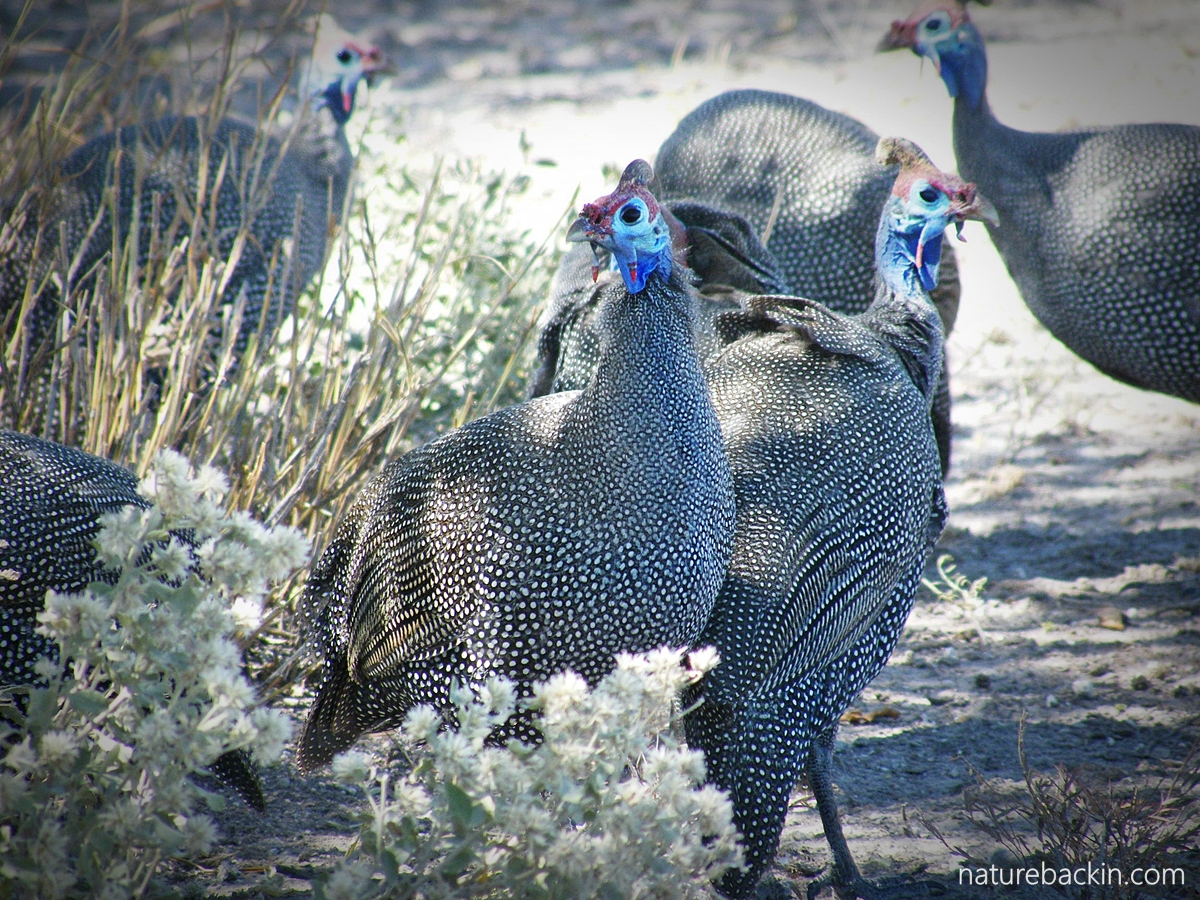
The pearl-spotted feathers, the bony casque adorning the head, and the red and blue facial skin and wattles are distinctive, plus their gregarious habits and noisy calls make the helmeted guineafowl hard to ignore. And, moreover, this species is widespread across sub-Saharan Africa.
Continue reading “Terrestrial birds in southern Africa: Helmeted guineafowls”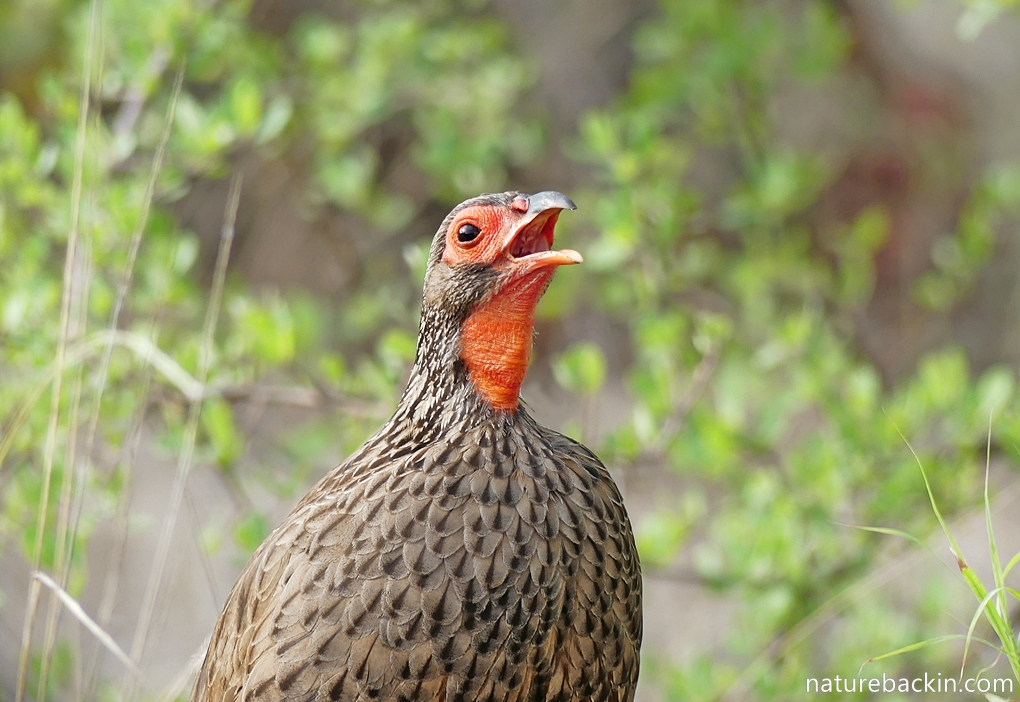
Spurfowls, like francolins, are part of the pheasant family. Their name comes from the tarsal (leg) spurs that are especially evident in the males. All 23 species of spurfowls are endemic to the African continent, with 6 species occurring in southern Africa.
Continue reading “Terrestrial birds: Southern African spurfowls”
Although they are predominantly brown, there is nothing drab about crested francolins plumage. Their intricately patterned plumage serves to provide effective camouflage for these terrestrial birds. They are named for the dark crest on the head, but as that is only occasionally raised the most noticeable feature is the broad white eyestripe.
Continue reading “Terrestrial birds southern Africa: Crested francolin”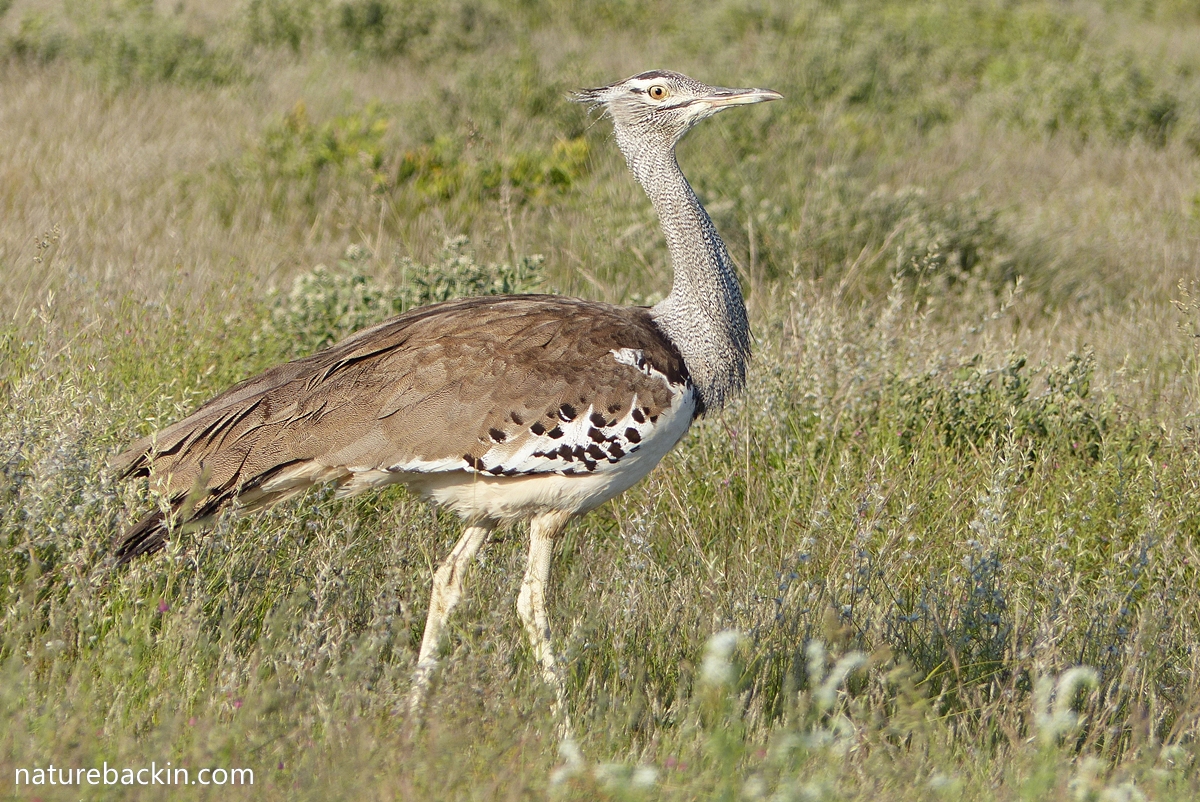
In this second post on terrestrial birds in southern Africa, I share my photos of the tall and stately kori bustards (Ardeotis kori) that inhabit some of our drier regions, where they can be seen walking majestically through open savanna and arid grasslands.
Continue reading “Terrestrial birds in southern Africa: The stately kori bustard”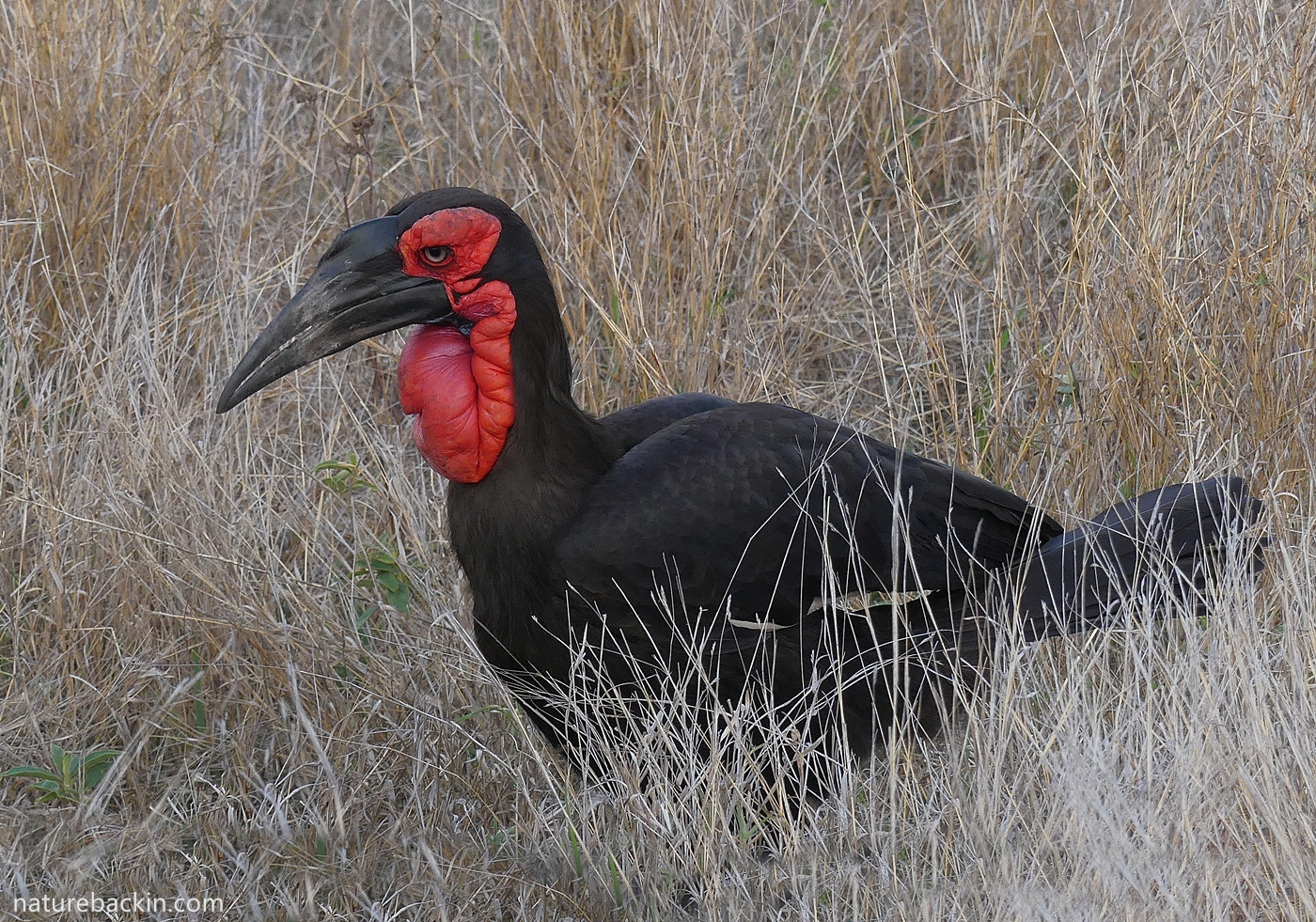
Here is the first in a series of posts on terrestrial birds, defined rather loosely as those species that spend most of their time foraging on the ground, rather than in trees or hunting on the wing. First up is the southern ground hornbill (Bucorvus leadbeateri).
Continue reading “Terrestrial Birds in Southern Africa: Southern Ground Hornbill”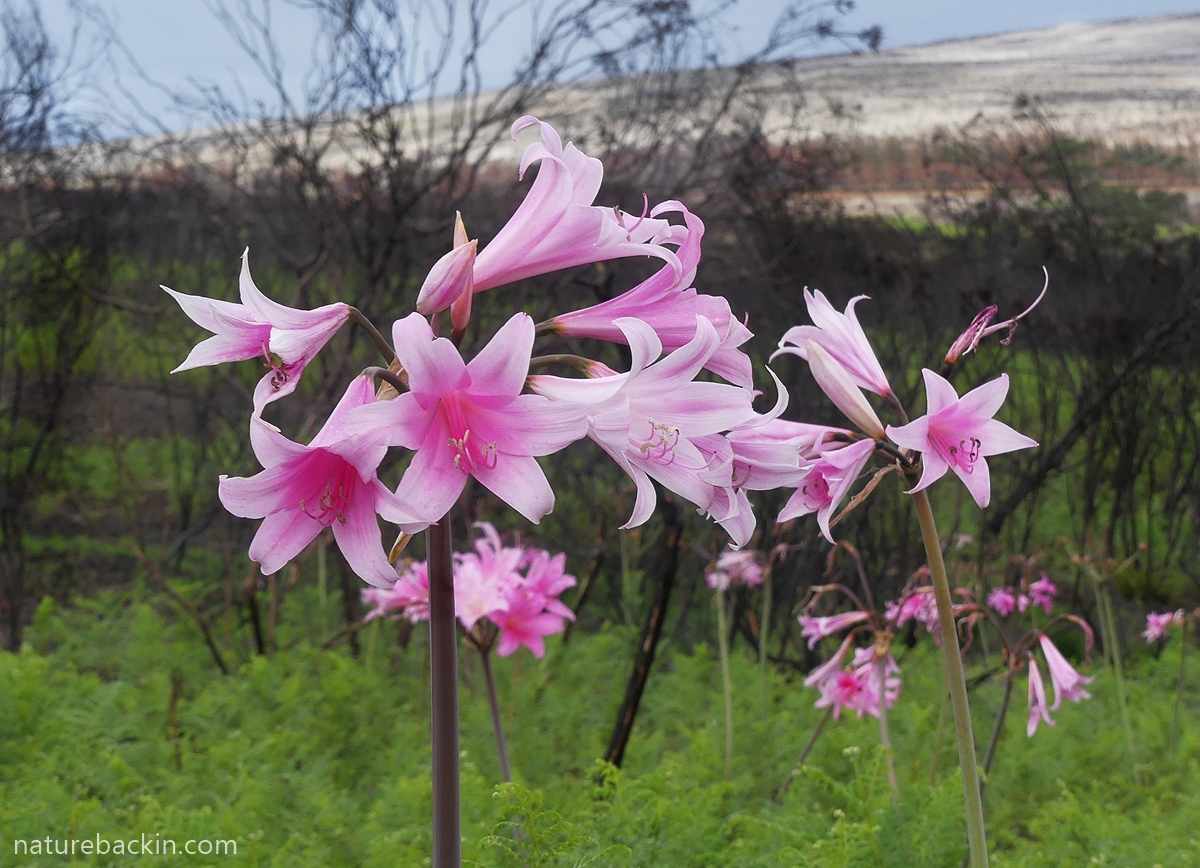
After having relocated over 1000 km (750 miles) to a different climate zone, I have learned that though there are many aspects to moving that I thought I anticipated, it takes time to understand that in some senses one becomes unmoored. Although we relocated within the same country—we semigrated as it is dubbed locally—why should it feel quite so disorientating?
Continue reading “Relocating, fires, loss and renewal”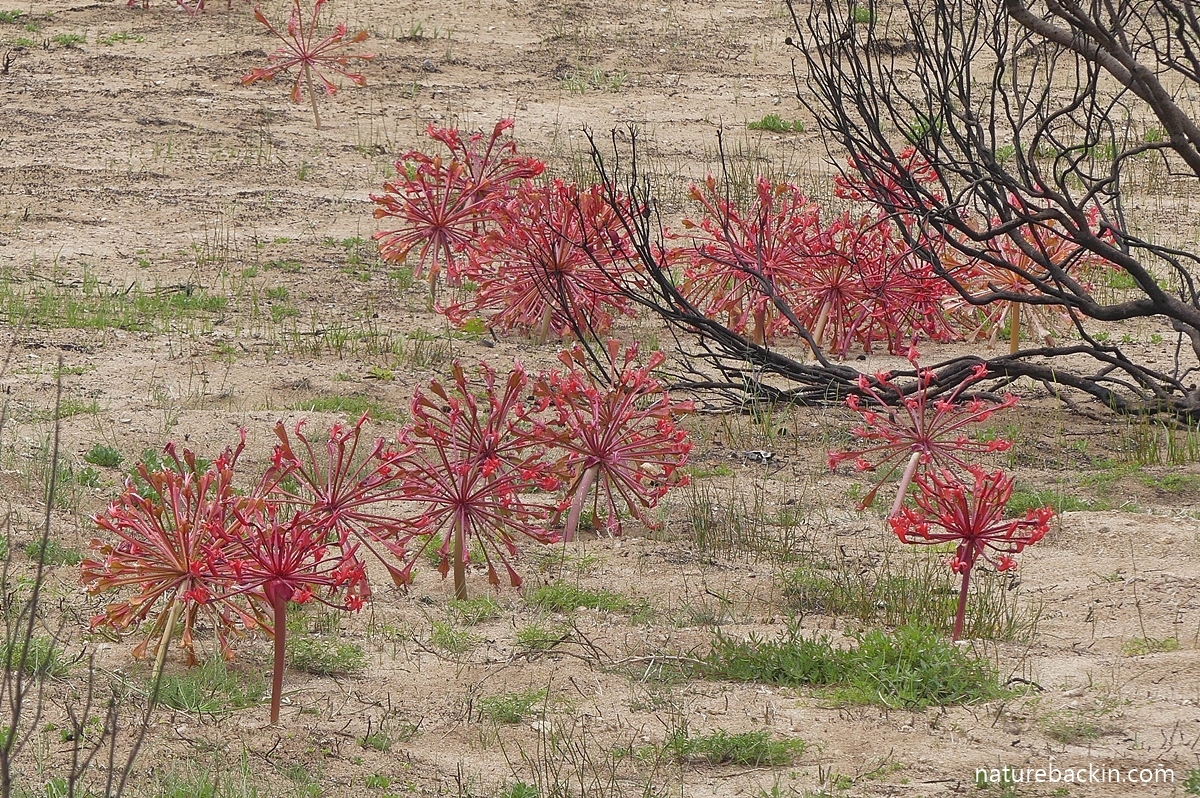
After the recent fires much of the landscape is still barren and bleak. A little rain has coaxed some grasses and resprouters into sparse patches of green, but on the low-lying sandy flats thousands of candelabra lilies (Brunsvigia orientalis) have, almost literally, burst into bloom in an explosion of crimson colour. The sight is even more impressive as little else is flowering.
Continue reading “Candelabra lilies blazing crimson flowers after the fires”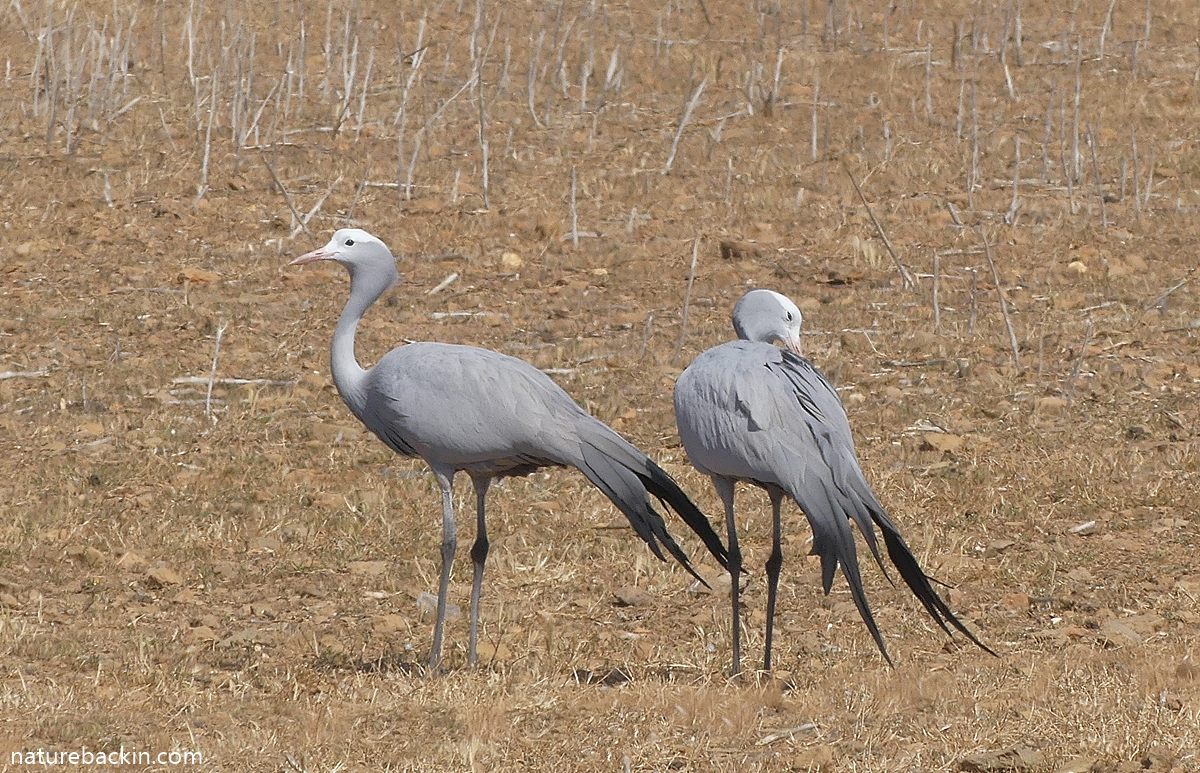
The blue crane is South Africa’s national bird. It is a strikingly beautiful and statuesque bird, standing at up to 1.2 m (4 ft) in height. We are lucky enough to see them flying over our house from time to time, their distinctive calls drawing our attention. But it was only when driving through freshly harvested wheat fields that I had an opportunity to photograph blue cranes as they congregated in large groups.
Continue reading “South Africa’s blue cranes in the croplands of the Overberg”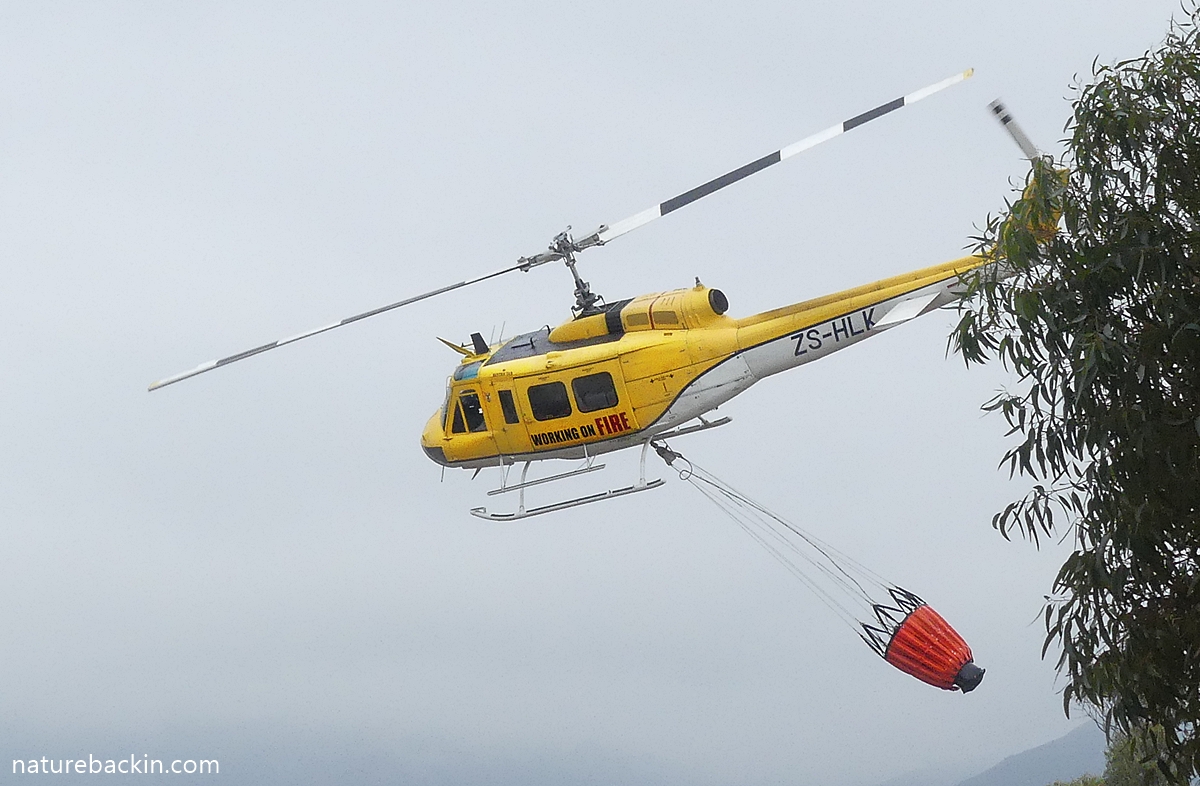
It is a month since the peak of the most recent of the wildfires that raged in our district. Ironically, after the intense heat and dryness, this week a cut-off low weather system brought unseasonal deluges of rain, heavy enough to cause flooding in some communities.
Continue reading “Fire lines: Weeks of wildfires in the Overstrand”