Search

letting nature back in

at home and further afield

Tag

Suburban garden

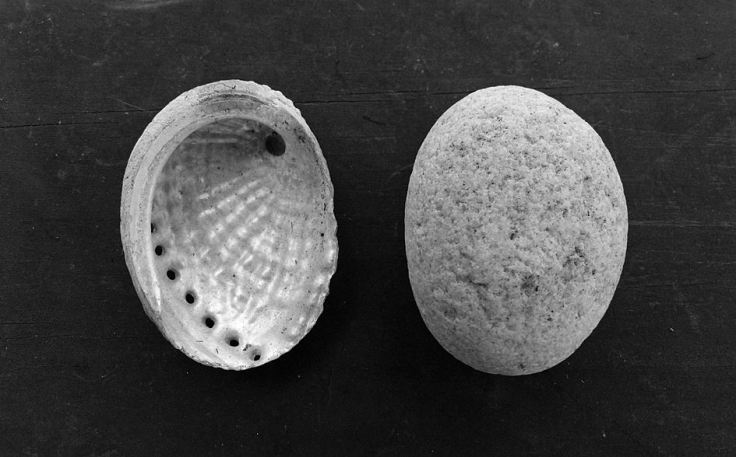
A shell and a pebble

Shell next to a pebble

These two juxtaposed natural but unrelated objects seem appropriate for Cee’s Black & White Photo Challenge for this week, Two different things or the number two. These two objects are among the small collection of found things I keep in my suburban wildlife garden.

Posted by Carol at letting nature back in

Bean on a quest

Having burst out of its seed sheath and pushed up through the surface of the soil, this bean starts its long and arduous journey to maturity – to grow tall and produce flowers that turn to pods bearing seeds. Continue reading “Bean on a quest”

Favourite Garden Birds: Laughing Doves

The name “Laughing Dove” derives from its bubbling call that is said to have a gentle laughing quality. Laughing Doves are thought to be monogamous, with birds pairing for life. Continue reading “Favourite Garden Birds: Laughing Doves”

The cuckoo has landed

Not all cuckoos are brood parasites, but the cuckoos in our area all lay eggs in the nests of other birds and leave the hosts to raise the young. The female cuckoo surreptitiously approaches a host nest and rapidly lays a single egg and also removes another egg from the nest. She will lay 4 to 5 eggs on successive or alternate days in different nests, and most will lay about 20 eggs in total over one breeding season. Continue reading “The cuckoo has landed”

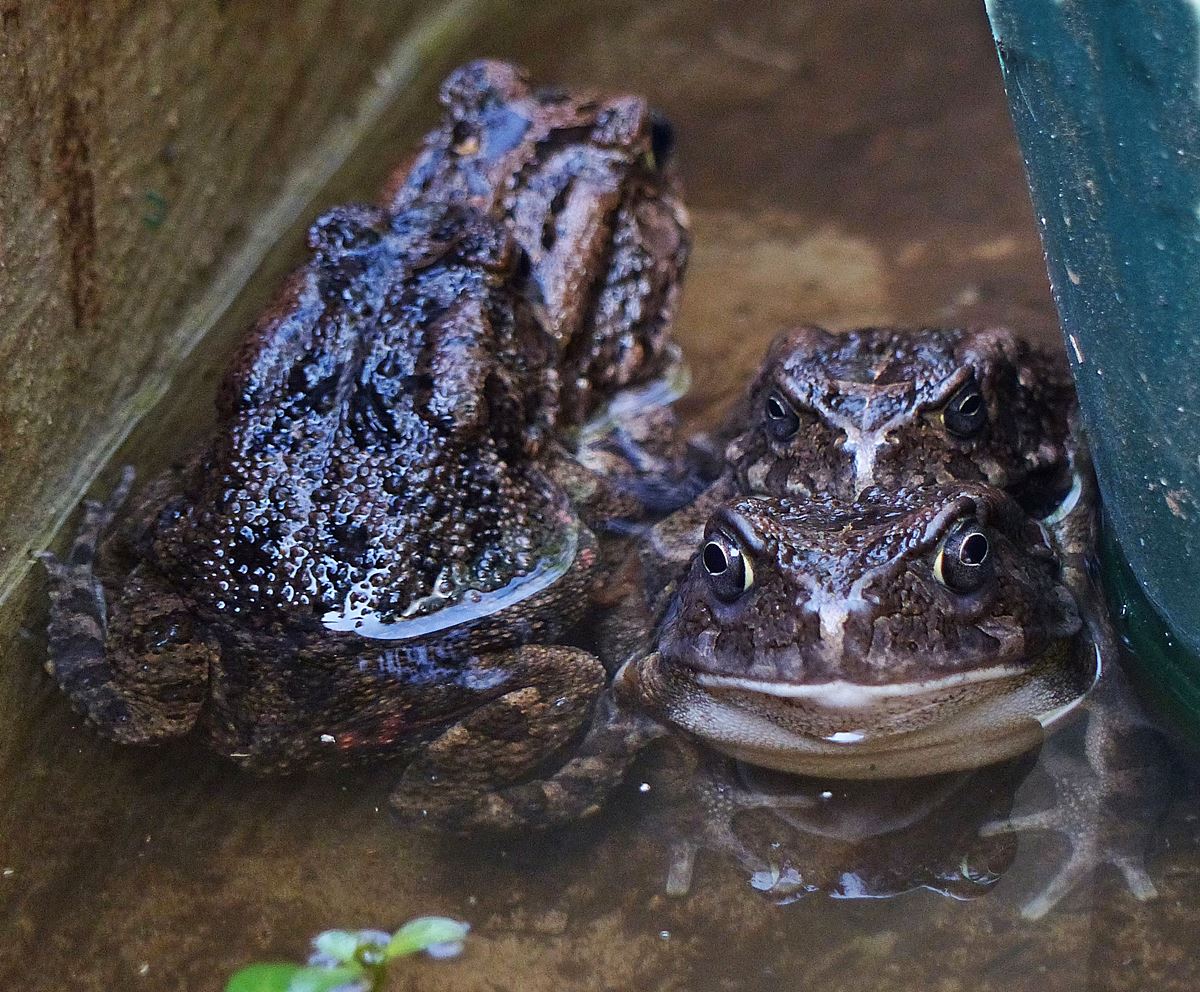
Mirrored pairs of mating guttural toads

Not only do the male and female in each mating pair of guttural toads mirror each other, but the two couples are mirrored “in reverse”. Spring and a welcome shower of rain triggered spawning by guttural toads in our garden pond, despite the water level being low. The deeper areas of the pond are now coiled with long ropes of spawn.

Posted by Carol at letting nature back in

Weekly Photo Challenge – Mirror

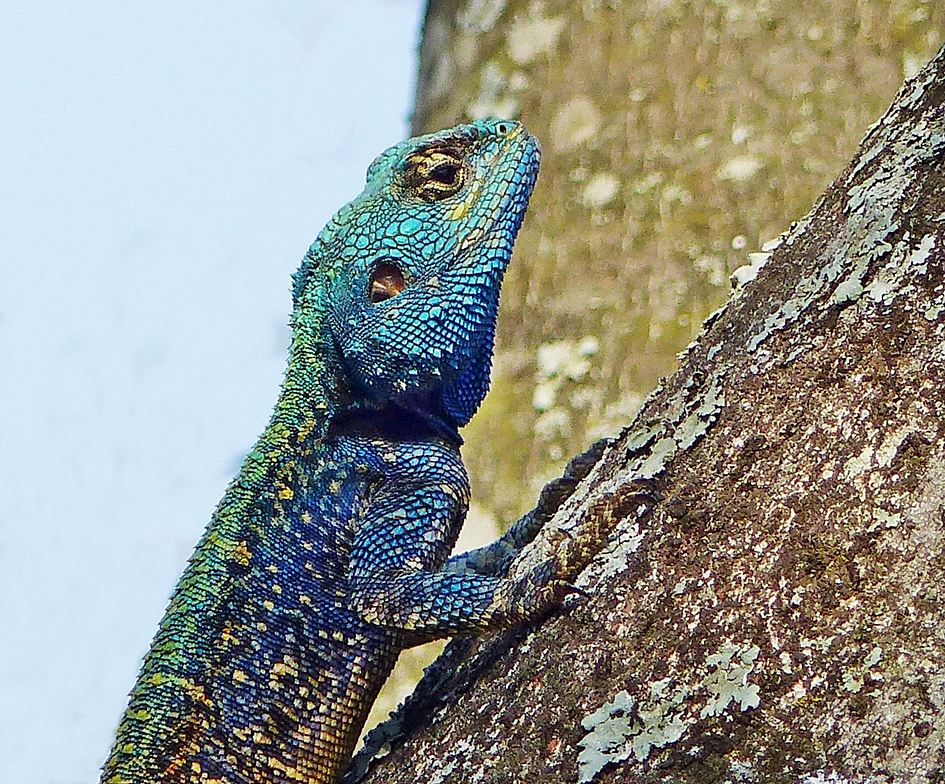
Agamas in the garden

Southern Tree Agamas, commonly known as Blue-headed lizards, have adapted to suburban gardens, especially where there are suitable trees to sustain them. When breeding, the males are colourful and their vividly blue heads are most striking. Non-breeding males and females are considerably less conspicuous although their more understated scaly markings still render them handsome reptiles. Continue reading “Agamas in the garden”

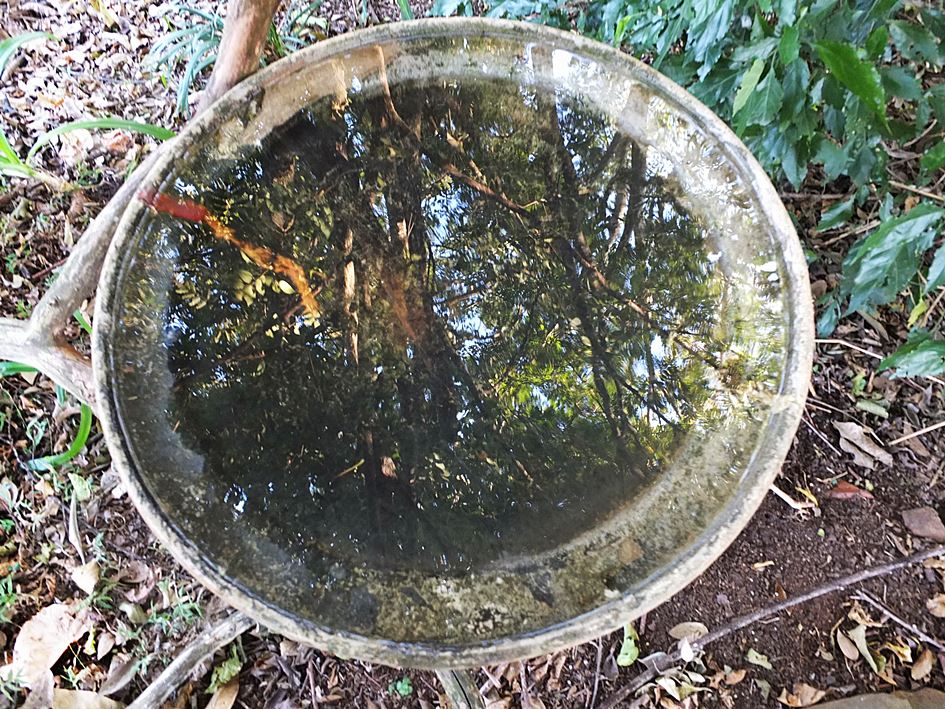
Small circle of calm

In a reflective moment, when the birds are absent, a bird bath frames a small circle of calm.

Posted by Carol at letting nature back in

Weekly Photo Challenge – Frame


Birds just wanna have fun: Birds bathing, drinking and splashing about

Some may think I am being frivolous in attributing human characteristics (aka anthropomorphism) to birds by suggesting that when splashing about, dunking and dipping, birds at our bird baths are enjoying themselves and having fun. Perhaps I need to be reminded that for birds (and everyone else), drinking and regulating body temperature are essential to survival, and it goes without saying that surviving is not about fun. And also, keeping feathers well-groomed improves a bird’s ability to fly, also essential to bird survival. Continue reading “Birds just wanna have fun: Birds bathing, drinking and splashing about”

In the zone: Mackaya bella and its pollinators

Also known as the Forest Bell Bush and as River Bells, the Mackaya bella is a popular shrubby plant, not only because of its beautiful flowers, but also because it grows well in shade or semi-shade. It is easy to propagate from cuttings and it also self-seeds, so if you have one, look out for baby seedlings to transplant. It is endemic to southern Africa and its wood has been used to make fire by friction (Pooley, 1997).   Continue reading “In the zone: Mackaya bella and its pollinators”

Blog at WordPress.com.

Up ↑