
Receding waters at low tide reveal sea life in the lee of onshore reefs and in shallow rock pools. Snorkeling along reefs in even shallow water reveals a dazzling display, and rock pools too provide insights into subaquatic worlds within worlds. Continue reading “The intertidal zone: Pooled assets”

Guttural Toads and other frogs have been galvanised into springtime activity by sprinklings of early season rain. The males have been calling for mates culminating in pairs spawning in our pond. Continue reading “The time of the season: Guttural toads go a-courting”

Butterflies are widely appreciated for their beauty and their fleetness on the wing, as much as they are associated with transformation, hope, joy and love. Continue reading “Butterflies – Reasons to be cheerful”
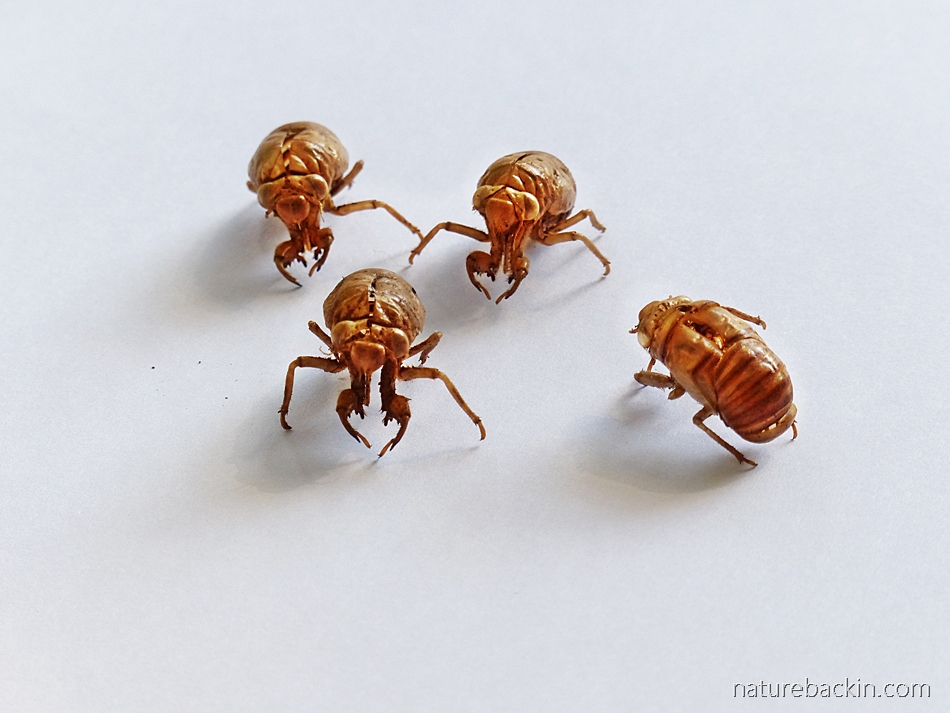
Cicadas are best known by the loud high-pitched sound adult male cicadas make mostly during the months of summer. Even though they are loud they are hard to locate and so well camouflaged they are difficult to spot, and typically we only see cicadas that have accidentally bumbled indoors. But sometimes we may come across exoskeletons left behind by cicada nymphs at the time of their last moult into their winged adult form. Continue reading “Skeletons in the garden Pt 1: Terracotta cicadas”
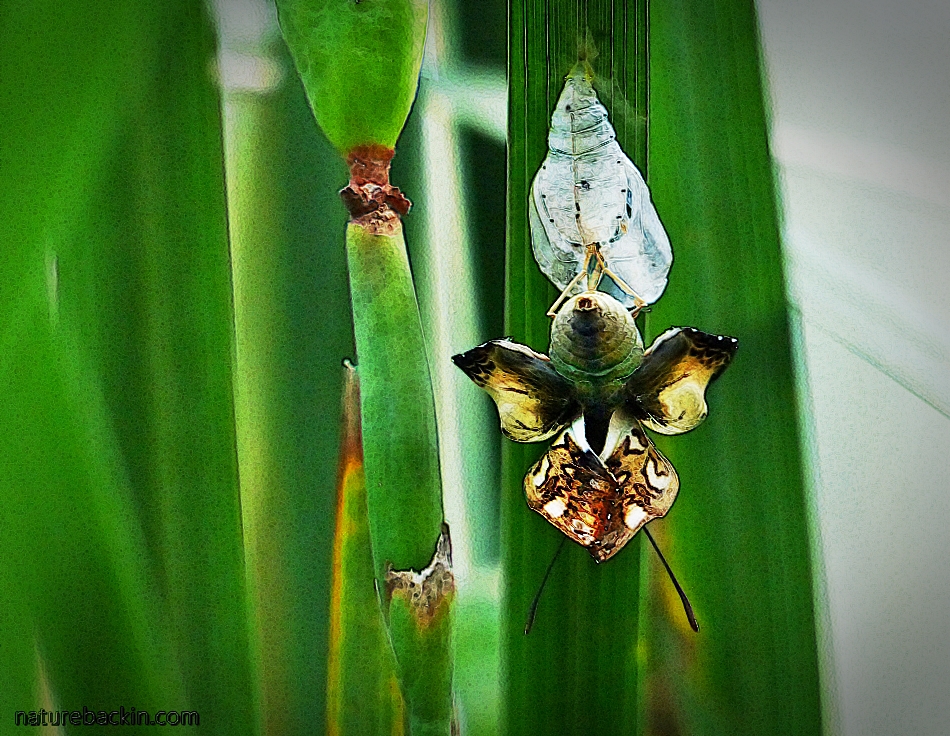
To see a butterfly emerging from the pupa to uncurl and spread its wings is akin to watching a miracle. Following on from last week’s post, here is my record of what might be a once-in-a-lifetime experience: witnessing individual butterflies emerge from the pupa (chrysalis). Continue reading “Watching butterflies emerging and getting ready to fly”
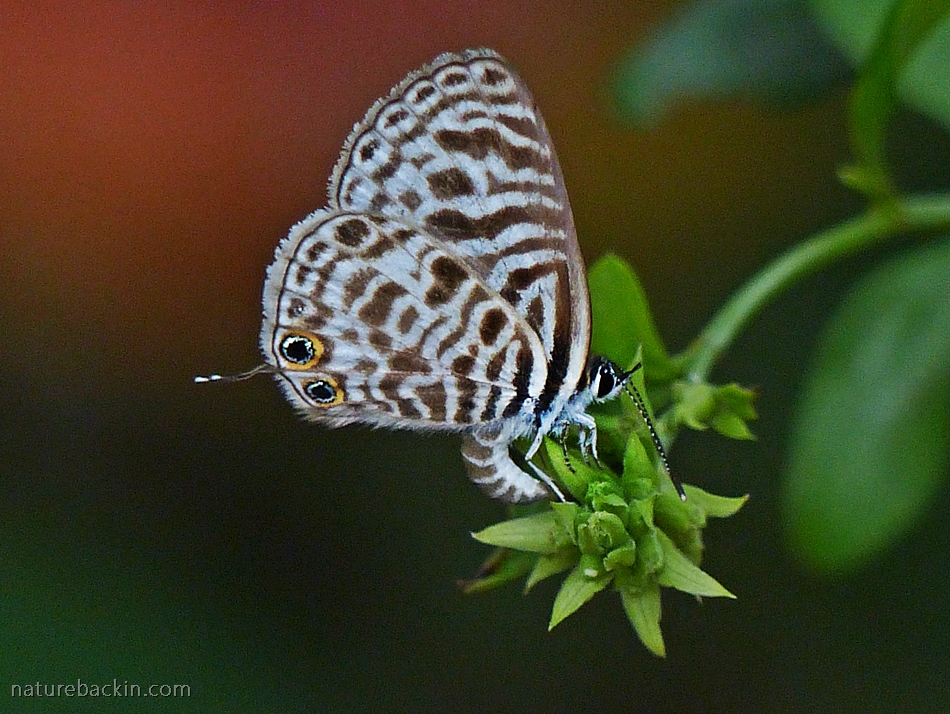
Members of a subfamily of gossamer-winged butterflies known as “the blues” are common in our garden. It is only when they open their wings that their blue colouration is revealed. Although these butterflies are small – in the region of about one inch across from wingtip to wingtip – their markings can be intricately detailed. Continue reading “The blues is alright: Butterflies and flowers”
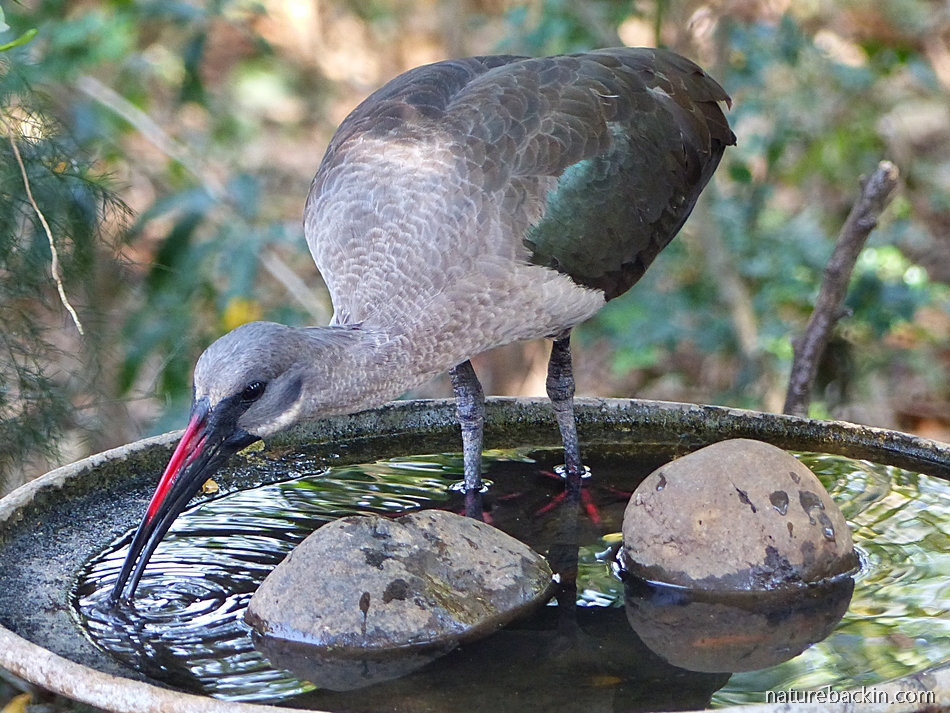
From being primarily associated with wetlands and woodlands the hadeda ibis has successfully expanded its range across much of the country even where it was formerly absent, and nowadays populations flourish even in urban areas. In suburbia it continues its association with water in the form of well-watered lawns, ponds and swimming pools. Continue reading “Hadeda ibis: From wetlands to birdbaths”

Who, who’s watching who? A young vervet monkey watched me, matching my curiosity as I watched back. Continue reading “Weekly Photo Find: Primate watching”
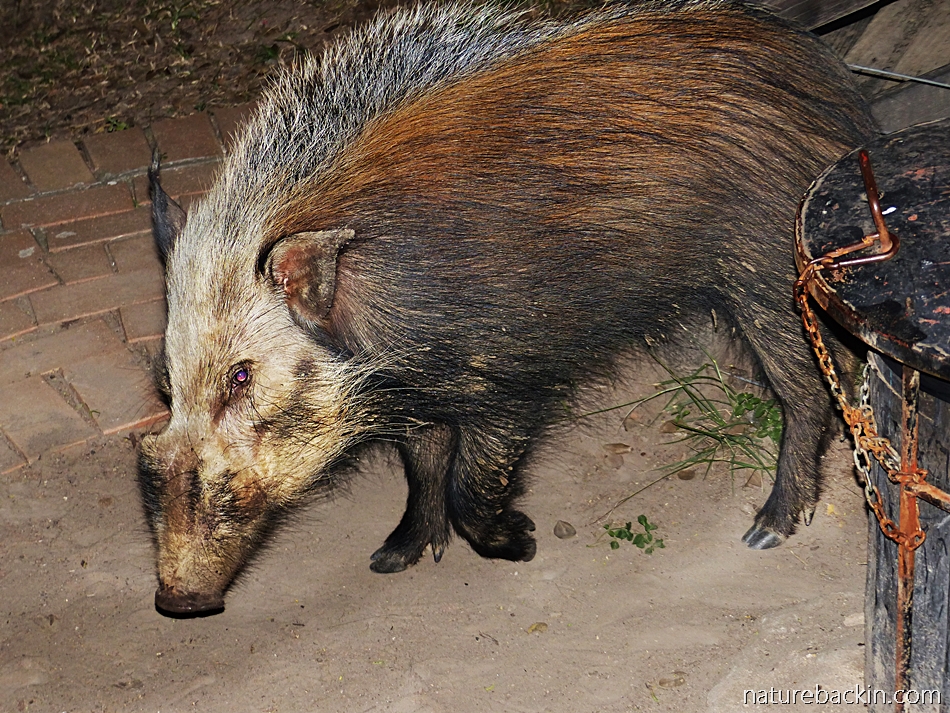
A family of bushpigs were intriguing nocturnal visitors to our camp on our recent trip to KwaZulu-Natal’s Hluhluwe-iMfolozi Park. At first two females and a baby snuffled around amiably. It was only when the big male arrived that we realised the real reason for their visit. Continue reading “Campsite visitors: Bushpigs and other animals”
