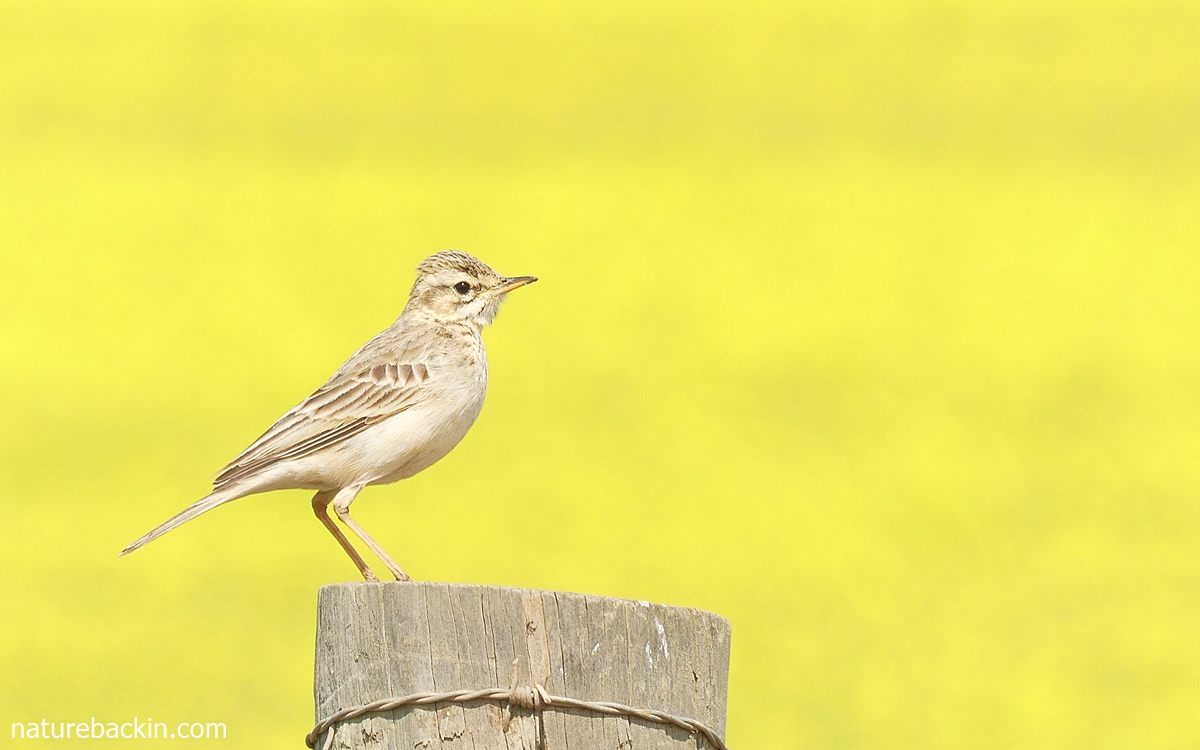
A September outing took us up a farm road, offering a spot of birdwatching, and then past the Sugarbird Nature Reserve that was rich with flowers as the vegetation regenerated after a previous fire.
Continue reading “Springtime in the Overberg, Part 2: Feathers, farmlands and flowers”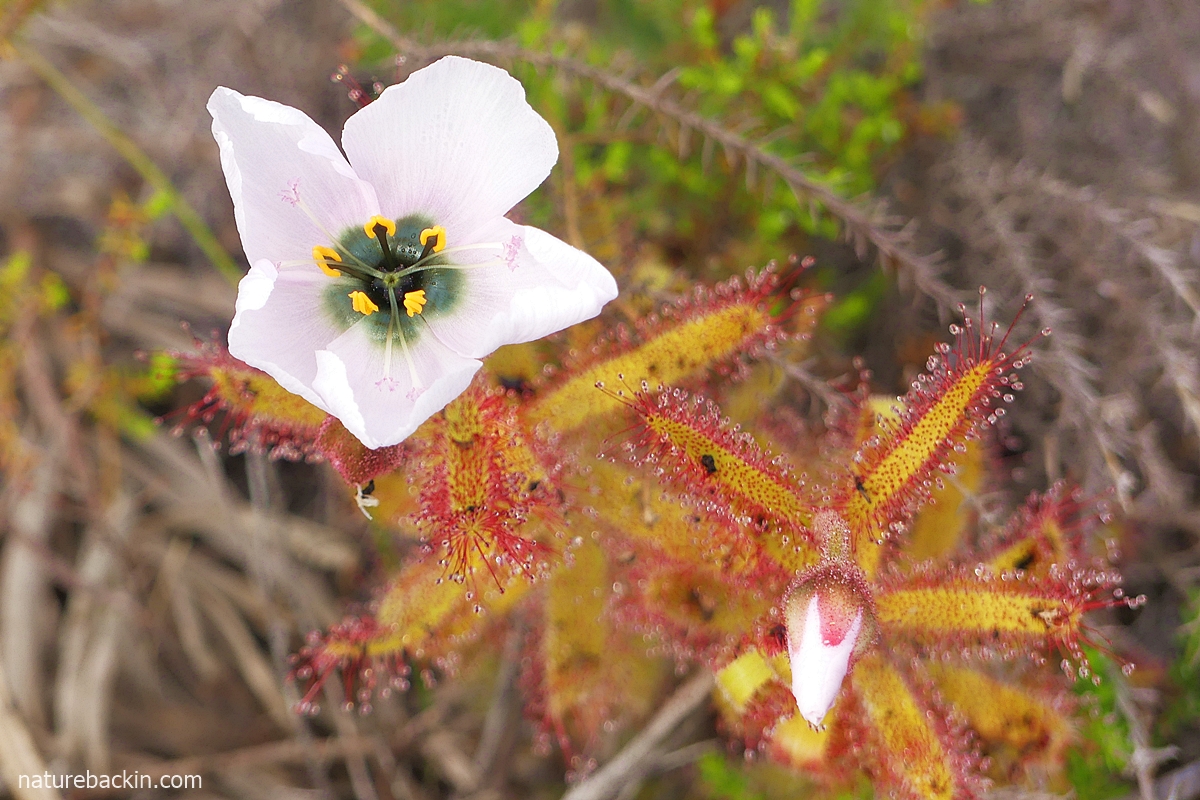
Two outings in September exposed us to an array of spring flowers spiced with a sprinkling of birds seen on farm roads and nature reserves in the Overstrand area of the Overberg in the Western Cape.
Continue reading “Springtime in the Overberg: Some fynbos flowers (and shaggy monkey beetles)”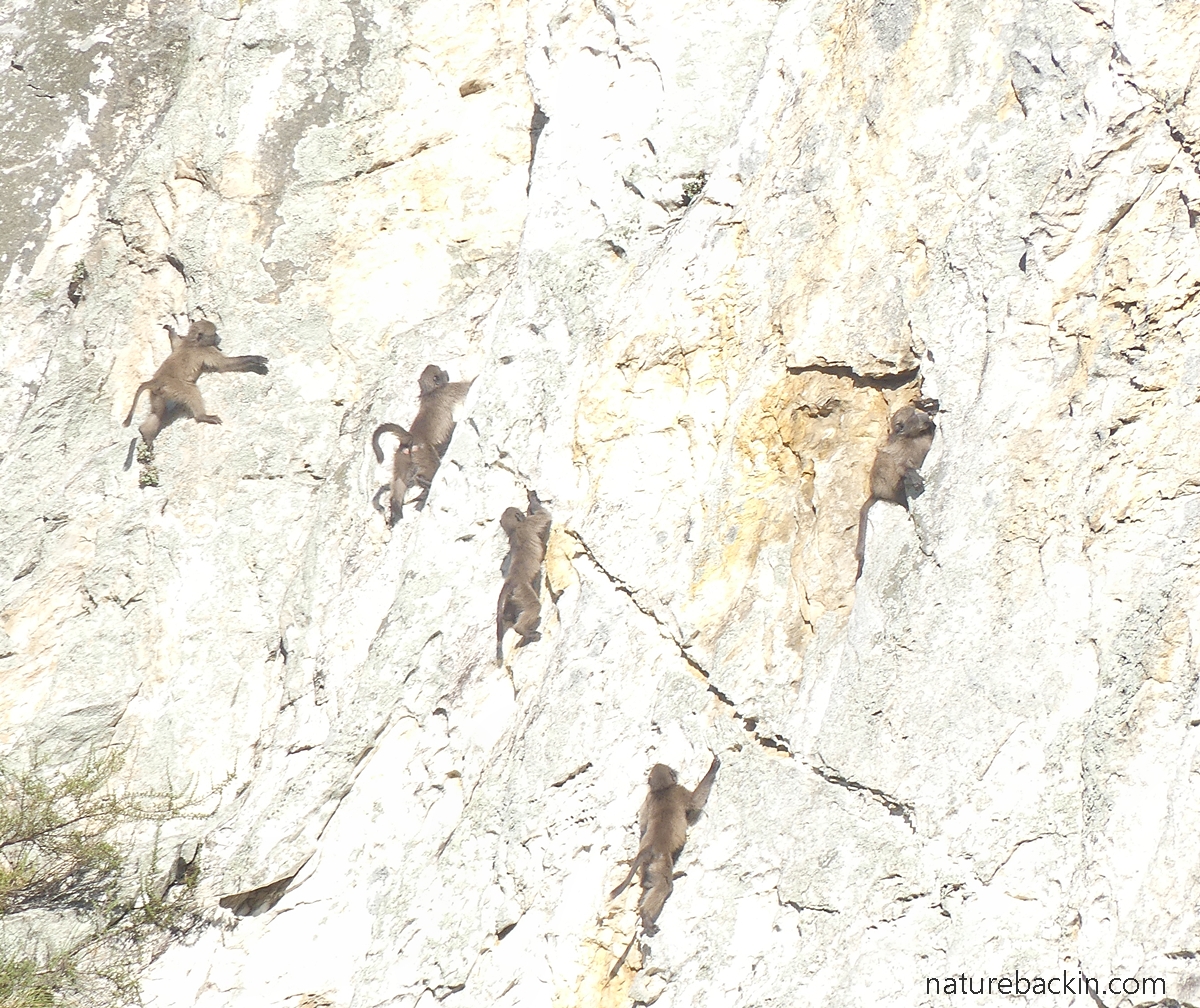
One morning in April we went walking in the Phillipskop Mountain Reserve, which is not far from Stanford in the Overberg. A highlight turned out to be watching chacma baboons climbing a rock face after they emerged from a large cave.
Continue reading “A mountain walk and baboons climbing at Phillipskop Mountain Reserve”
A day trip to the De Hoop Nature Reserve could not possibly do justice to its wonders from the high sand dunes near the coast to the mountains on its inland side, its endangered lowland fynbos vegetation and the 12 km-long (7,5 miles) vlei (lake) that is rich with waterbirds. Plus, its rocky shoreline adjoins a marine protected area in the Indian Ocean. De Hoop, home to Cape Nature’s Whale Trail, offers remarkable land-based whale watching opportunities from June to September each year.
Continue reading “Day trip to De Hoop Nature Reserve in the Overberg”
Aquatic biomes include both freshwater and marine biomes. The marine biome is divided into three main ecosystems: the oceans, coral reefs and estuaries. South Africa has a coastline that is over 3000 kilometres in length and it features coral reefs on its eastern coastline and numerous estuaries along its length.
Continue reading “Looking out to sea: The shoreline, the estuaries and the coral reefs”