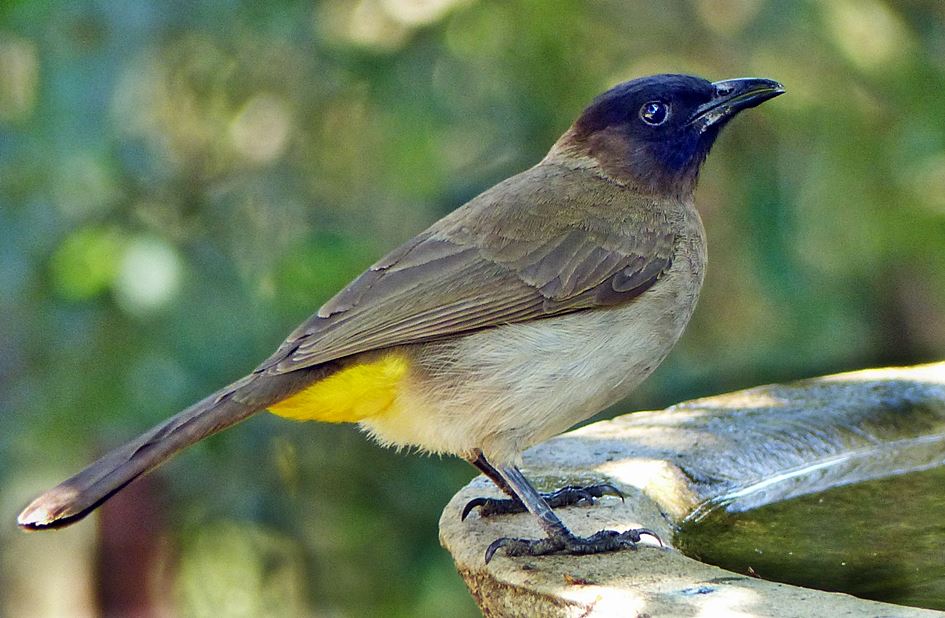
Birds that are common in suburban gardens bring life and liveliness that we sometimes take for granted. This is the first in a series of posts on favourite birds: familiarity breeds respect! Continue reading “Favourite garden birds to cherish: Dark-capped Bulbul (aka Toppie)”

The meaning of the word “seedy” has come to be associated with being unkempt or shabby, rather than being fruitful or abundant, which was the original meaning of the word, according to the Online Etymology Dictionary. We speak disparagingly of having “gone to seed”, and admiringly of being “in the flower of youth”. Perhaps this comes from the school of thinking that life is linear, rather than the tradition of thinking in terms cycles of life. Continue reading “Celebrating seediness”
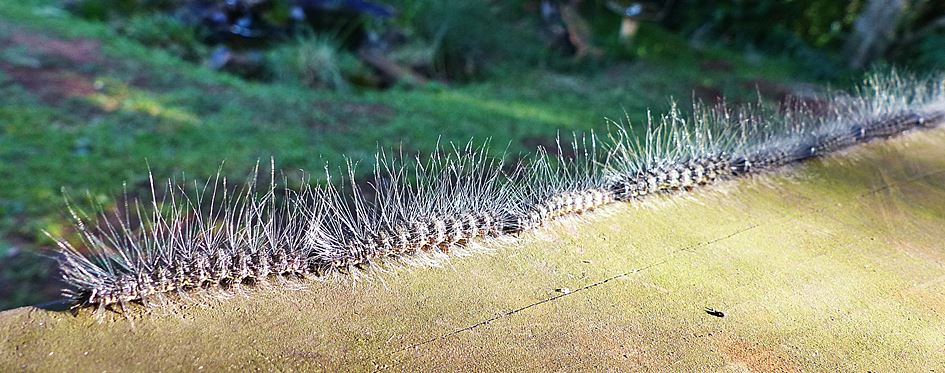
Each autumn, dozens of hairy caterpillars congregate on the Cross-berry trees in our garden. These caterpillars are the larvae of the moth named Reticulate Bagnet (Anaphe reticulata). They become conspicuous not only because they congregate in groups on tree trunks and even on plant pots, but they are also noticeable for following each other head to tail in long single-file trails, hence the collective name for this type of caterpillar: processionary caterpillar.
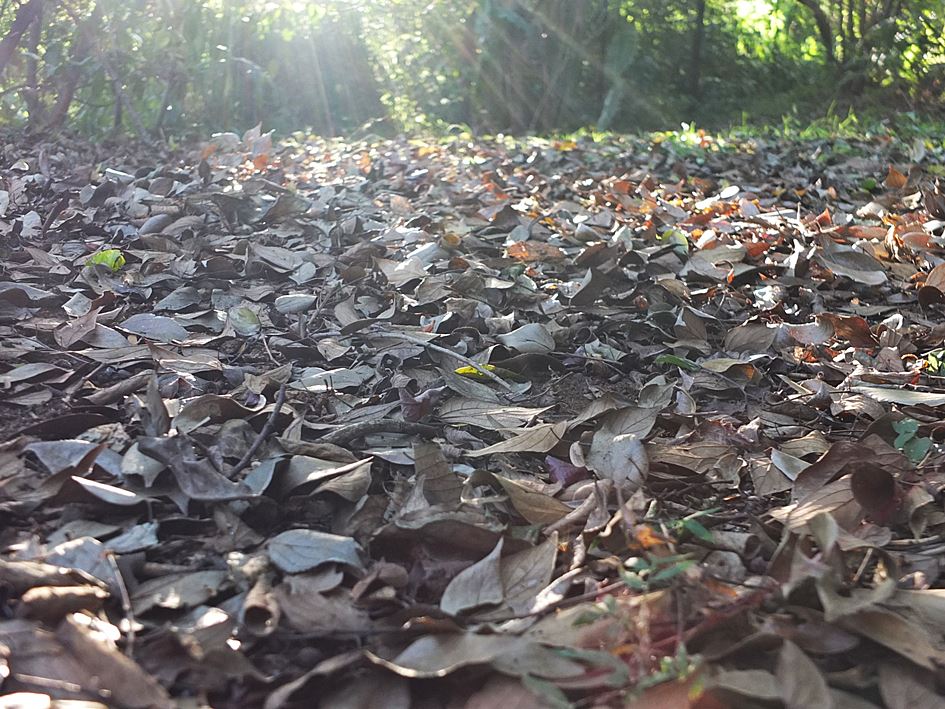
Leaves are sometimes called the food factories of green plants. In the complex process of photosynthesis, leaves absorb sunlight and this energy is used to convert carbon dioxide and water into sugars and oxygen gas. Not only does this process provide food for the plant itself, but ultimately supports all life on Earth. The nutrients in plants and the oxygen gas released by plants are the basis of the food that we eat and the air that we breathe.
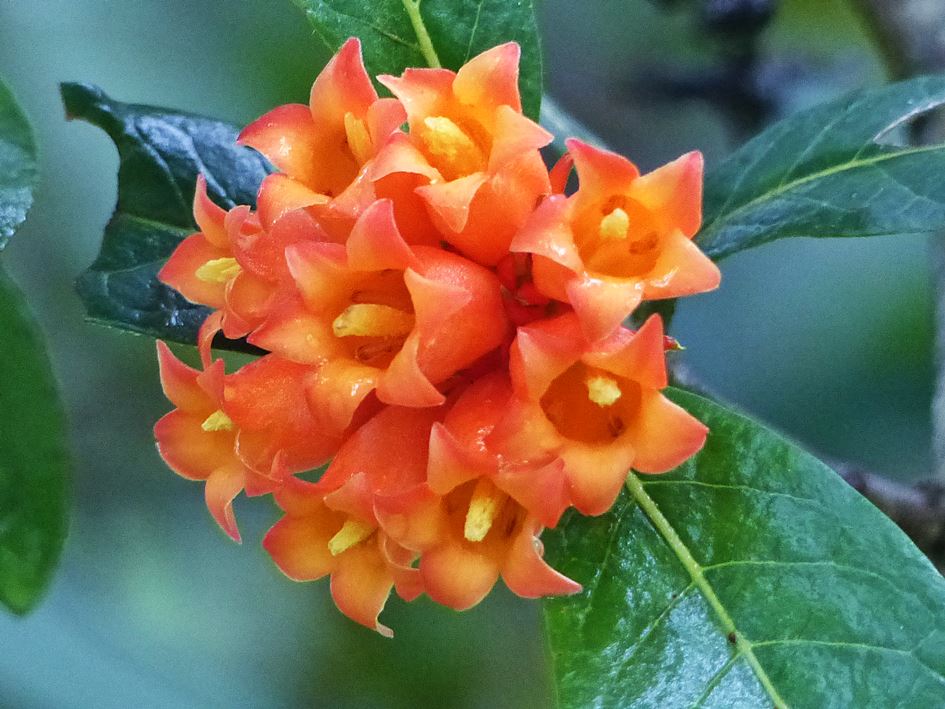
A favourite with humans and birds, this slow-growing shrubby plant is evergreen, dense, has beautiful orange trumpet flowers clustered in little posies, and it doesn’t grow too tall. It is perfect for any size garden, doesn’t need managing or pruning, just a sunny or partially shaded spot to do its thing. ★

This blog celebrates the creatures, birds and plants – the inhabitants and survivors that continue to enrich suburban spaces and the lives of the humans who are fortunate enough to live there too. It also celebrates people who care and highlights practical activities and information on wildlife-friendly gardens. It features images taken in my own garden reflecting that there is still life in suburban spaces, and it reflects on sustainable approaches to gardening and housekeeping. Continue reading “Why this blog?”
