Search

letting nature back in

at home and further afield

Favourite Garden Birds: Laughing Doves

The name “Laughing Dove” derives from its bubbling call that is said to have a gentle laughing quality. Laughing Doves are thought to be monogamous, with birds pairing for life. Continue reading “Favourite Garden Birds: Laughing Doves”

September: Flower Portrait

Capturing the beauty of a single bloom is the theme for the Garden Photography Challenge for September. In response to the request from Jude to showcase a flower that you are particularly fond of or one that is unusual, here is my photo of a single flower of the Barringtonia racemosa, often referred to as the Powderpuff tree, for obvious reasons. In South Africa, this tree occurs naturally along the edges of coastal swamps, estuaries and rivers on the eastern seaboard of KwaZulu-Natal and north into Mozambique.   Continue reading “September: Flower Portrait”

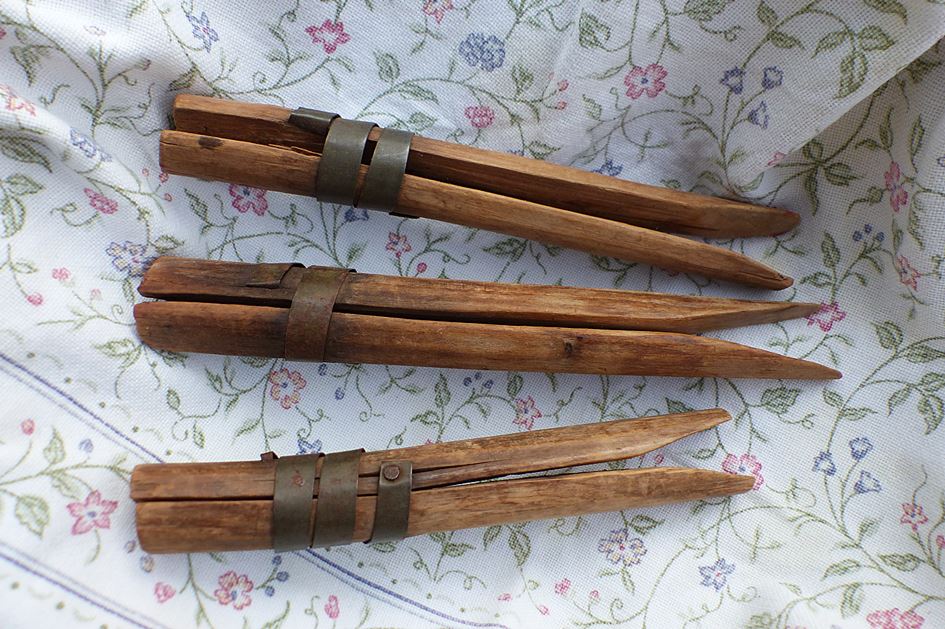
Gypsy clothes pegs

I inherited these clothes pegs from my British grandmother. She lived in a village in the Wye River valley in Herefordshire and she bought these handmade pegs from Gypsies who sold them door to door. It is likely that she bought these in the 1930s before the war, or should I say between the wars, the two World Wars that is. Continue reading “Gypsy clothes pegs”

The cuckoo has landed

Not all cuckoos are brood parasites, but the cuckoos in our area all lay eggs in the nests of other birds and leave the hosts to raise the young. The female cuckoo surreptitiously approaches a host nest and rapidly lays a single egg and also removes another egg from the nest. She will lay 4 to 5 eggs on successive or alternate days in different nests, and most will lay about 20 eggs in total over one breeding season. Continue reading “The cuckoo has landed”

Caterpillar over the edge!

Almost the point of no return over this sharp edge for this caterpillar. No it did not plummet into the abyss. After a rather hairy moment wavering over the edge, it had enough legs to hang on as it turned around to safety. I don’t know the ID of this extravagantly hairy little guy, so if anyone does, I’d be glad to know what it is.

Posted by Carol at letting nature back in

Weekly Photo Challenge – Edge

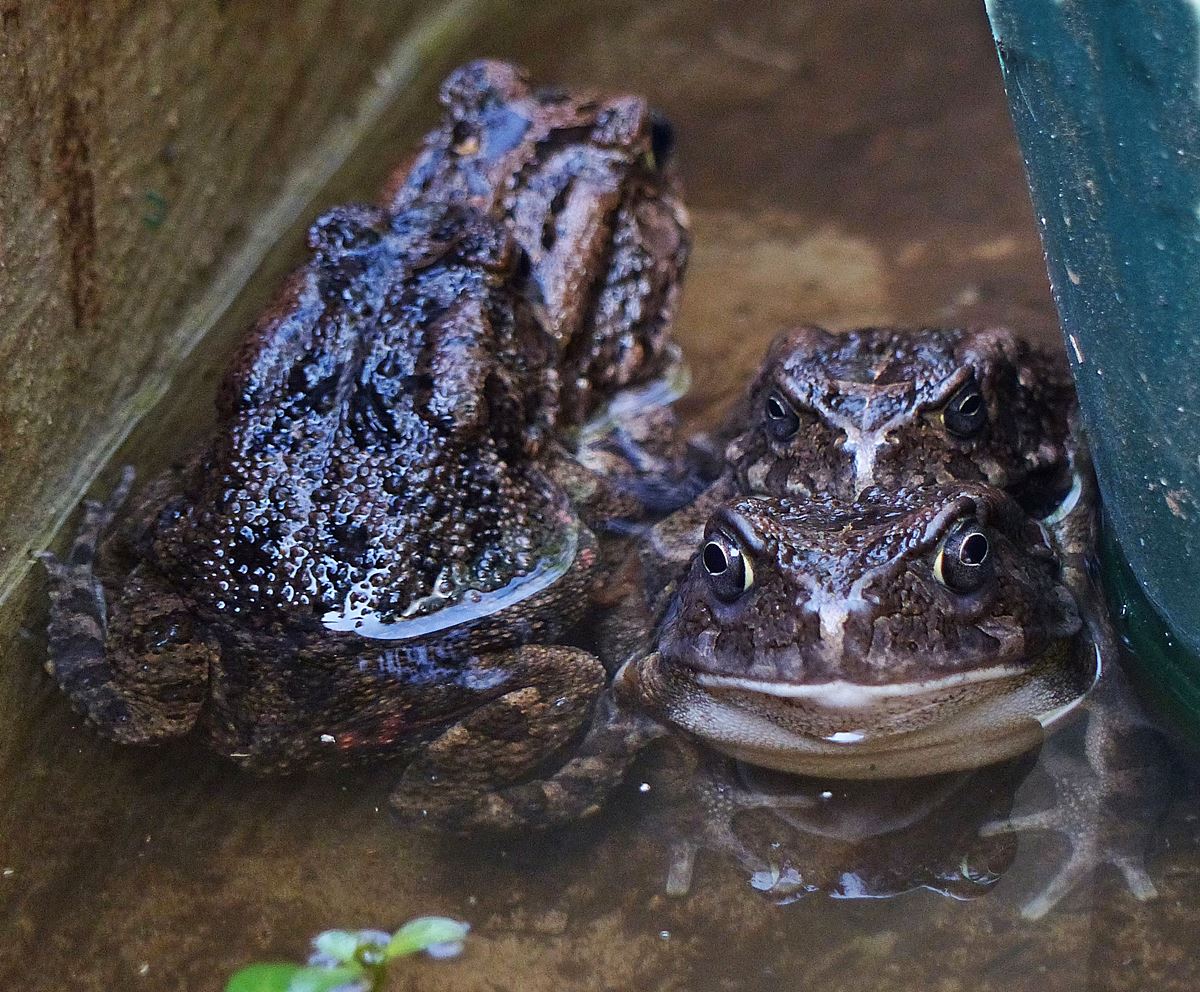
Mirrored pairs of mating guttural toads

Not only do the male and female in each mating pair of guttural toads mirror each other, but the two couples are mirrored “in reverse”. Spring and a welcome shower of rain triggered spawning by guttural toads in our garden pond, despite the water level being low. The deeper areas of the pond are now coiled with long ropes of spawn.

Posted by Carol at letting nature back in

Weekly Photo Challenge – Mirror

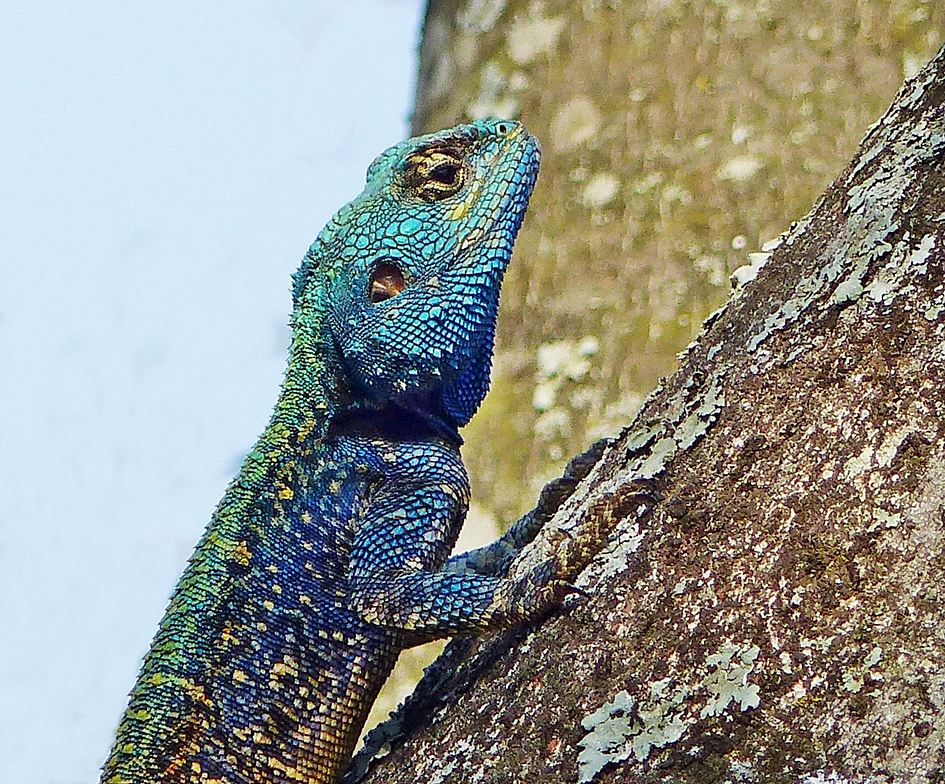
Agamas in the garden

Southern Tree Agamas, commonly known as Blue-headed lizards, have adapted to suburban gardens, especially where there are suitable trees to sustain them. When breeding, the males are colourful and their vividly blue heads are most striking. Non-breeding males and females are considerably less conspicuous although their more understated scaly markings still render them handsome reptiles. Continue reading “Agamas in the garden”

Small circle of calm

In a reflective moment, when the birds are absent, a bird bath frames a small circle of calm.

Posted by Carol at letting nature back in

Weekly Photo Challenge – Frame


Birds just wanna have fun: Birds bathing, drinking and splashing about

Some may think I am being frivolous in attributing human characteristics (aka anthropomorphism) to birds by suggesting that when splashing about, dunking and dipping, birds at our bird baths are enjoying themselves and having fun. Perhaps I need to be reminded that for birds (and everyone else), drinking and regulating body temperature are essential to survival, and it goes without saying that surviving is not about fun. And also, keeping feathers well-groomed improves a bird’s ability to fly, also essential to bird survival. Continue reading “Birds just wanna have fun: Birds bathing, drinking and splashing about”

Blog at WordPress.com.

Up ↑