
Not all Kingfishers catch fish, as can be seen in this photo of a Brownhooded Kingfisher. Rather than a fish, he has just caught a cricket. This Kingfisher hunts by sitting on a low perch, in this case our garden fence, watching the ground for potential prey. Continue reading “Brownhooded Kingfisher: The art of hunting by sitting still”

Nostalgia at its most sentimental is encapsulated by the old-fashioned little flower the pansy, a flower hybridised from wild violas. This picture is of pansies in our vegetable patch, glowing warmly in the light of the late afternoon sun. Continue reading “Nostalgia = Pansies”
 There is a place for a vegetable patch in any suburban garden, including wildlife-friendly gardens. Letting nature back in can include growing food plants and letting nature into your kitchen. In keeping with my rather laissez-faire attitude to gardening, we stick with herbs and vegetables that are relatively easy to grow and suited to the local climate and soils. Continue reading “Letting nature back in via a kitchen garden”
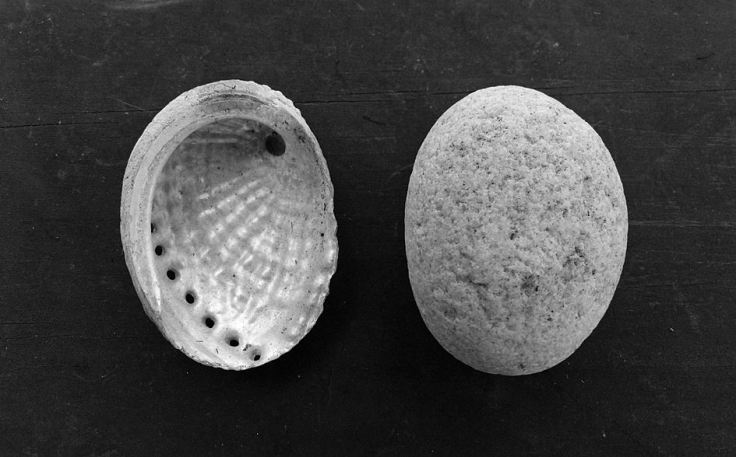
These two juxtaposed natural but unrelated objects seem appropriate for Cee’s Black & White Photo Challenge for this week, Two different things or the number two. These two objects are among the small collection of found things I keep in my suburban wildlife garden. ★
Posted by Carol at letting nature back in

Having burst out of its seed sheath and pushed up through the surface of the soil, this bean starts its long and arduous journey to maturity – to grow tall and produce flowers that turn to pods bearing seeds. Continue reading “Bean on a quest”

The name “Laughing Dove” derives from its bubbling call that is said to have a gentle laughing quality. Laughing Doves are thought to be monogamous, with birds pairing for life. Continue reading “Favourite Garden Birds: Laughing Doves”

Capturing the beauty of a single bloom is the theme for the Garden Photography Challenge for September. In response to the request from Jude to showcase a flower that you are particularly fond of or one that is unusual, here is my photo of a single flower of the Barringtonia racemosa, often referred to as the Powderpuff tree, for obvious reasons. In South Africa, this tree occurs naturally along the edges of coastal swamps, estuaries and rivers on the eastern seaboard of KwaZulu-Natal and north into Mozambique. Continue reading “September: Flower Portrait”
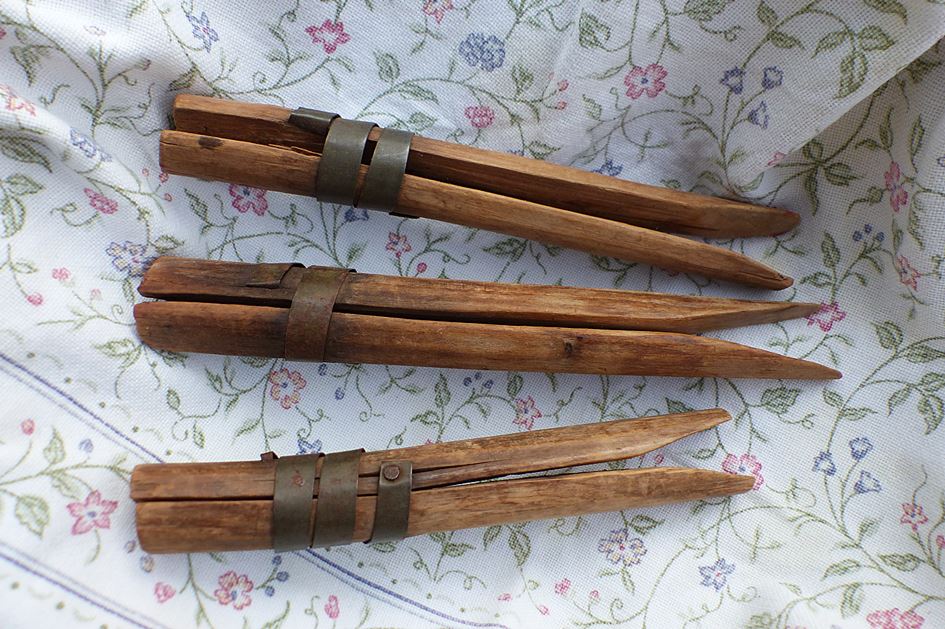
I inherited these clothes pegs from my British grandmother. She lived in a village in the Wye River valley in Herefordshire and she bought these handmade pegs from Gypsies who sold them door to door. It is likely that she bought these in the 1930s before the war, or should I say between the wars, the two World Wars that is. Continue reading “Gypsy clothes pegs”

Not all cuckoos are brood parasites, but the cuckoos in our area all lay eggs in the nests of other birds and leave the hosts to raise the young. The female cuckoo surreptitiously approaches a host nest and rapidly lays a single egg and also removes another egg from the nest. She will lay 4 to 5 eggs on successive or alternate days in different nests, and most will lay about 20 eggs in total over one breeding season. Continue reading “The cuckoo has landed”
