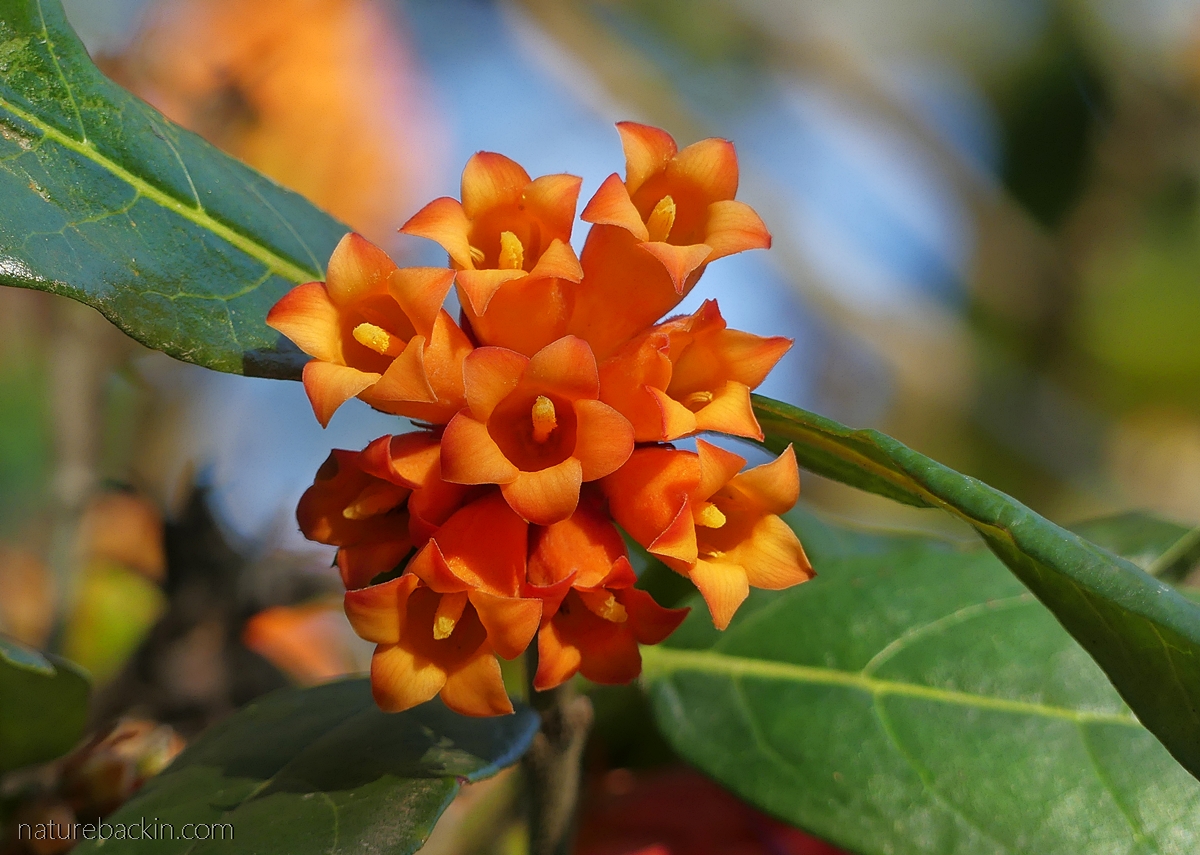
Spring rains are falling in our region at least and we are being treated to spring flowers blooming, new leaves unfurling and vegetation generally greening up. So here is a quick share of some of the spring flowers gracing our garden.
Continue reading “Floral treats in the spring garden”
A post on the Ashburton Aloe Festival back in July 2017 (Aloes and gardens, samangos and forests) featured a small potted Aloe ferox (bitter aloe) that we bought at the festival. I said then I might post an update on its progress – so here it is as this winter it flowered for the first time.
Continue reading “First flowering of an Aloe ferox”
This week in the aftermath of the widespread looting and destruction across much of KwaZulu-Natal and parts of Gauteng I have few words. Although a semblance of calm might seem to prevail and road delivery routes are opening up, suffering and bereavement, sadness and pain, loss and fear, anger and resentment remain.
Continue reading “Wordless in the aftermath: KwaZulu-Natal July 2021”
The variety in shape, form and colour of the fungi that fruit in our garden, usually during the wet and warmth of summer, is incredible. In addition to the mushroom/toadstool forms that were featured in last week’s post, some other forms of fungi include bracket, crust, puffball, bird’s nest, earthstar, stinkhorn, coral, jelly ears, saddle and cup.
Continue reading “Fungilorious: Four trees hosting fabulous fungi”
To my amazement, not everyone with gardens is delighted to find mushrooms and toadstools growing there. Of course many fungi are in gardens anyway, but they are usually unseen until circumstances are right for some species to seemingly spontaneously erupt into fruiting.
Continue reading “Mushrooms and toadstools in our garden”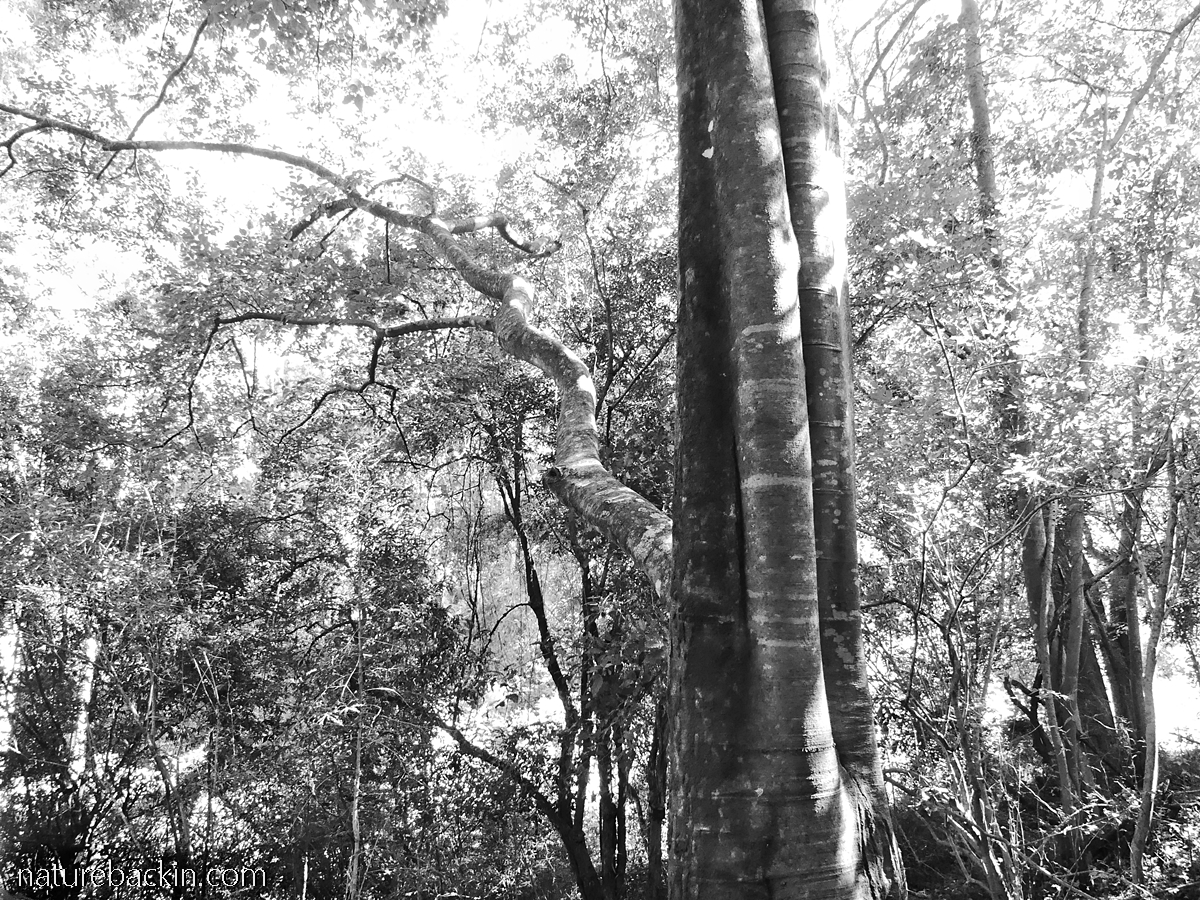
Forests and woodlands have old associations with enchantment and mystery. As magical places forests may be benign and even be sacred places, but conversely enchantment may be malevolent. Forests can provide sanctuary but they can also conceal danger. Wildness can be healing but it can also be threatening.
Continue reading “Enchantment in a monochrome woodland”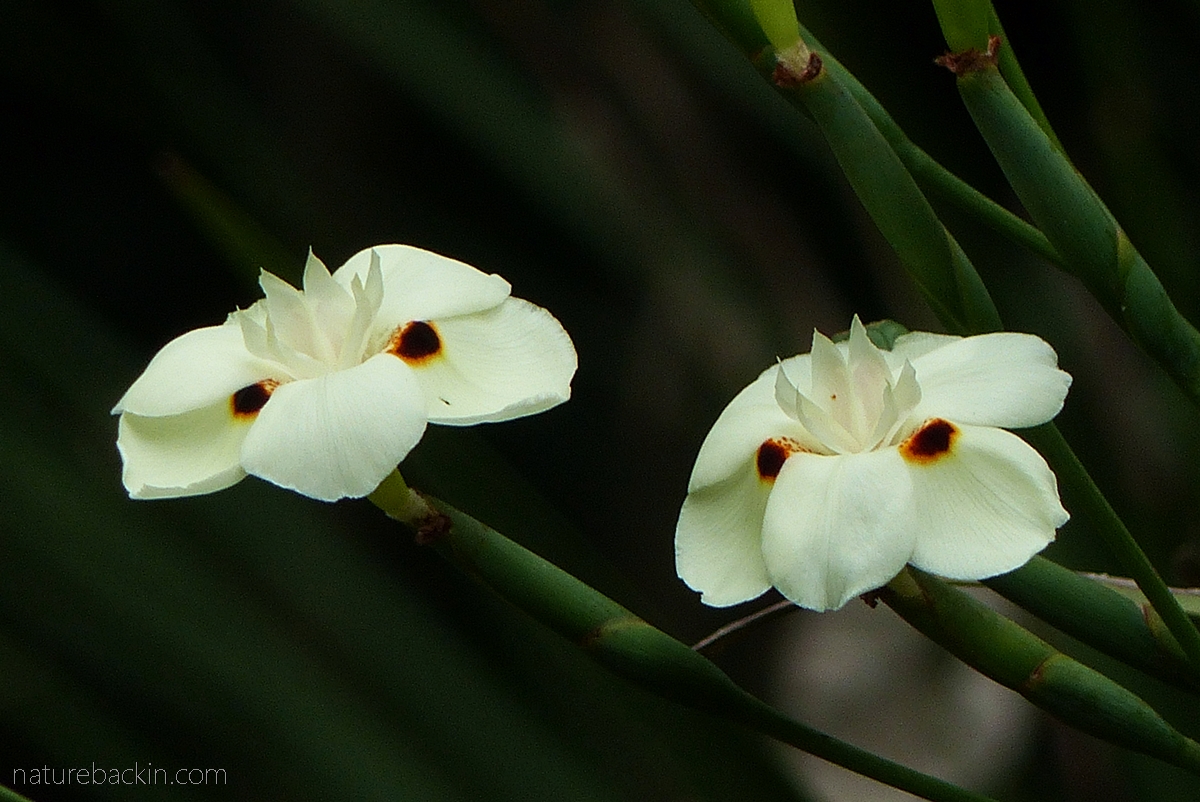
Following last week’s post showcasing the large wild iris (Dietes grandiflora), this post features the other two wild irises in our garden: the yellow wild iris or peacock flower (Dietes bicolor) and the less well-known forest wild iris – or simply forest iris – (Dietes butcheriana), which is also known as the broad-leaved dietes.
Continue reading “More on our wild irises: The yellow and the forest wild irises”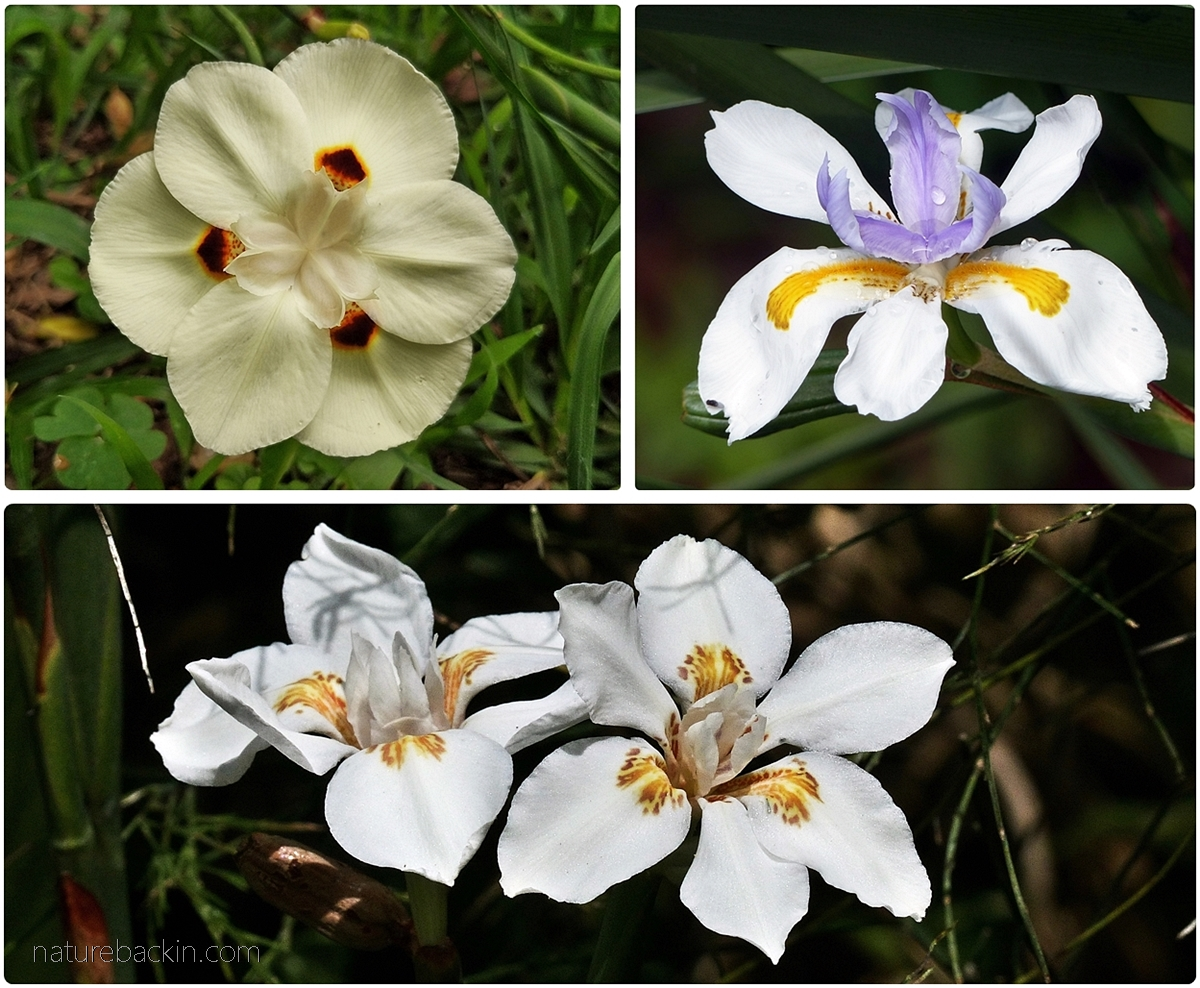
The lovely soft-looking flowers that don’t last long on the plant make it surprising that wild irises of the Dietes genus are in fact incredibly hardy, to the extent that they are a familiar sight in mass plantings in urbanised places such as business parks and shopping malls.
Continue reading “Introducing three wild irises”
Shorter days and cooler nights bring changes as the daytime temperatures vary between hot and mild. With the dryer air the sunshine has a golden clarity enhancing the colourful winter flowers and mellow berries, and brightening the visiting birds and insects in the garden.
Continue reading “Meanwhile back in the garden: Images of early winter”