
This elegantly slender, auburn-hued mongoose with a distinctive black tip to its long tail is most often seen dashing for cover, although sometimes it does stop to look back over its shoulder before disappearing into dense vegetation. Seeing this mongoose just beyond the bottom of our garden was a special experience. Continue reading “Elusive garden visitor: Slender Mongoose”

Almost the point of no return over this sharp edge for this caterpillar. No it did not plummet into the abyss. After a rather hairy moment wavering over the edge, it had enough legs to hang on as it turned around to safety. I don’t know the ID of this extravagantly hairy little guy, so if anyone does, I’d be glad to know what it is.
Posted by Carol at letting nature back in
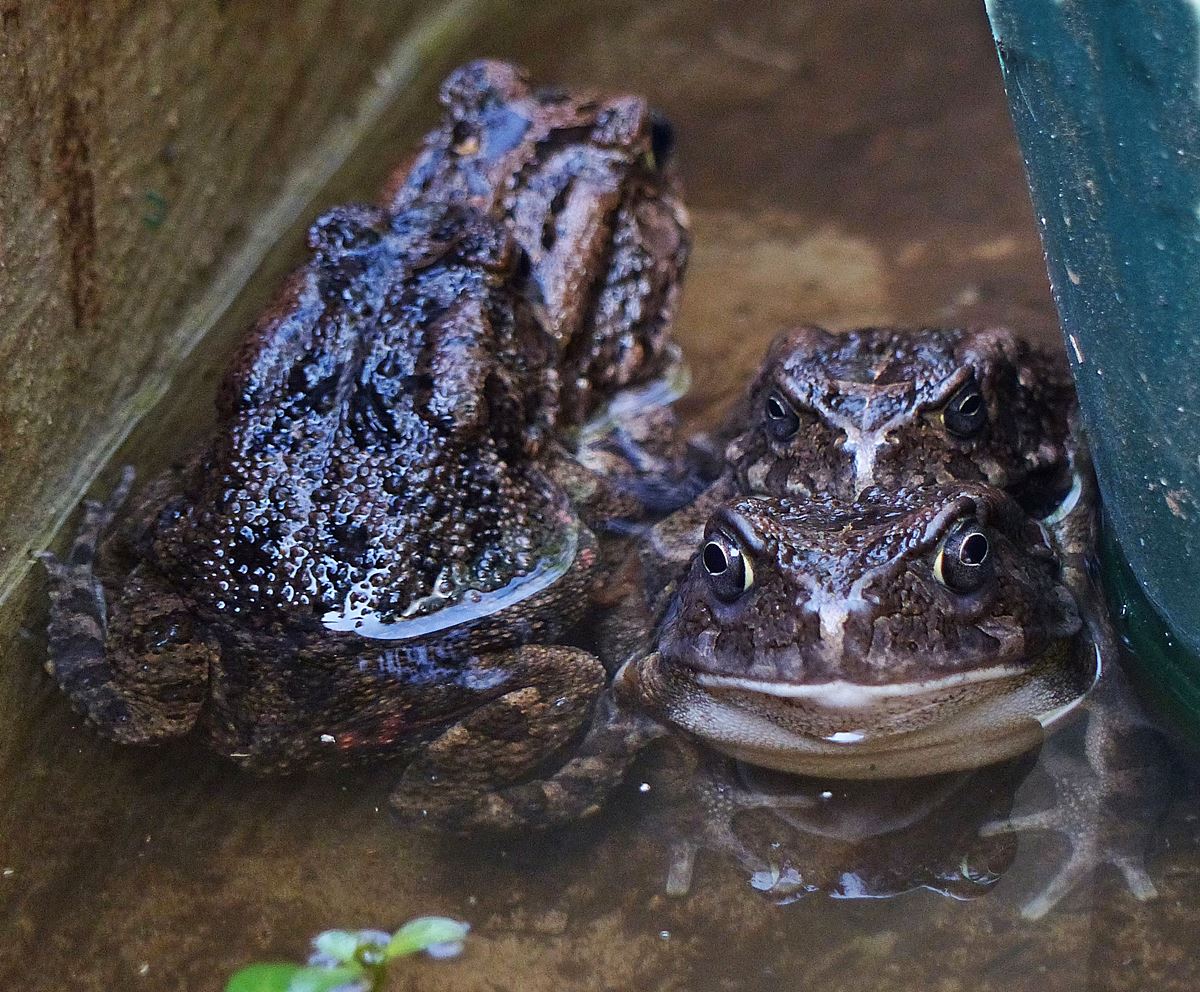
Not only do the male and female in each mating pair of guttural toads mirror each other, but the two couples are mirrored “in reverse”. Spring and a welcome shower of rain triggered spawning by guttural toads in our garden pond, despite the water level being low. The deeper areas of the pond are now coiled with long ropes of spawn. ★
Posted by Carol at letting nature back in
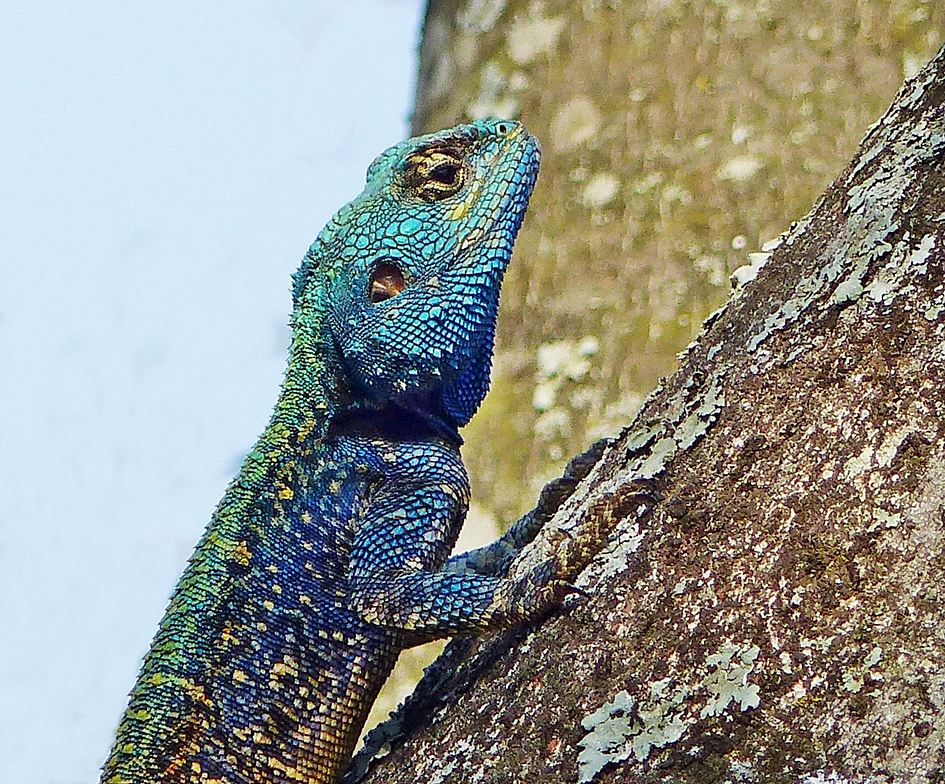
Southern Tree Agamas, commonly known as Blue-headed lizards, have adapted to suburban gardens, especially where there are suitable trees to sustain them. When breeding, the males are colourful and their vividly blue heads are most striking. Non-breeding males and females are considerably less conspicuous although their more understated scaly markings still render them handsome reptiles. Continue reading “Agamas in the garden”
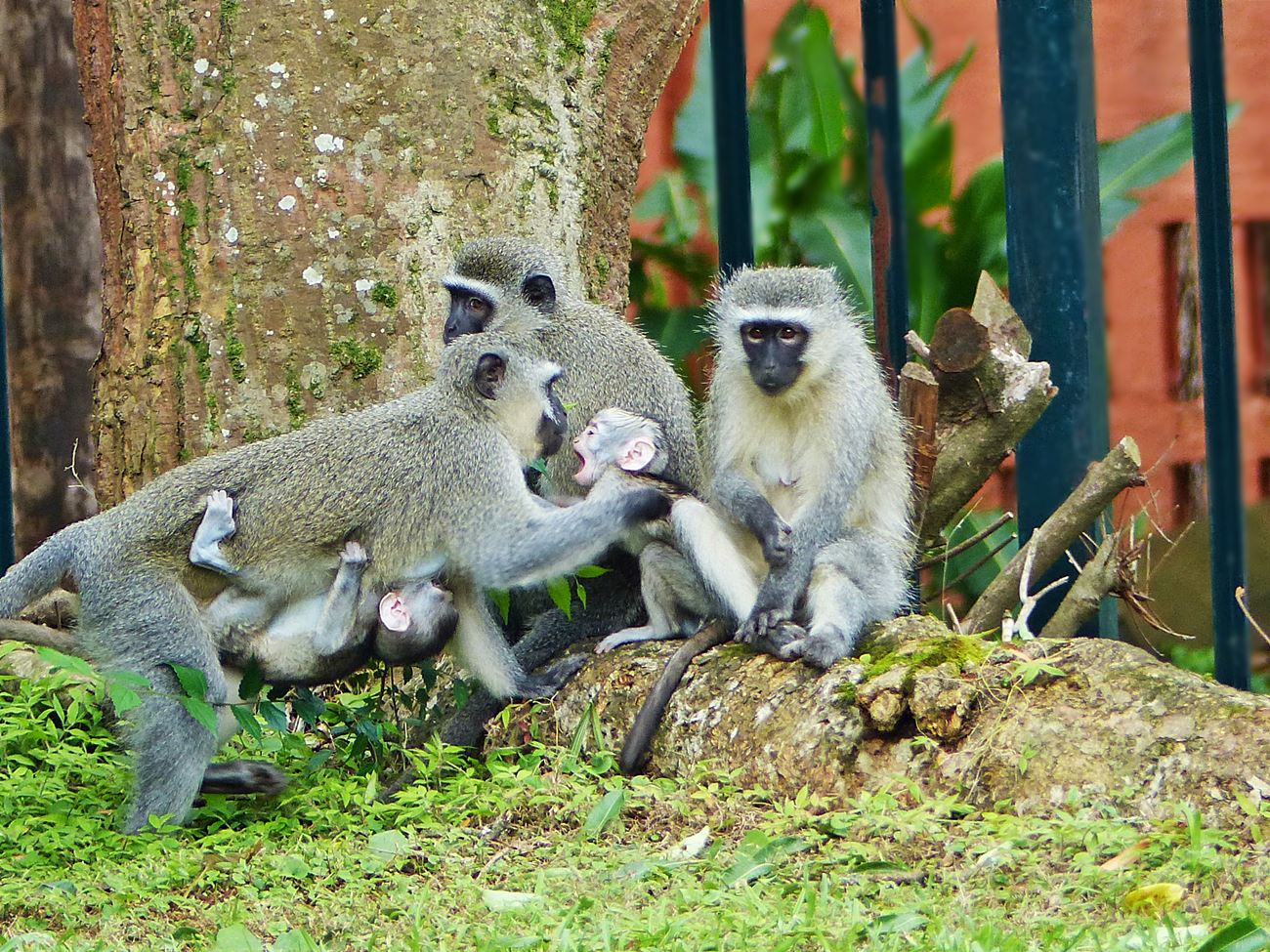
It is rare to capture an encounter like this in a suburban garden and so it seems appropriate for it to be included in the Rare: Weekly photo challenge. Although vervet monkeys are attracted to infants and often solicit permission from monkey mothers to touch or even hold their infants, I think this encounter is rare as the mother is approached by another mother who is already nursing her own baby. Also she takes the baby without permission. To find out what happens see the full photo essay in the previous post at letting nature back in ★
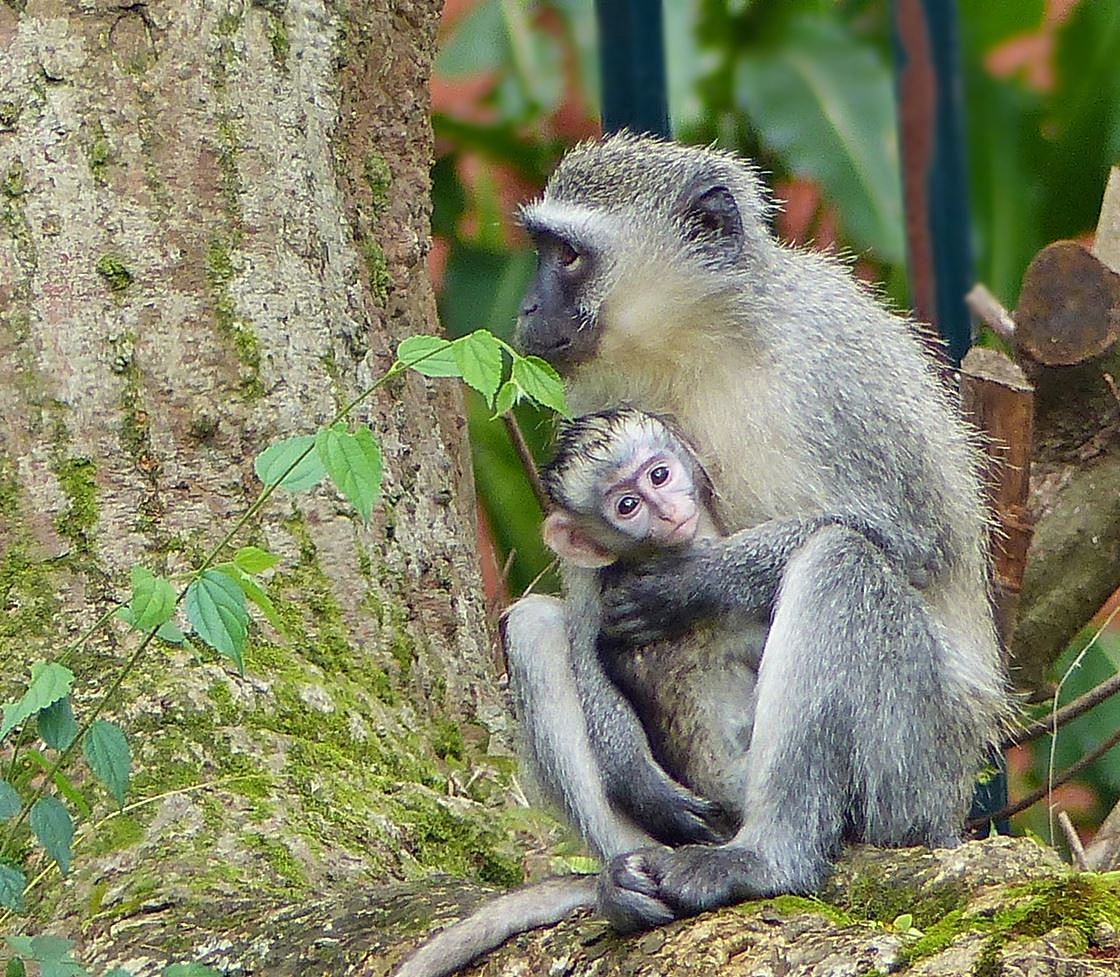
This post is in the form of a photo essay documenting what happened after a vervet monkey mother, nursing a baby of her own, suddenly took a smaller baby from another mother.
Although it is common for juvenile and female monkeys to take an interest in infant monkeys and to want to touch and even hold the infants, this is the only time I have seen a monkey with her own small baby take another baby and without permission. This may be unusual or rare behaviour, and it is rare to capture it on camera in a suburban garden. Continue reading “Monkey mom snatches a second baby: A photo essay on how the story unfolds in my suburban garden”
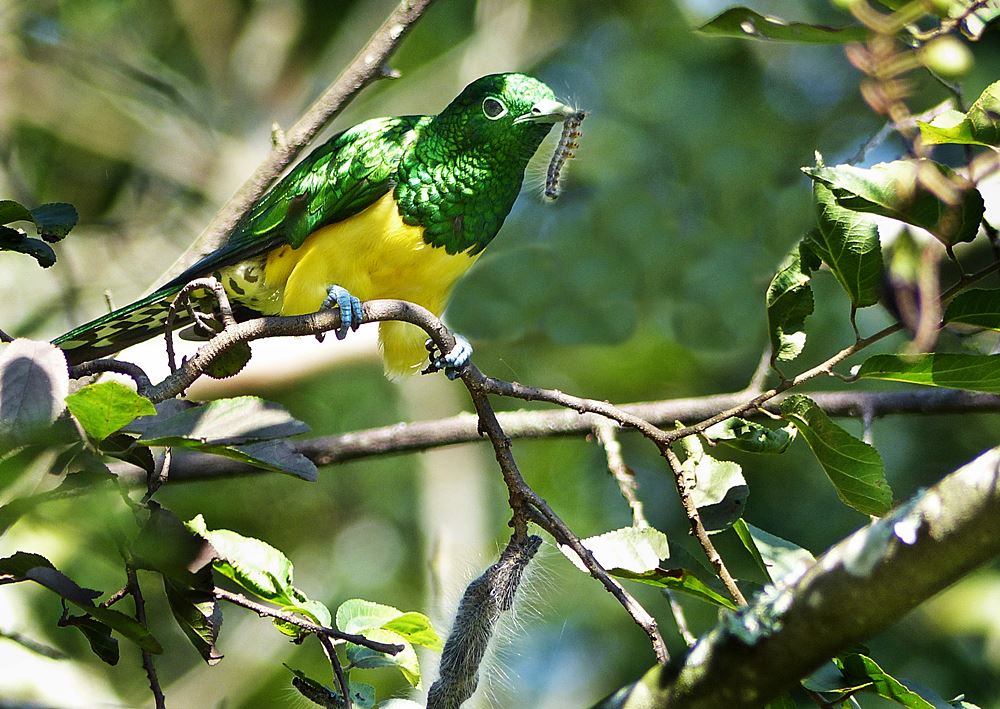
Perfect hosts are hard to find. Processionary caterpillars only accept hospitality from a handful of host plants. One of these is the Cross-berry, which the caterpillars return to each year, in our suburban garden. In turn, the perfect host also accommodates the predatory birds and insects that are attracted to the caterpillars, including the iridescent male African Emerald Cuckoo pictured above. Continue reading “The perfect host: Processionary caterpillars in our suburban garden: Part 2”
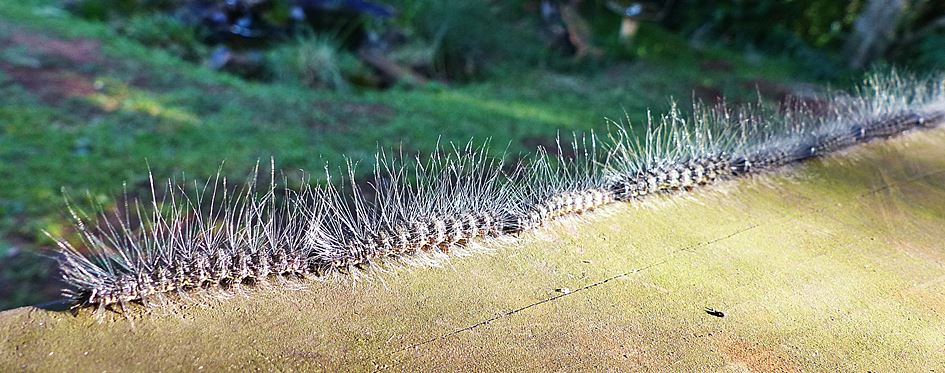
Each autumn, dozens of hairy caterpillars congregate on the Cross-berry trees in our garden. These caterpillars are the larvae of the moth named Reticulate Bagnet (Anaphe reticulata). They become conspicuous not only because they congregate in groups on tree trunks and even on plant pots, but they are also noticeable for following each other head to tail in long single-file trails, hence the collective name for this type of caterpillar: processionary caterpillar.
