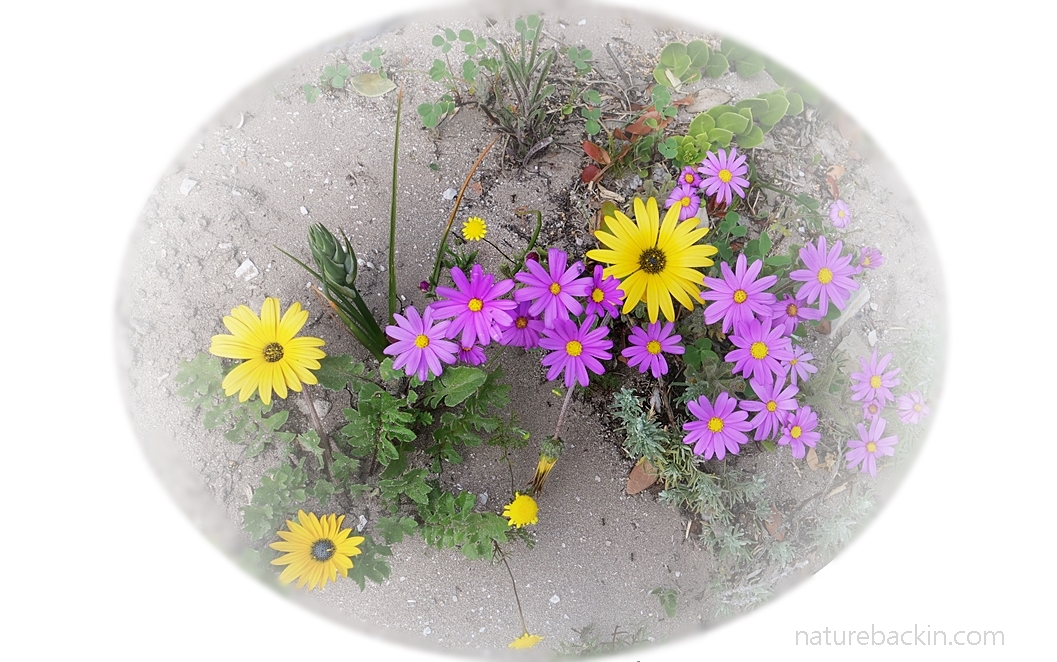
Spring in our winter-rainfall area is rich with a huge diversity of wild flowers. We recently revisited the coastal area around the small Danger Point peninsula near Gansbaai in the Overberg, mostly to see the spring flowers that grow along the roadsides and down to the seashore.
Continue reading “Reframing flowers in the Fynbos Biome”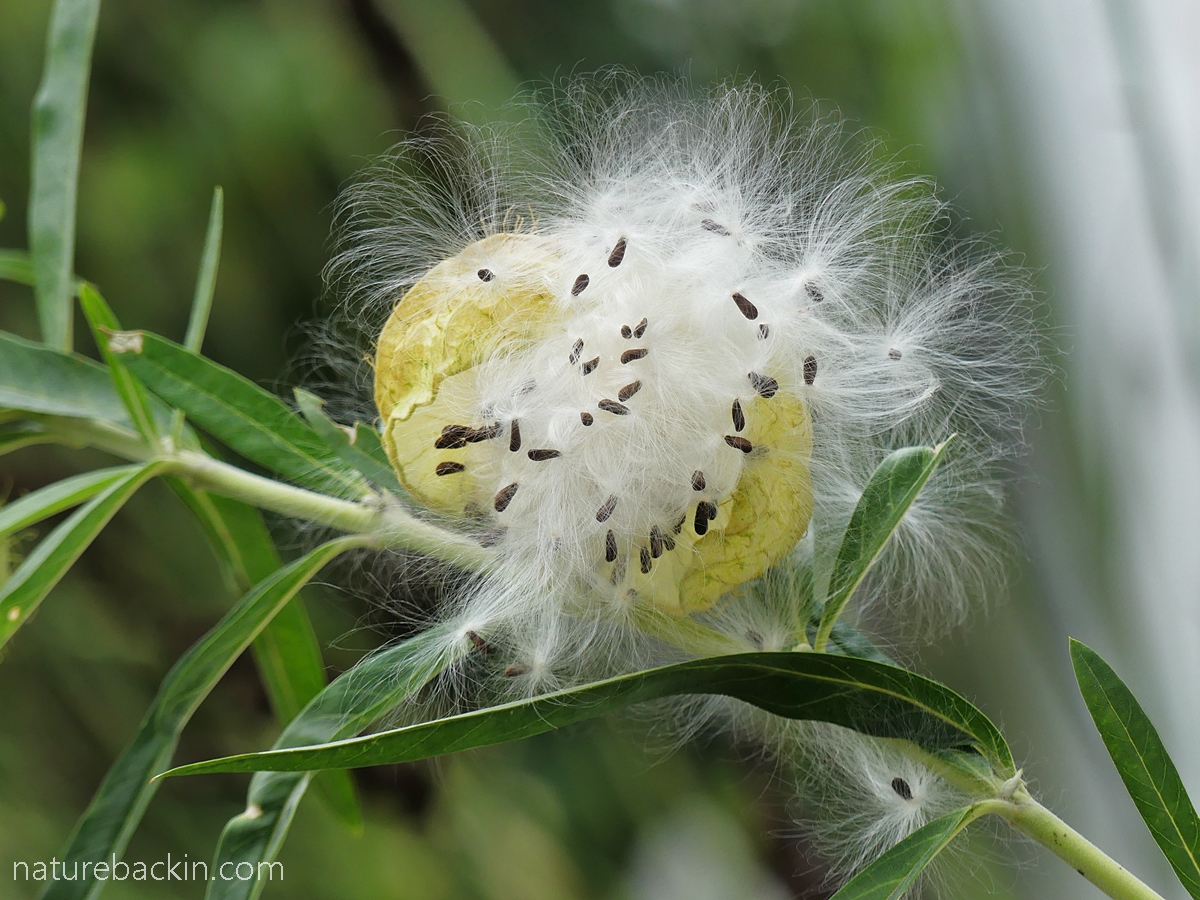
I am always happy when volunteer plants in our garden turn out to be interesting, non-invasive and preferably indigenous. One that is all three (or so I first thought!) is a species of milkweed, which is known colloquially as balloon milkweed, balloon wild cotton or hairy balls. One of its attributes is that it is a host plant for the African monarch butterfly.
Continue reading “Balloon milkweeds hosting butterflies”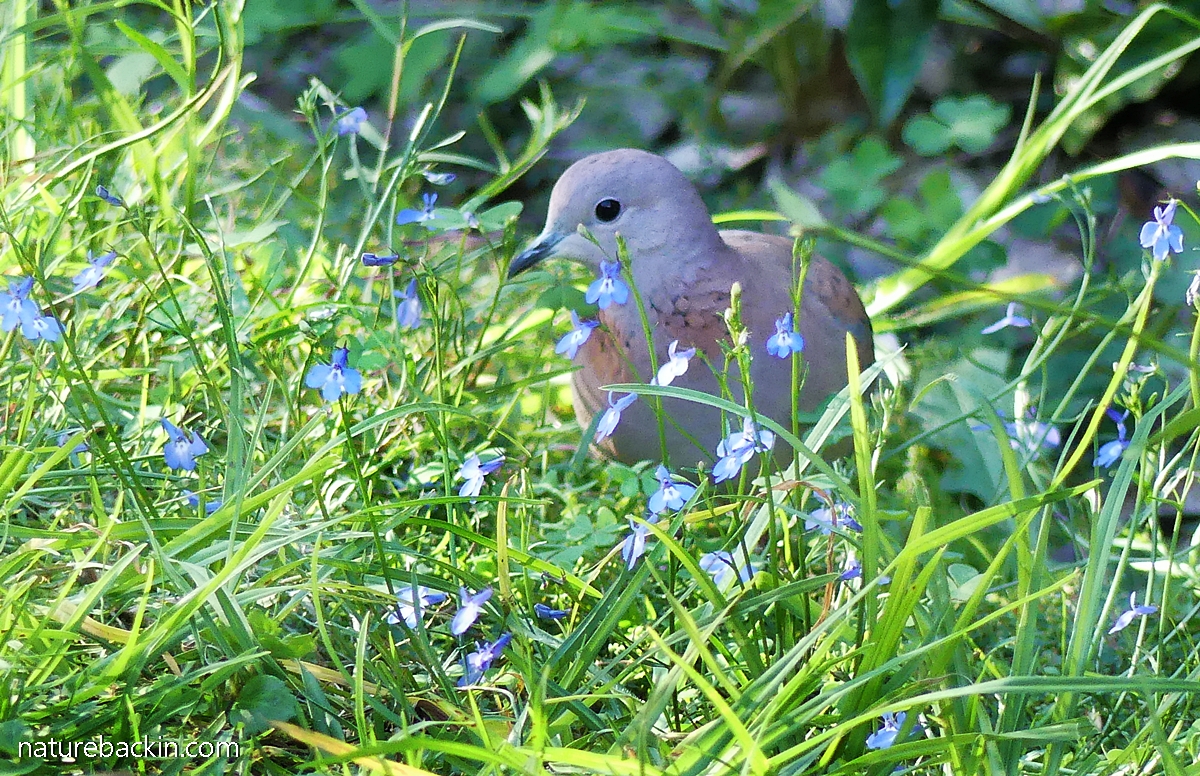
It is somewhat trite to say that change is a constant – be it good or bad or even when we try to be indifferent. Moving house, especially when moving further afield, certainly foregrounds change. And even when the change is chosen, adapting can be demanding and nostalgia can become one’s go-to space.
Continue reading “Ch-ch-ch-changes”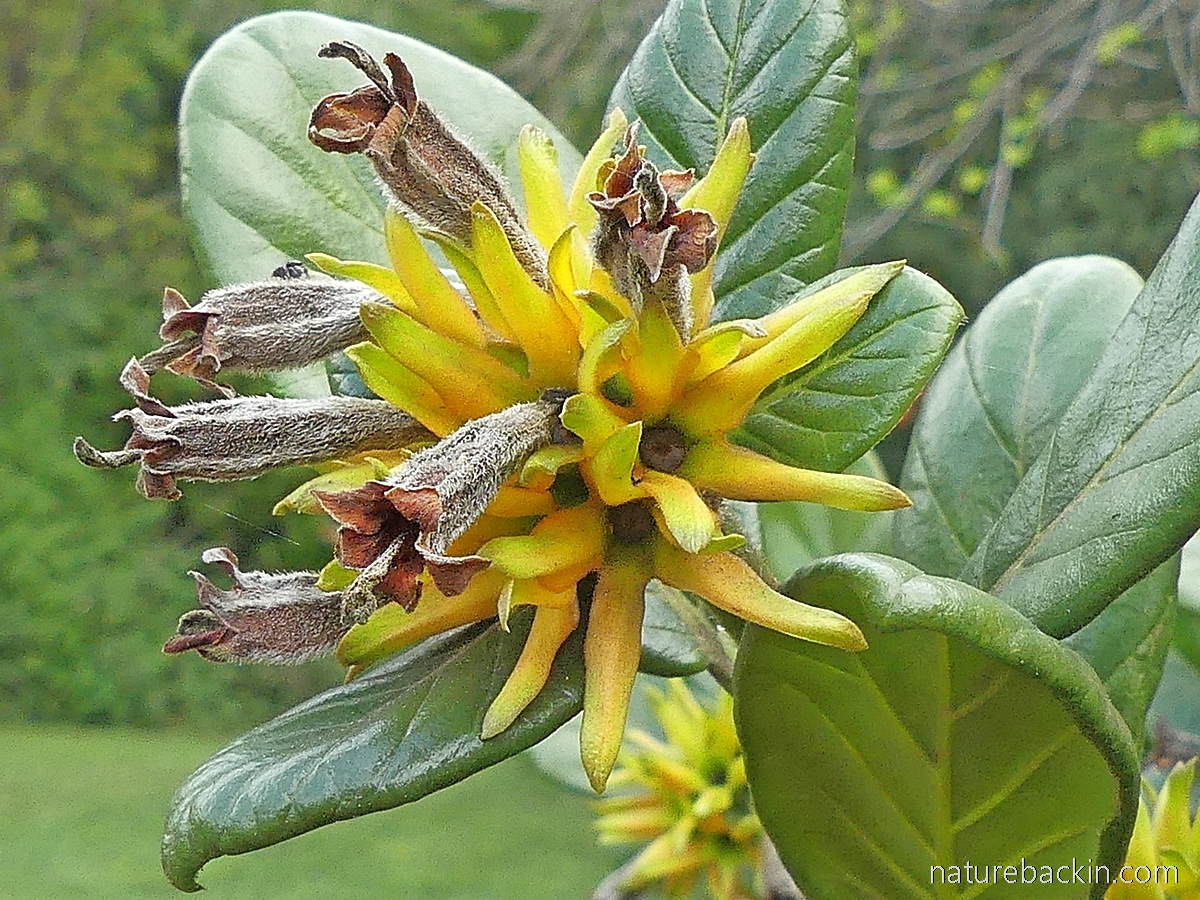
Some of these photos taken in our garden last year strike me as being little bit quirky. So here they are, without titles or captions, to provide a little undemanding diversion.
Continue reading “Random quirkiness in the garden“
In our spring equinox week we have had rain, snow and temperatures falling across parts of the country. It has been a bit of a mixed blessing but new growth is very evident including in our garden and sunshine is back today.
Continue reading “Southern equinox after springtime September rains“
We had an unexpected invitation to spend last weekend in the southern Drakensberg mountains, to which we spontaneously said ‘yes’. Morning walks were a delight and I share here some of the treasures, mostly flowers, that we enjoyed seeing in the grasslands.
Continue reading “Summertime mountain flowers”
Coming into flower now, after dropping its leaves in the very early spring, is the profusely flowering wild honeysuckle-tree. Flowering on bare stems with the new leaves just starting to sprout it puts on a lovely show.
Continue reading “The wild Honeysuckle-tree flowering abundantly”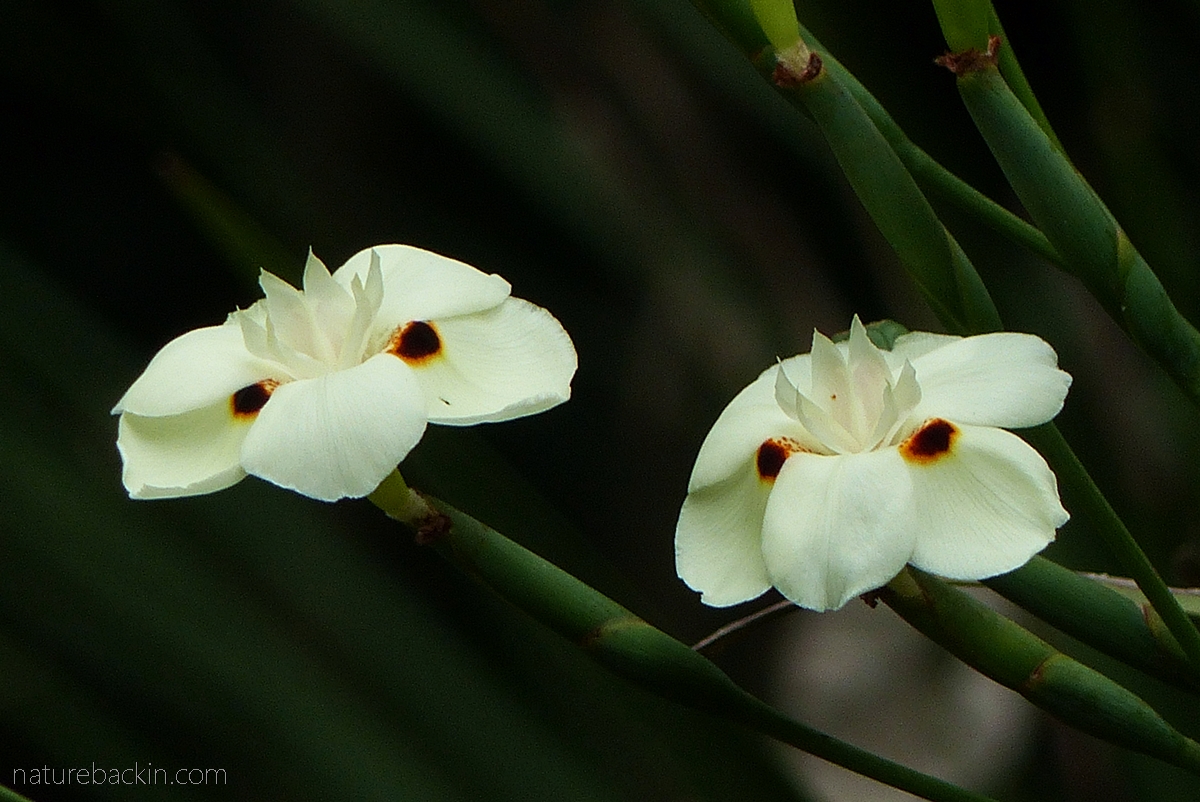
Following last week’s post showcasing the large wild iris (Dietes grandiflora), this post features the other two wild irises in our garden: the yellow wild iris or peacock flower (Dietes bicolor) and the less well-known forest wild iris – or simply forest iris – (Dietes butcheriana), which is also known as the broad-leaved dietes.
Continue reading “More on our wild irises: The yellow and the forest wild irises”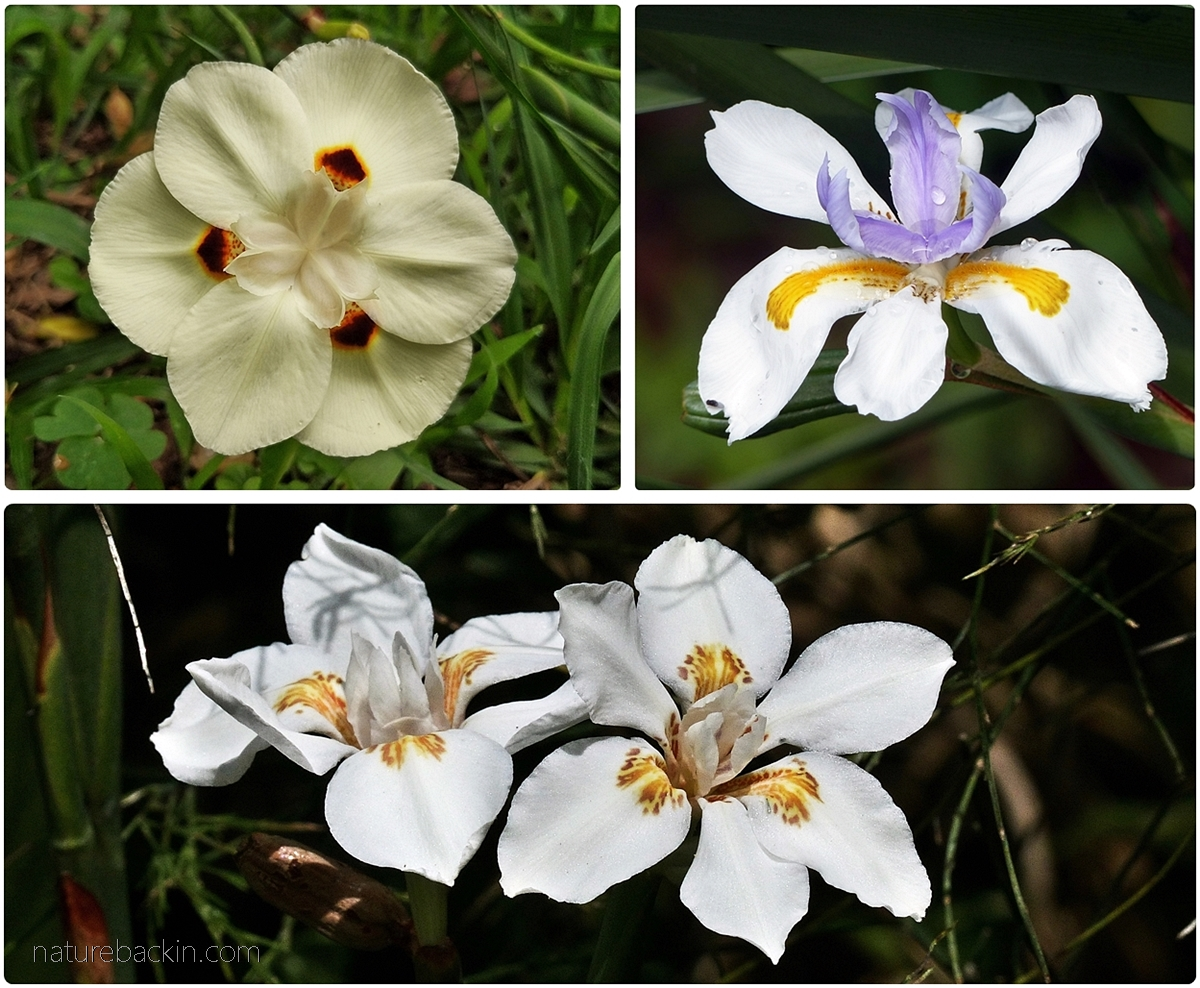
The lovely soft-looking flowers that don’t last long on the plant make it surprising that wild irises of the Dietes genus are in fact incredibly hardy, to the extent that they are a familiar sight in mass plantings in urbanised places such as business parks and shopping malls.
Continue reading “Introducing three wild irises”