
Purple, traditionally associated with royalty, certainly is a rich colour in the garden. As a fan of the colour purple, I started taking photographs of purple flowers in the garden and I share some of them here. Continue reading “Purple-powered flowers”

The glossy red berries of the Solanum giganteum provide satisfaction for birds during the winter months when conditions can be harsh. Continue reading “Winter satisfaction”
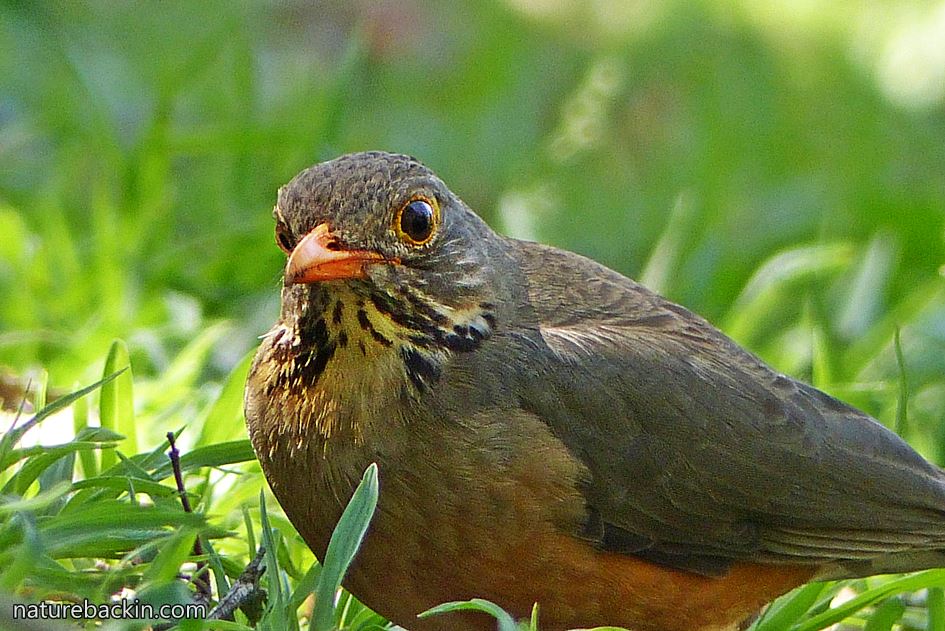
The thrushes are as busy as ever this winter. Only two species of thrush visit our garden, out of the 12 or so species found in South Africa. Continue reading “Ground-foraging songbirds: There are thrushes at the bottom of the garden”

These chess pieces in the photograph are unusual for three reasons. Continue reading “Waxwork Chinese chess pieces”
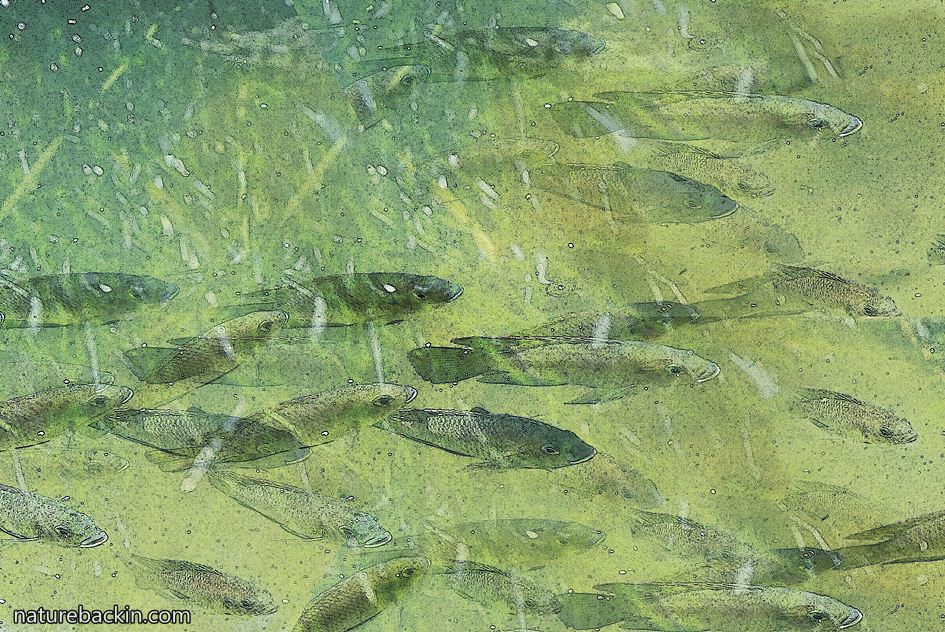
Banded Tilapia gather together to sun themselves near the surface of our pond. Continue reading “Fishpond Collage”
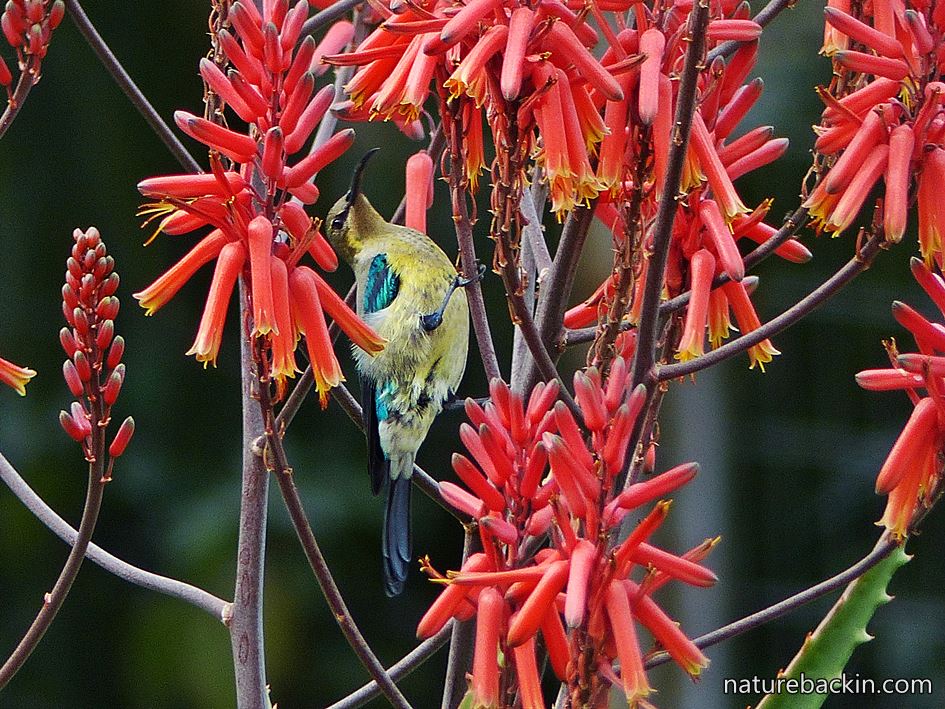
Flowering aloes attract many birds and insects, and in the case of the Ashburton Aloe Festival, many visitors too are attracted to this annual event held by the Lower Mpushini Valley Conservancy. Continue reading “Aloes and gardens, Samangos and forests”

Even Tree Lizards needs bridges. What better than a horizontal branch bridging a gap? Continue reading “Arboreal Bridge”
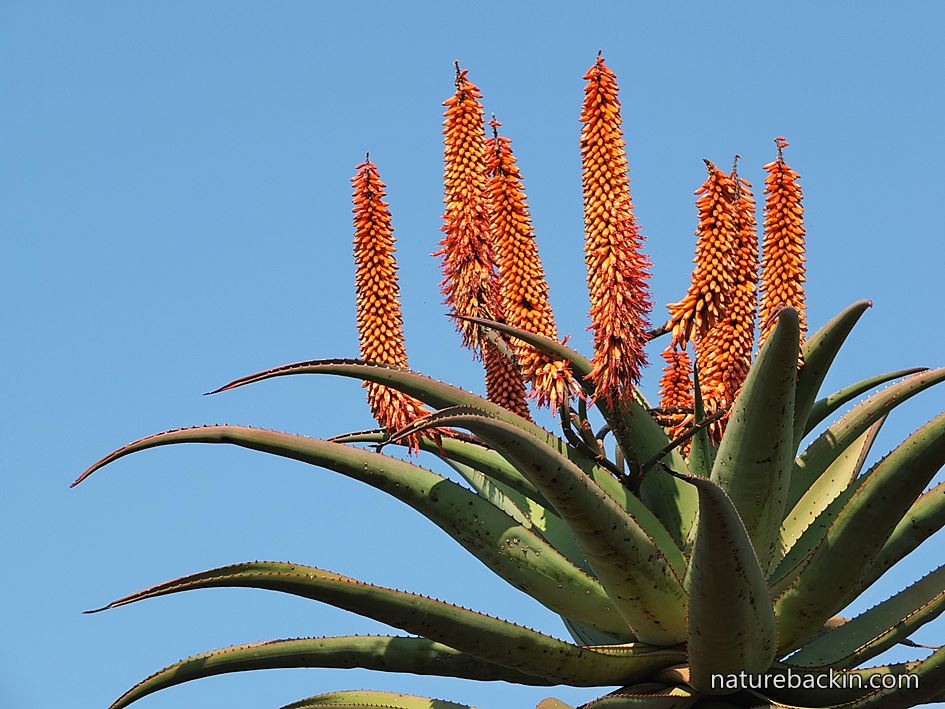
This is my first post from outside our garden. We ventured forth to the annual Ashburton Aloe Festival that takes place in a nature conservancy on the other side of town. Continue reading “Aloe from the other side”
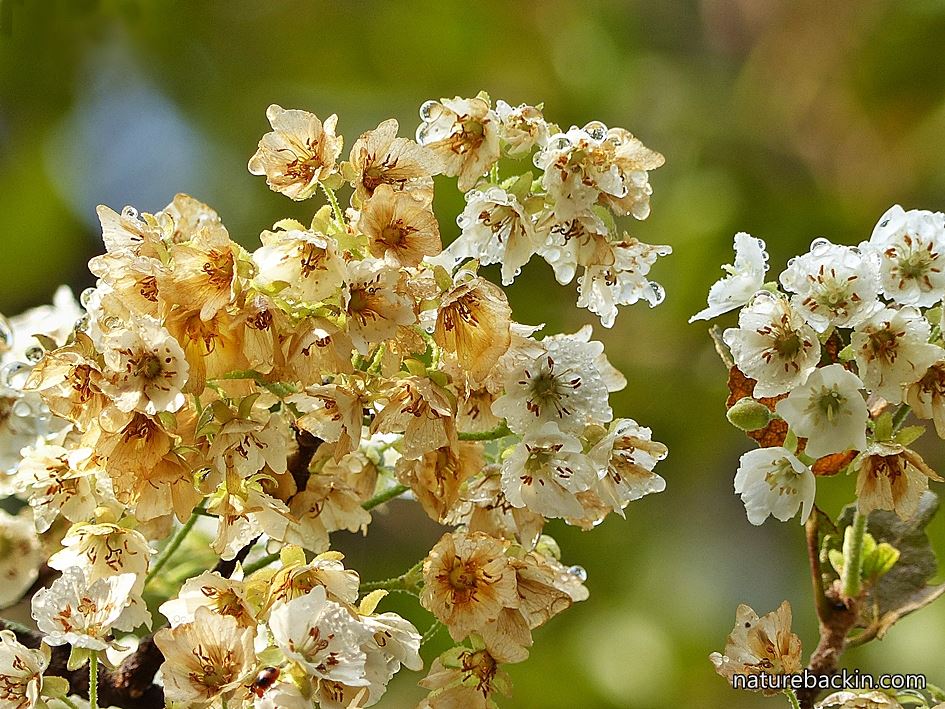
Change is often associated with something unwelcome or even threatening, but the change of seasons that cycle through time is an ongoing process that we and the natural world rely on. Continue reading “Transitions we rely on”
