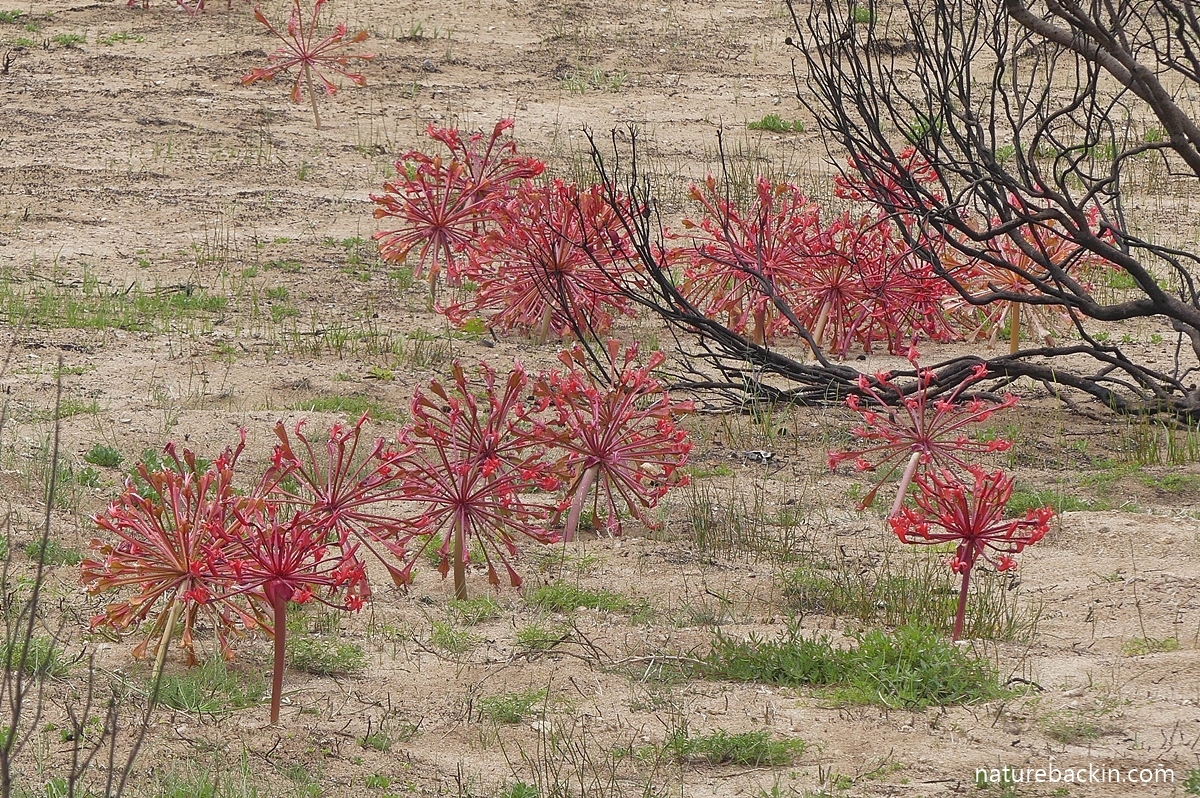
After the recent fires much of the landscape is still barren and bleak. A little rain has coaxed some grasses and resprouters into sparse patches of green, but on the low-lying sandy flats thousands of candelabra lilies (Brunsvigia orientalis) have, almost literally, burst into bloom in an explosion of crimson colour. The sight is even more impressive as little else is flowering.
Continue reading “Candelabra lilies blazing crimson flowers after the fires”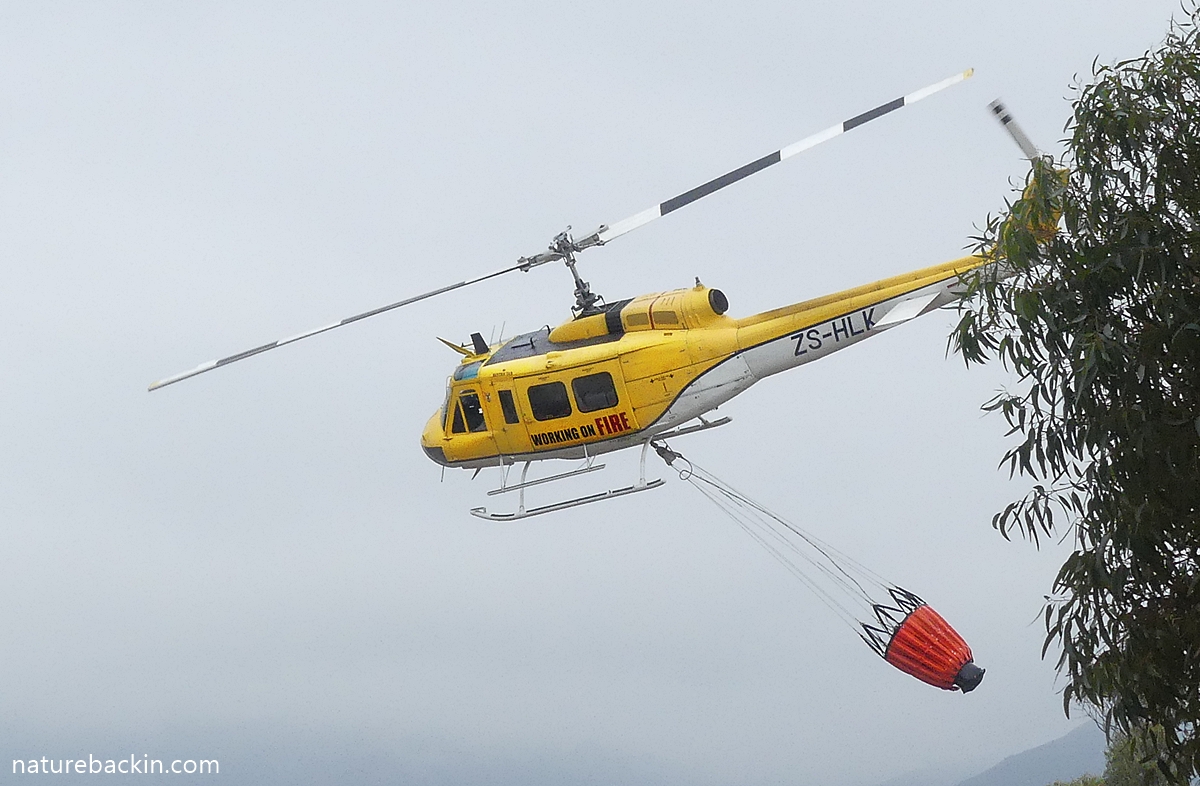
It is a month since the peak of the most recent of the wildfires that raged in our district. Ironically, after the intense heat and dryness, this week a cut-off low weather system brought unseasonal deluges of rain, heavy enough to cause flooding in some communities.
Continue reading “Fire lines: Weeks of wildfires in the Overstrand”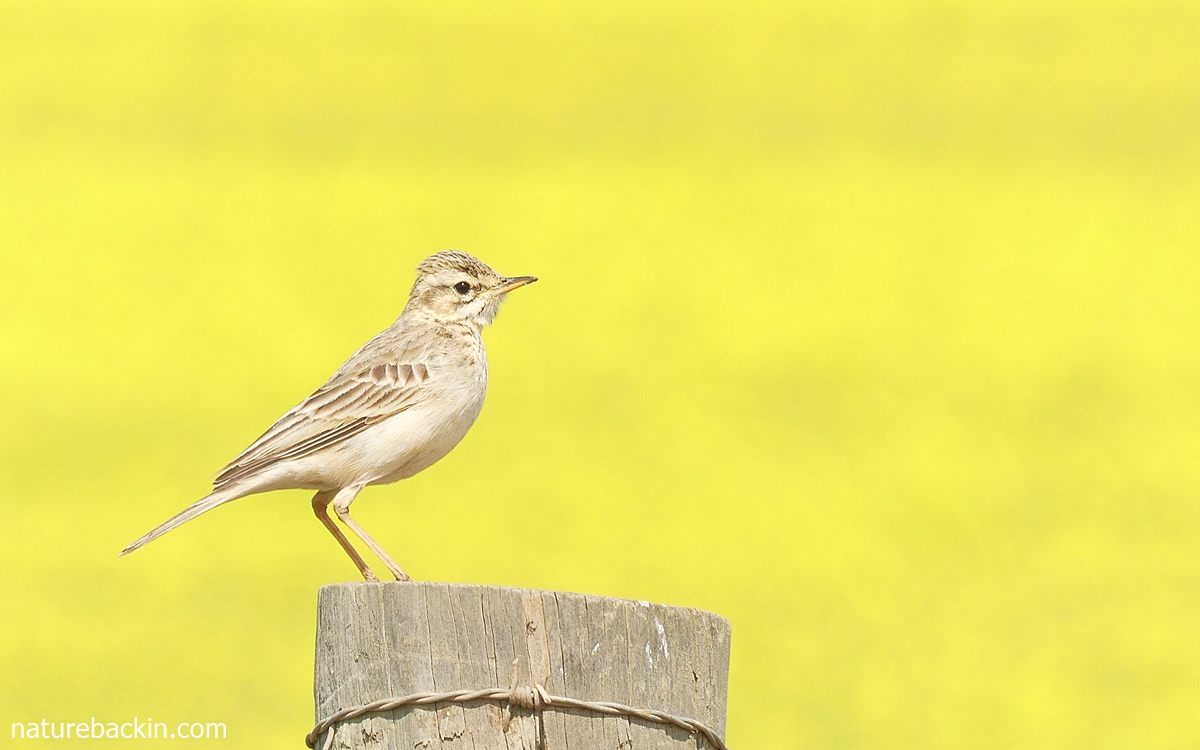
A September outing took us up a farm road, offering a spot of birdwatching, and then past the Sugarbird Nature Reserve that was rich with flowers as the vegetation regenerated after a previous fire.
Continue reading “Springtime in the Overberg, Part 2: Feathers, farmlands and flowers”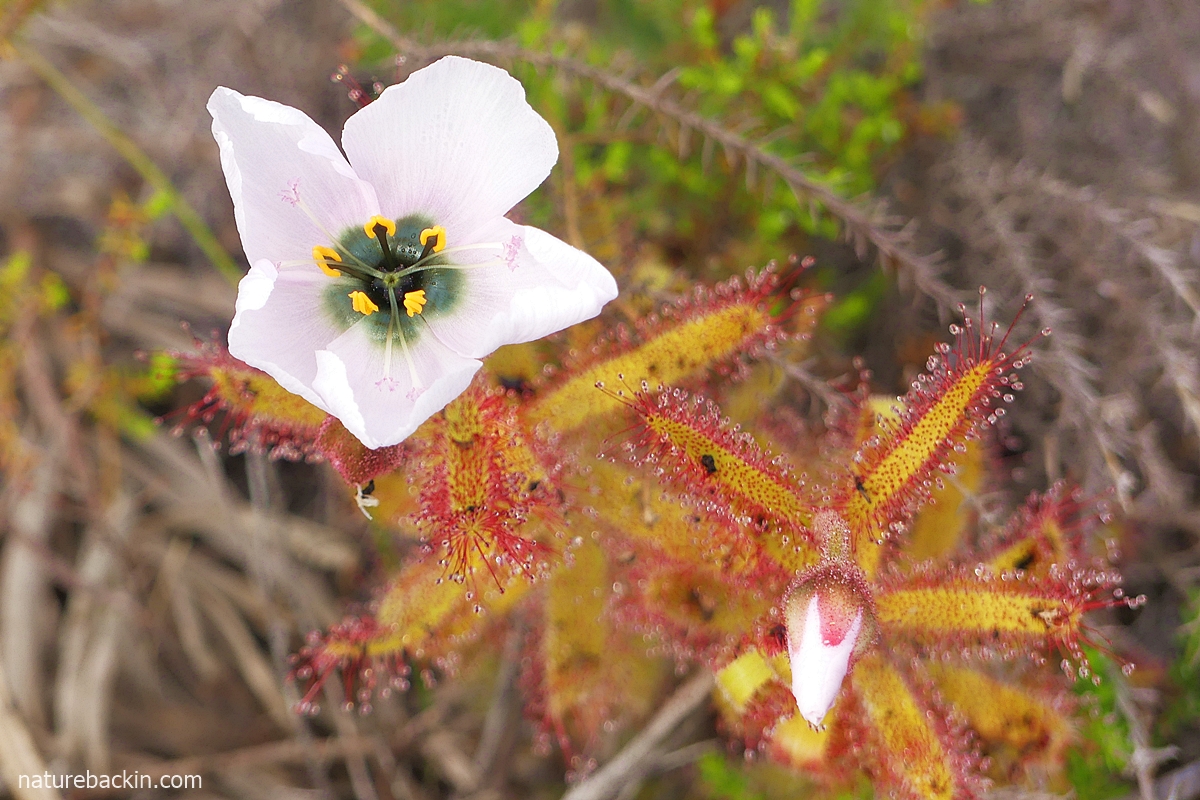
Two outings in September exposed us to an array of spring flowers spiced with a sprinkling of birds seen on farm roads and nature reserves in the Overstrand area of the Overberg in the Western Cape.
Continue reading “Springtime in the Overberg: Some fynbos flowers (and shaggy monkey beetles)”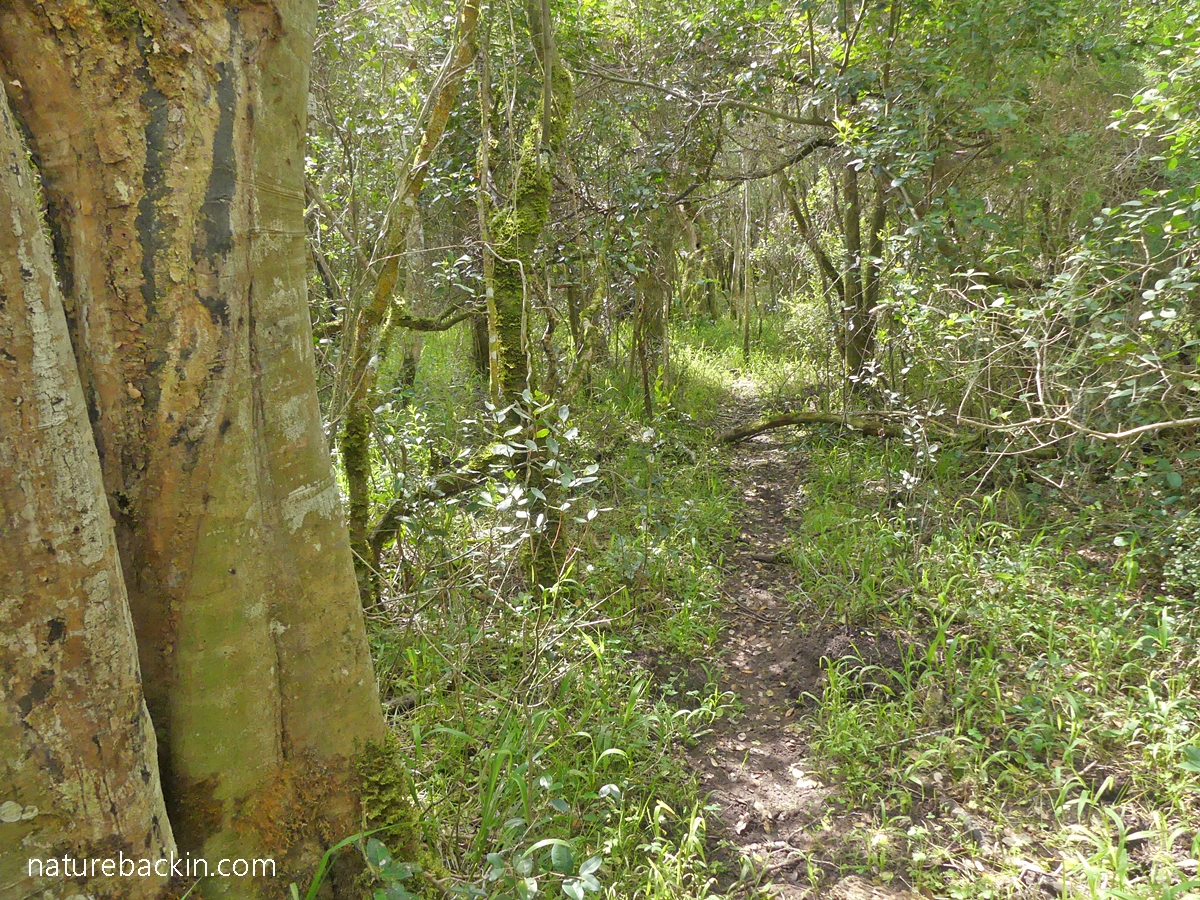
Fynbos shrubland is characteristic of much of the Western Cape’s natural vegetation, but in some patches that are not subjected to high fire danger, remnants of woodland and forests do exist. In the Walker Bay region of the Overberg, between Gansbaai and Hermanus, the Swartkransberg complex of lowland forest patches survive despite historical and ongoing threats to their survival.
Continue reading “Exploring Platbos – Africa’s southernmost forest”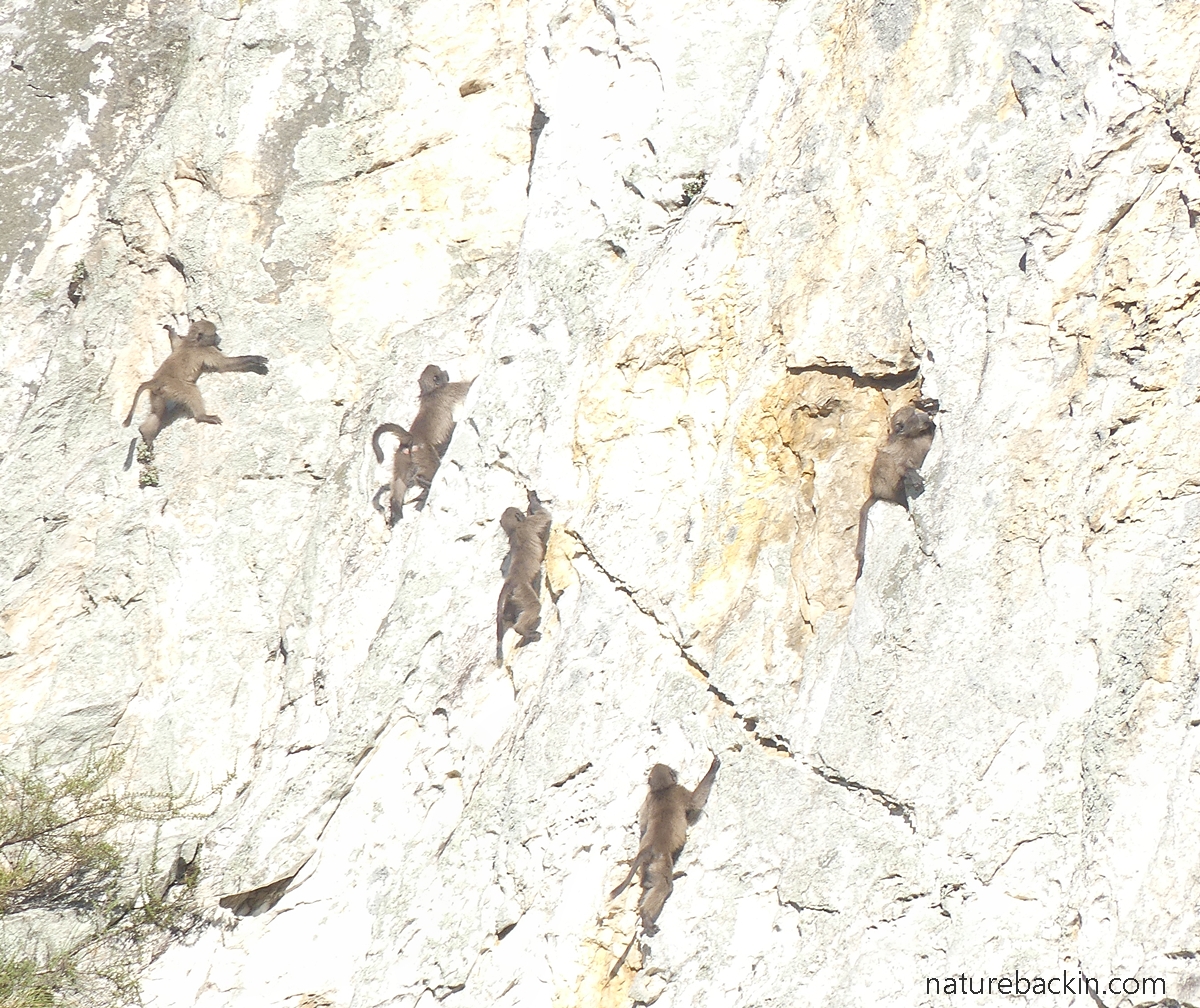
One morning in April we went walking in the Phillipskop Mountain Reserve, which is not far from Stanford in the Overberg. A highlight turned out to be watching chacma baboons climbing a rock face after they emerged from a large cave.
Continue reading “A mountain walk and baboons climbing at Phillipskop Mountain Reserve”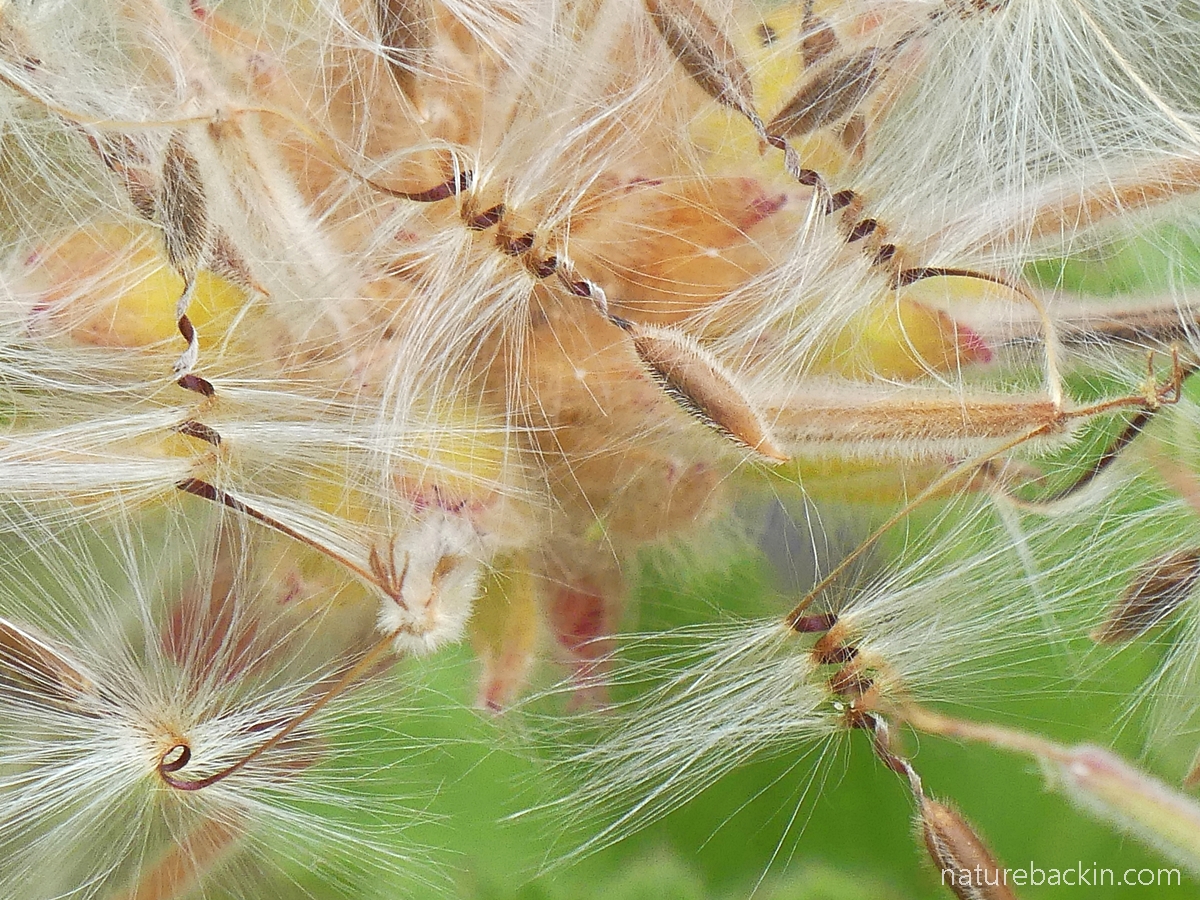
Of the 270 naturally occurring species of pelargoniums in the world, about 219 species occur in South Africa. Of these, I focus here on just two – and one hybrid – that grow in our garden. And a true geranium also makes an appearance. Be it the leaves, the flowers or the seeds, pelargoniums are always interesting to photograph.
Continue reading “Pelargonium flower portraits and a geranium too”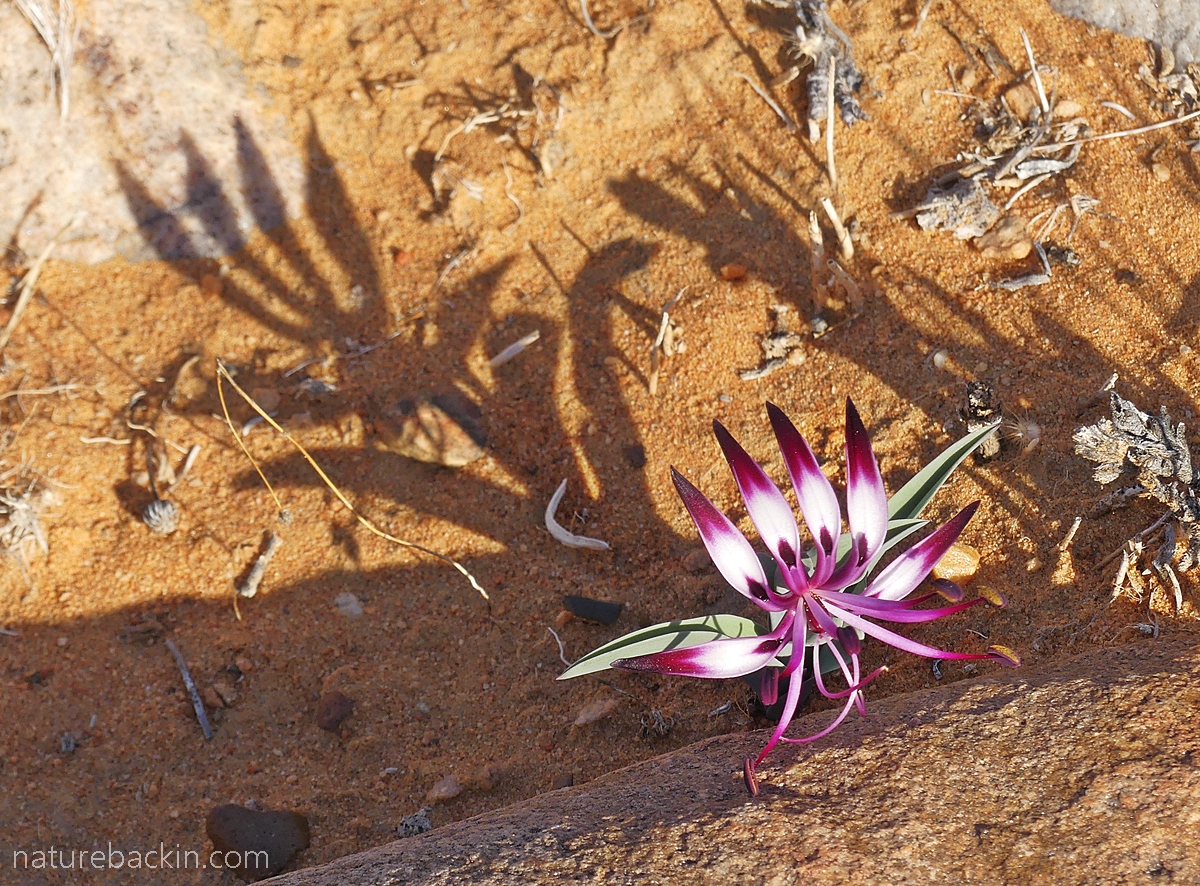
Arid it is in the Tankwa Karoo, but there is life to be found on the stony ground if one slows down and refocuses – generally a satisfying thing to do, and especially so when travelling to new places. And the rocks and stones are interesting not only to geologists and archaeologists. Their variety in colour, form and density are interesting to anyone – though the stones do have their drawbacks for those travelling by road!
Continue reading “Tankwa Karoo Part 2: Plants and birds and rocks and things”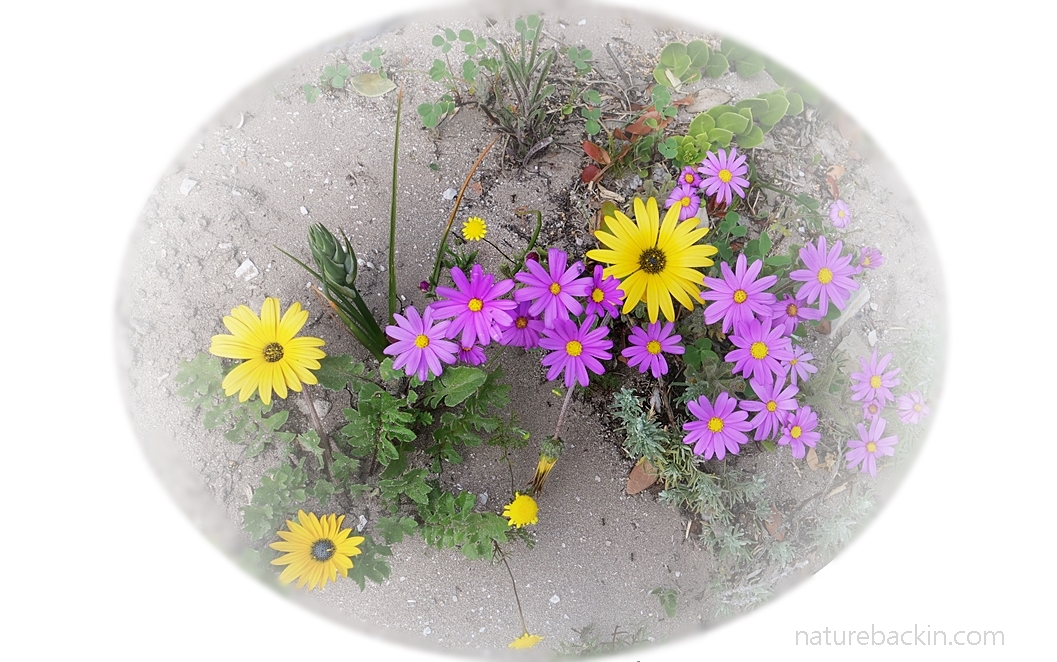
Spring in our winter-rainfall area is rich with a huge diversity of wild flowers. We recently revisited the coastal area around the small Danger Point peninsula near Gansbaai in the Overberg, mostly to see the spring flowers that grow along the roadsides and down to the seashore.
Continue reading “Reframing flowers in the Fynbos Biome”