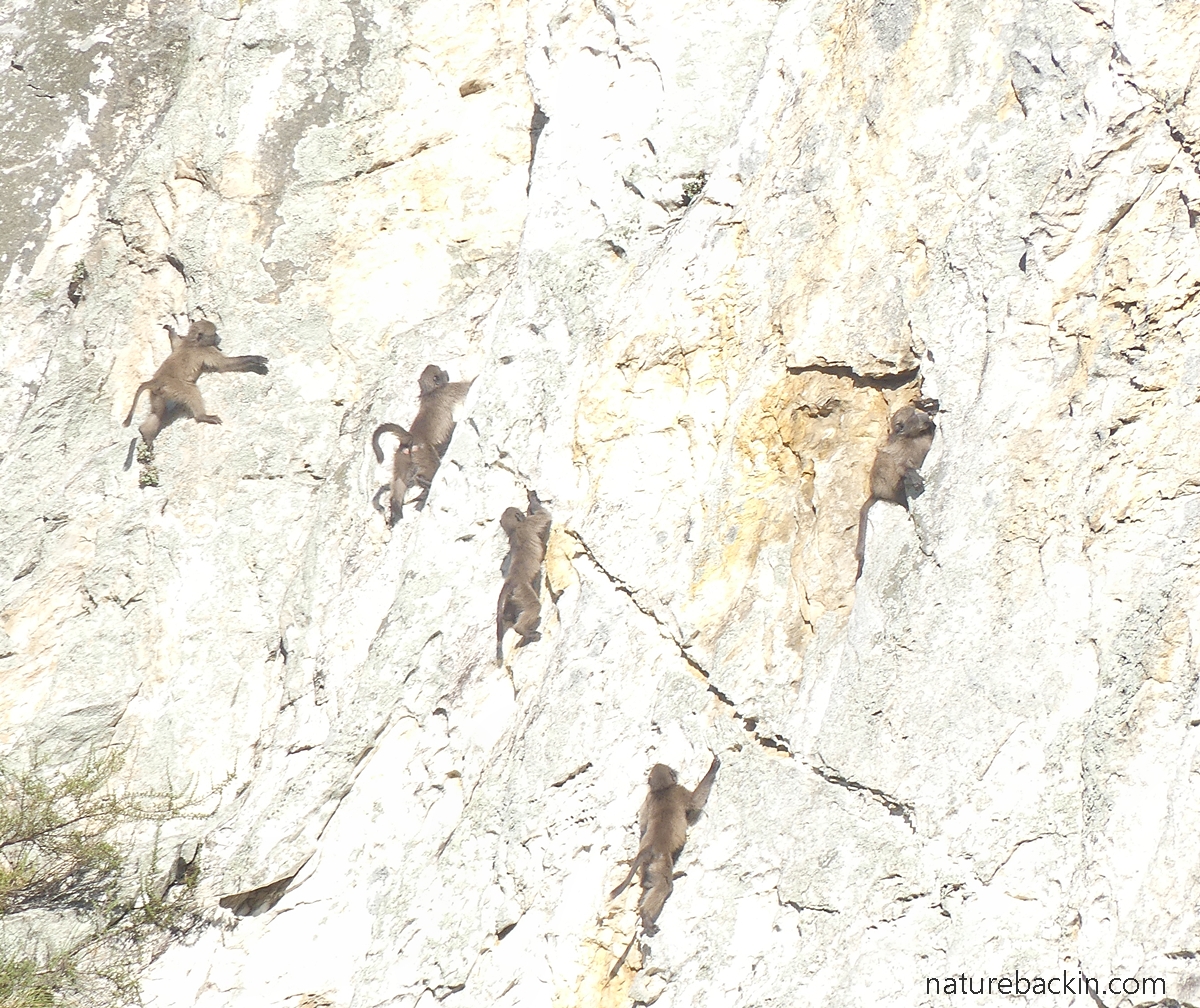
One morning in April we went walking in the Phillipskop Mountain Reserve, which is not far from Stanford in the Overberg. A highlight turned out to be watching chacma baboons climbing a rock face after they emerged from a large cave.
Continue reading “A mountain walk and baboons climbing at Phillipskop Mountain Reserve”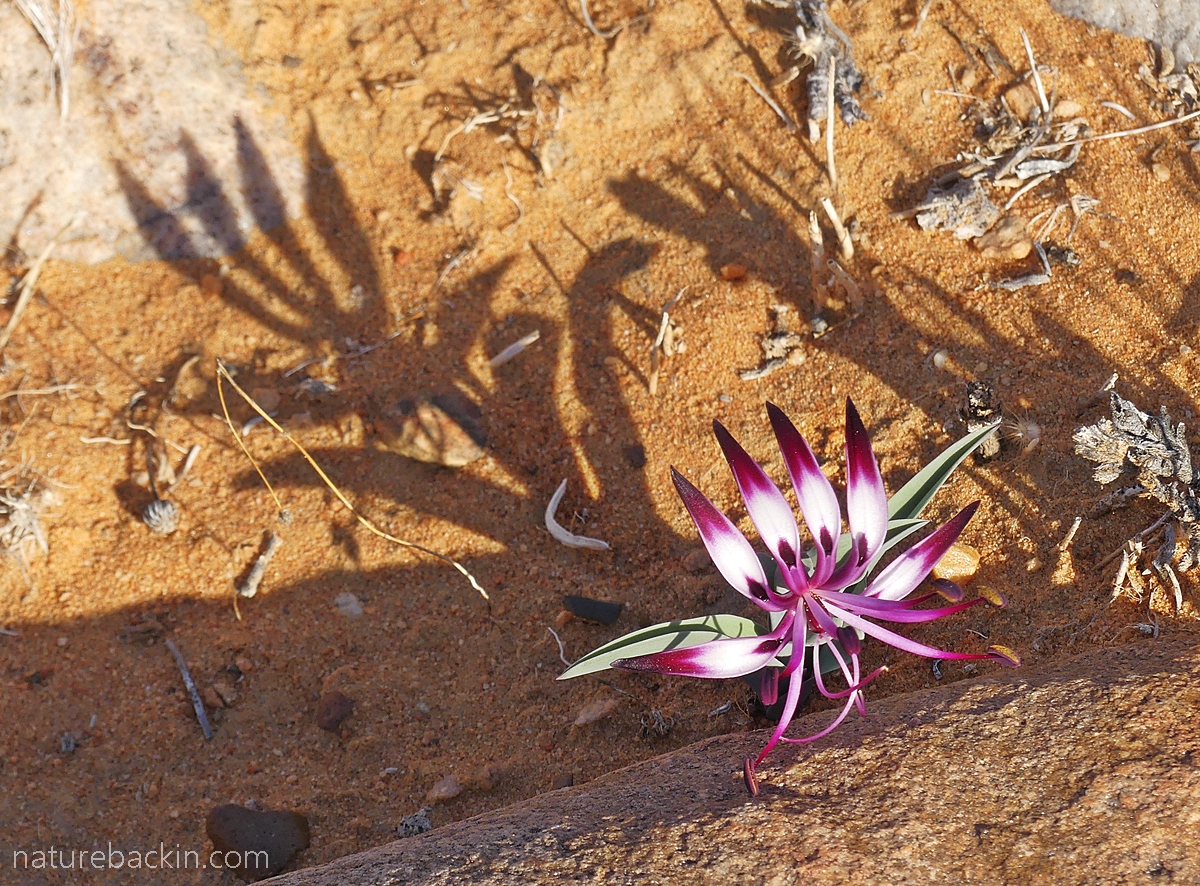
Arid it is in the Tankwa Karoo, but there is life to be found on the stony ground if one slows down and refocuses – generally a satisfying thing to do, and especially so when travelling to new places. And the rocks and stones are interesting not only to geologists and archaeologists. Their variety in colour, form and density are interesting to anyone – though the stones do have their drawbacks for those travelling by road!
Continue reading “Tankwa Karoo Part 2: Plants and birds and rocks and things”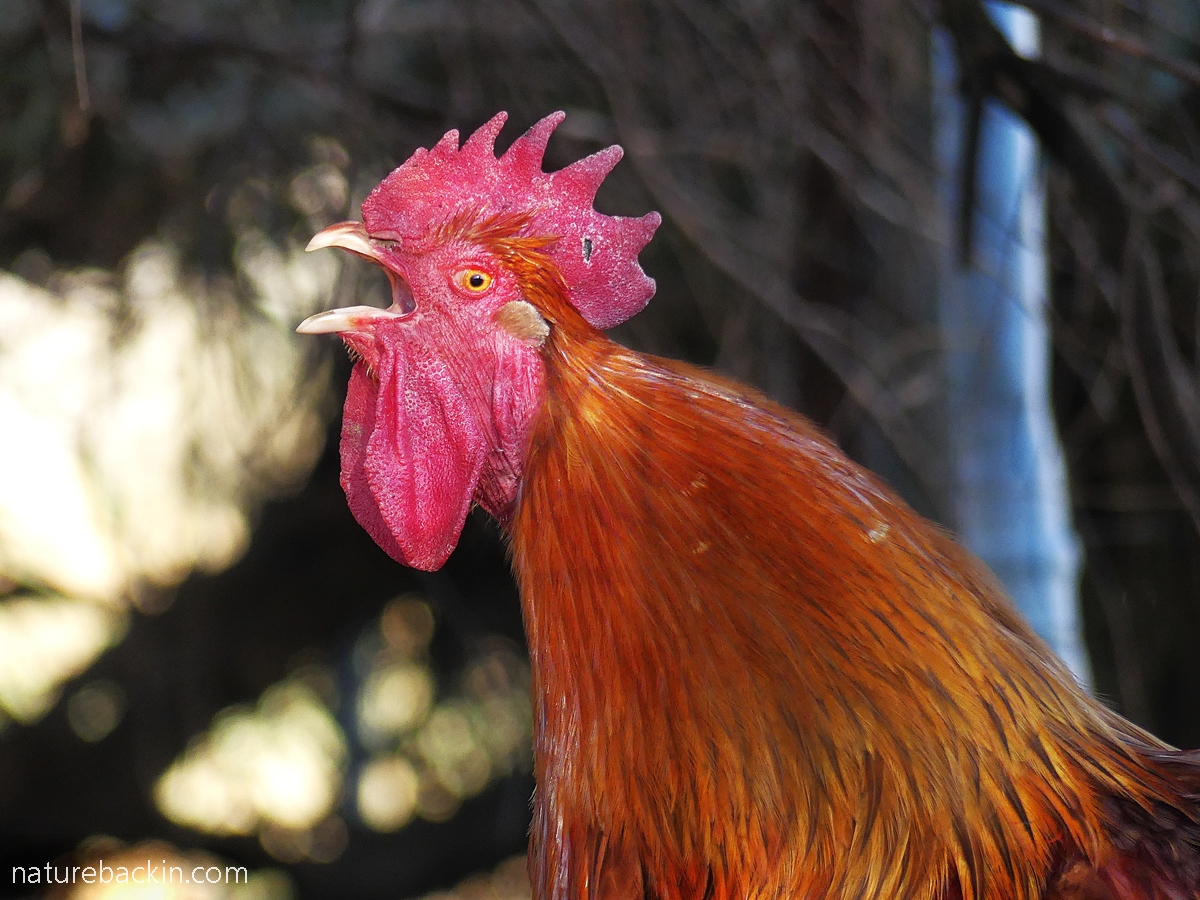
A friend kindly took us on an unexpected road trip to the Tankwa Karoo in late June this year. Who would think on a trip to the arid lowlands of the Tankwa basin that is surrounded by rugged mountain ranges, we would come away with photographs of farmyard animals? We stayed at self-catering farm accommodation on our route, where homesteading activities provided picturesque pastoral escapism somewhat at odds with not only the aridity but also the harsh realities of farming.
Continue reading “Tankwa Road Trip: Farmyard Animals and some history”
A day trip to the De Hoop Nature Reserve could not possibly do justice to its wonders from the high sand dunes near the coast to the mountains on its inland side, its endangered lowland fynbos vegetation and the 12 km-long (7,5 miles) vlei (lake) that is rich with waterbirds. Plus, its rocky shoreline adjoins a marine protected area in the Indian Ocean. De Hoop, home to Cape Nature’s Whale Trail, offers remarkable land-based whale watching opportunities from June to September each year.
Continue reading “Day trip to De Hoop Nature Reserve in the Overberg”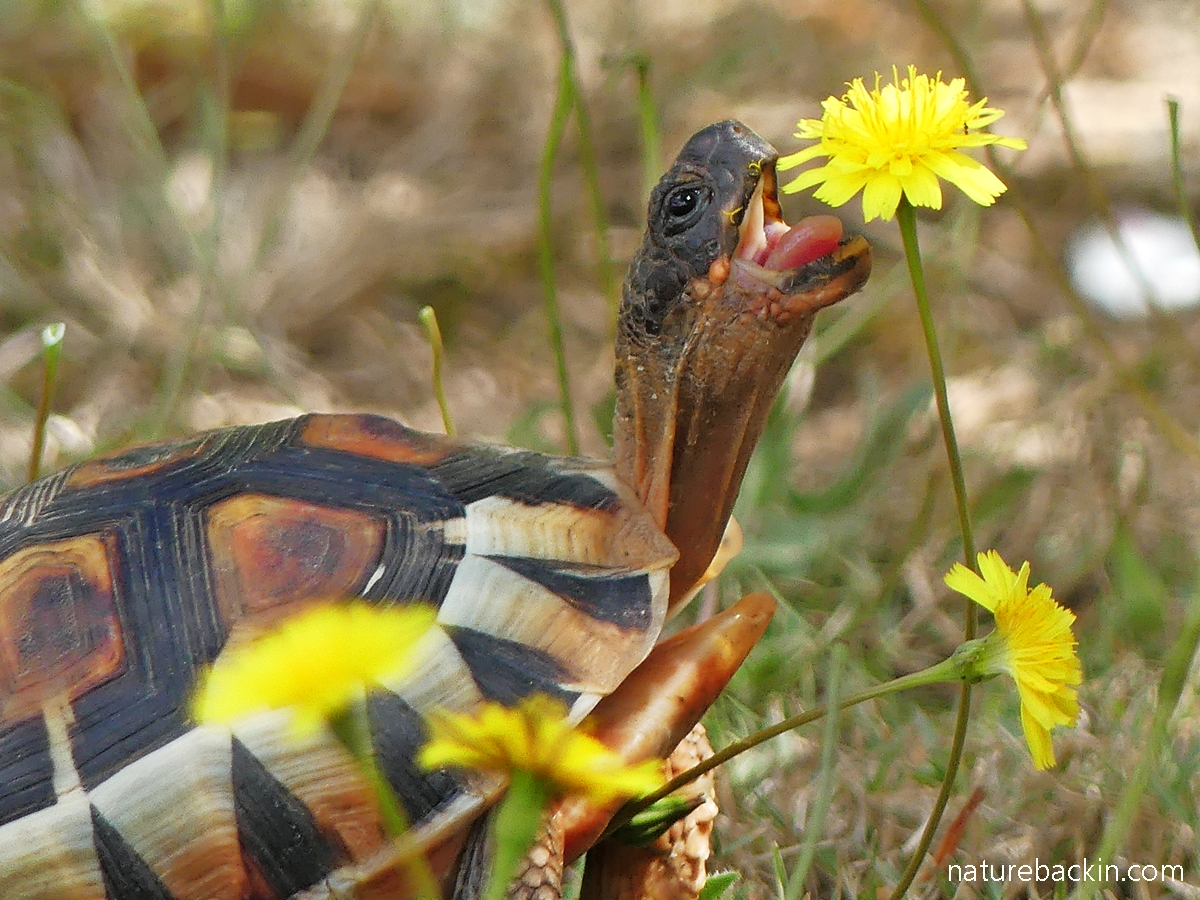
A wild tortoise has been visiting our garden to eat dandelion flowers growing in our “lawn”. The tortoise is small enough to fit under the garden gate. After feeding, it takes a siesta in a small hollow it has burrowed out under an old lavender bush.
Continue reading “A wild angulate tortoise foraging dandelions in our garden”
It is less than two weeks to us leaving our home and garden and moving 1700 km (over 1000 miles) across the country to an entirely different environment and climate zone. Of the wild creatures that have visited our garden over the years, we will particularly miss the vervet monkeys.
Continue reading “On living harmoniously with vervet monkeys”
During a break in the recent rainy weather vervet monkeys gathered on the roof of our carport and garage to rest, huddle, groom and play. The new babies take pride of place.
Continue reading “As I look out my window: Vervet monkeys at rest and play on a cool summer morning“
In my go-with-the-flow-garden I hope to provide a space for myriad natural processes – only some of which I even notice. I have been thinking about some of the more obvious interactions that allow the garden to sustain itself and its network of visitors and residents.
Continue reading “Letting nature show and tell“
We went on an impromptu trip to the Western Cape two weeks ago. While we were away our old Ridgeback, Rory, injured his back so the first part of our trip was marked by us worrying about Rory.
Continue reading “A road trip, Rory the Ridgeback and his recovery“