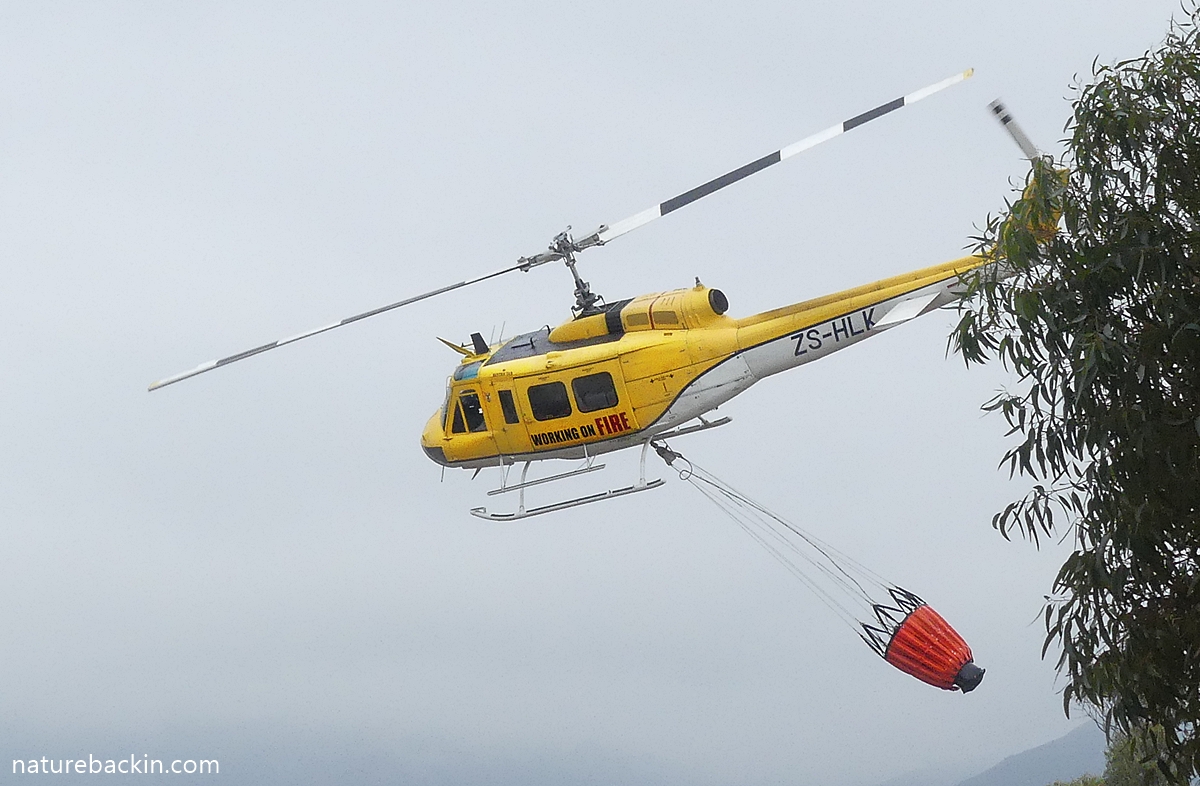
It is a month since the peak of the most recent of the wildfires that raged in our district. Ironically, after the intense heat and dryness, this week a cut-off low weather system brought unseasonal deluges of rain, heavy enough to cause flooding in some communities.
Continue reading “Fire lines: Weeks of wildfires in the Overstrand”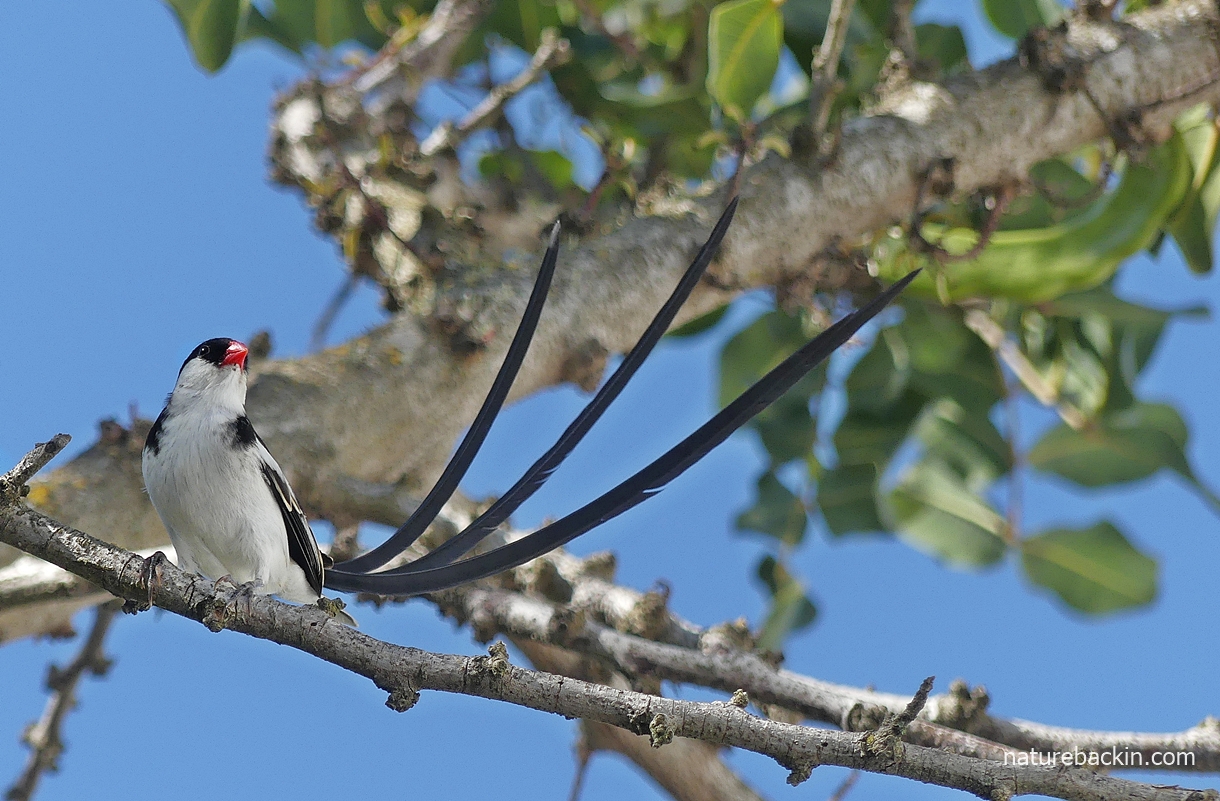
Although the males are unmistakable and conspicuous in the breeding season, initially I didn’t recognize the first non-breeding pin-tailed whydahs I saw in our Western Cape garden.
Continue reading “The pretty and pugnacious pin-tailed whydah”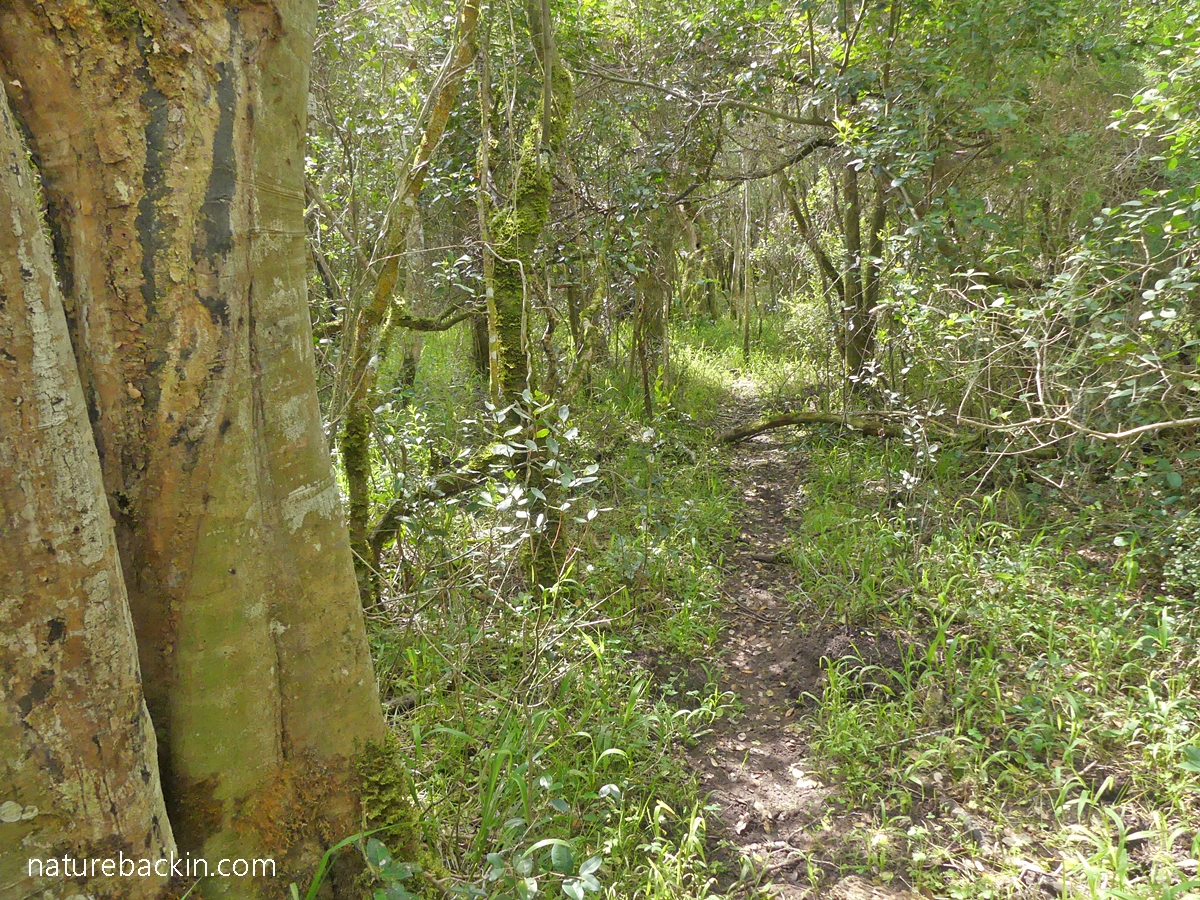
Fynbos shrubland is characteristic of much of the Western Cape’s natural vegetation, but in some patches that are not subjected to high fire danger, remnants of woodland and forests do exist. In the Walker Bay region of the Overberg, between Gansbaai and Hermanus, the Swartkransberg complex of lowland forest patches survive despite historical and ongoing threats to their survival.
Continue reading “Exploring Platbos – Africa’s southernmost forest”
I had been expecting to start posting again celebrating brighter, whiter sight after successful cataract surgery, but first intense storm surges along the coast and then the following week widespread flooding across the region, including a “100-year flood” in our village, surpassed all else.
Continue reading “After cataracts, storms and floods, I’m back …”
Impromptu stops to take in local sea views have provided some bright interludes in our cold and often wet winter. Here are some photos from one of the bright days when I remembered to take my camera along.
Continue reading “Sea views with gulls”
During a break in the recent rainy weather vervet monkeys gathered on the roof of our carport and garage to rest, huddle, groom and play. The new babies take pride of place.
Continue reading “As I look out my window: Vervet monkeys at rest and play on a cool summer morning“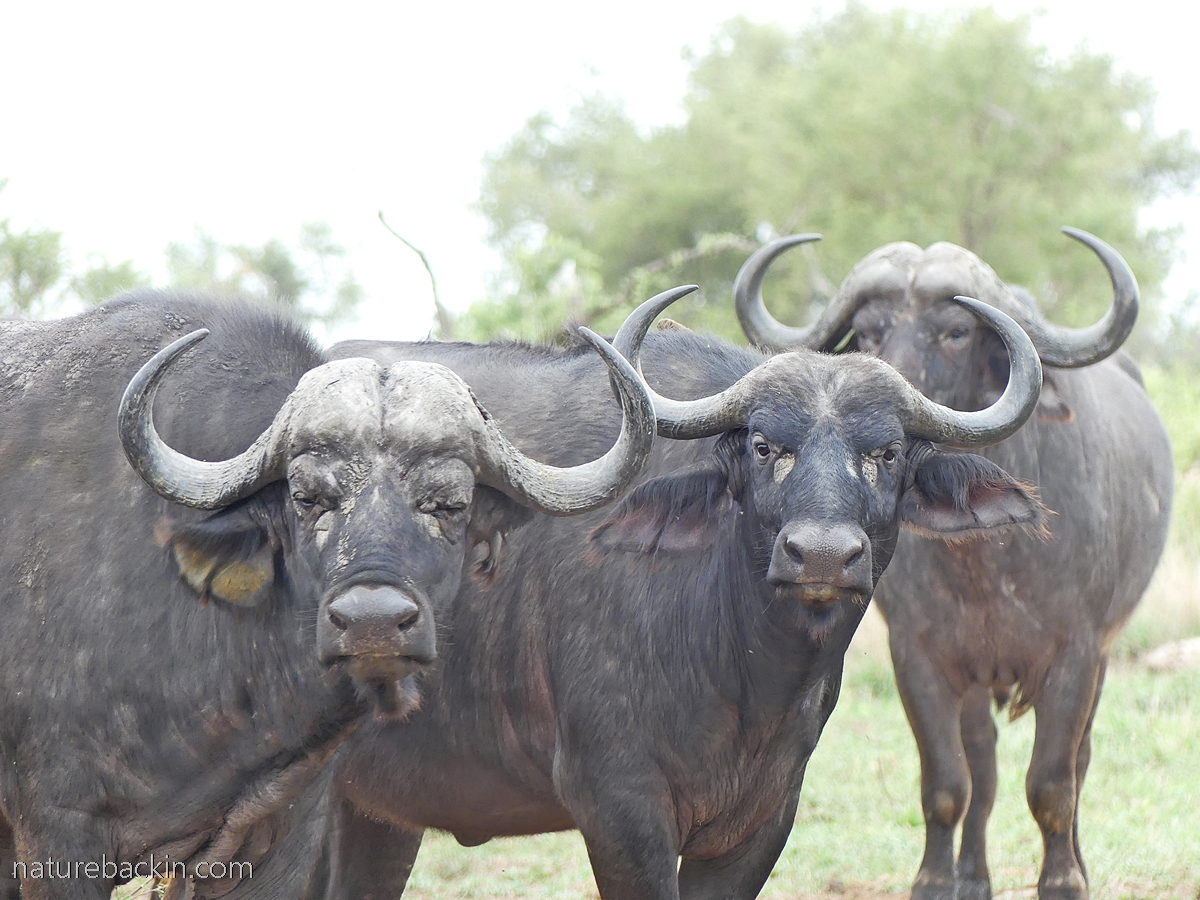
On a morning drive at Kruger National Park, seeing a large group of buffalo approaching we stopped our car to watch. They came closer and closer and then they stopped too. We had thought that we were watching them, but it turned out that they were also watching us.
Continue reading “Scrutinized by buffalos at the Kruger National Park”
Light, texture, pattern and other elements attracted my camera lens to capture some abstract images while on our visit to the Kruger National Park.
Continue reading “Abstract photos from Kruger National Park”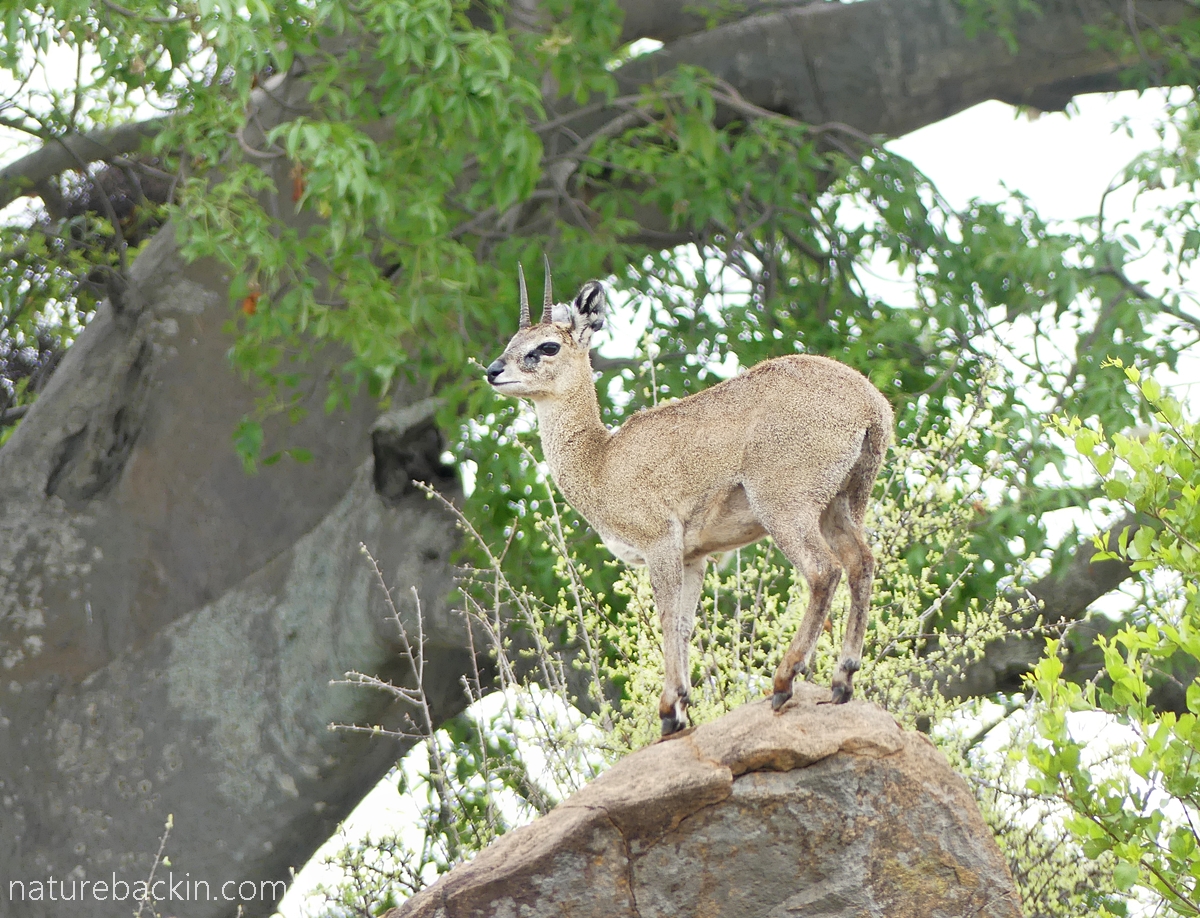
We were fortunate to see three species of dwarf antelopes on our recent trip to Kruger National Park. For an idea of their size, they stand no more than about 60 cm (23.5 in) tall at the shoulder and the average weight of individuals is in the region of 8–13 kg (17.5–28.5 lbs).
Continue reading “Three dwarf antelope: Steenbok, Sharpe’s grysbok and klipspringer”