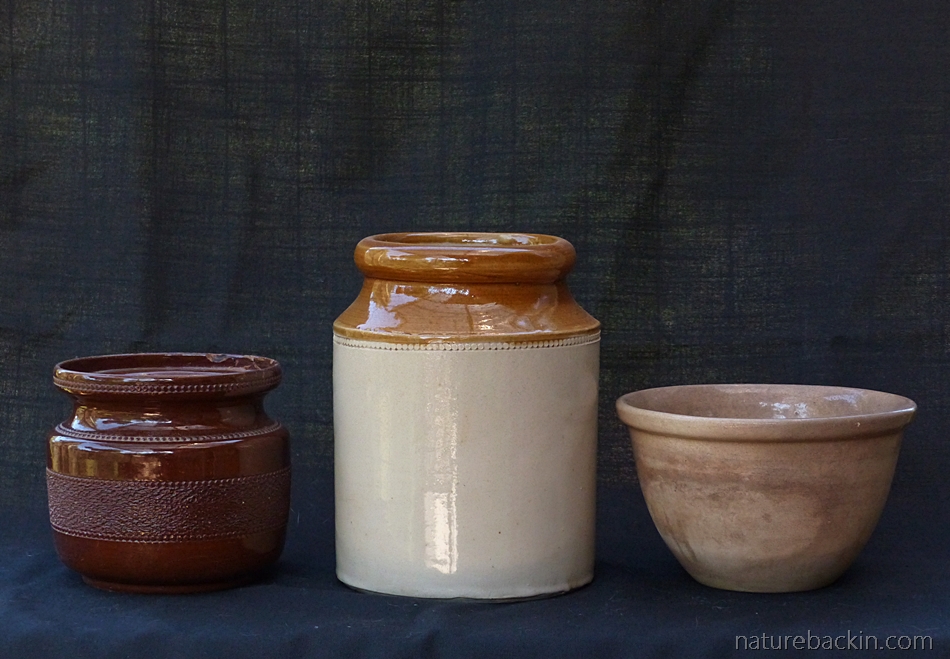
Luckily for me, both sides of my family had habits of frugality, which included saving stuff and reusing it or keeping it in case one day it might come in handy. Some folks might call it hoarding, but I value the presence of old handed-down objects, even if no longer used, which are signifiers of a time when people were more in touch with where their food came from. Continue reading “Nature’s bounty in the kitchen”

The shortest day in the south and the longest day in the north, the Solstice reminds us of the balance in the seasonal cycles.

A dainty hibiscus with delicate pink flowers graces our garden. It is a forest margin plant that grows wild mostly in the eastern parts of South Africa at low altitudes. It is nowhere near as well known as the popular exotic Chinese Hibiscus (Hibiscus rosa–sinensis) grown as an ornamental, but this indigenous South African plant is becoming increasingly adopted as a garden plant. Continue reading “The generosity of the Forest Pink Hibiscus”
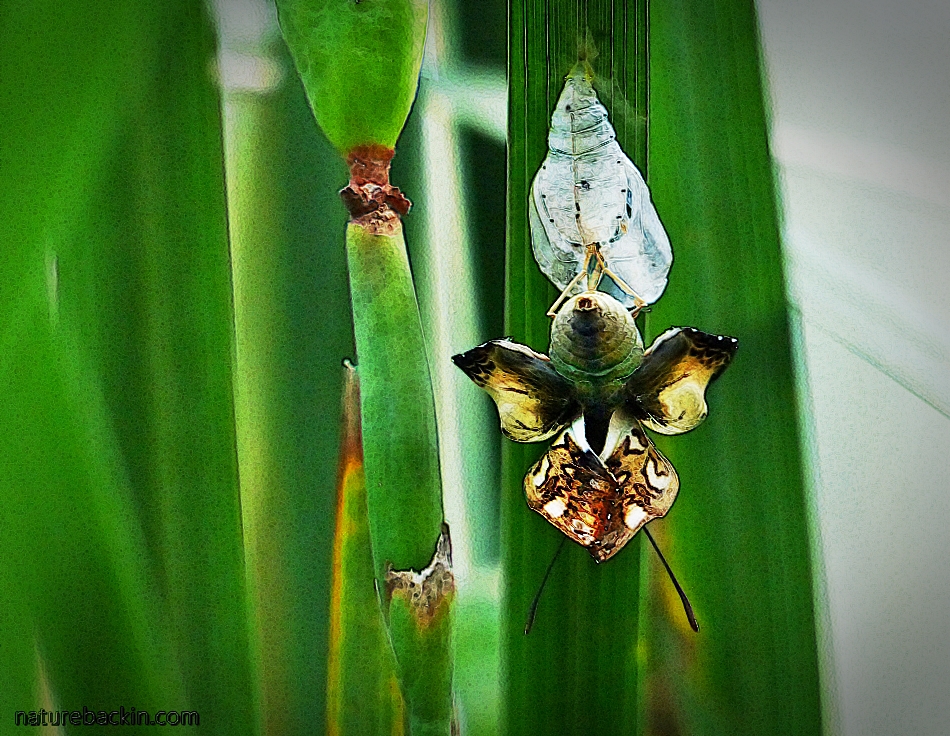
To see a butterfly emerging from the pupa to uncurl and spread its wings is akin to watching a miracle. Following on from last week’s post, here is my record of what might be a once-in-a-lifetime experience: witnessing individual butterflies emerge from the pupa (chrysalis). Continue reading “Watching butterflies emerging and getting ready to fly”
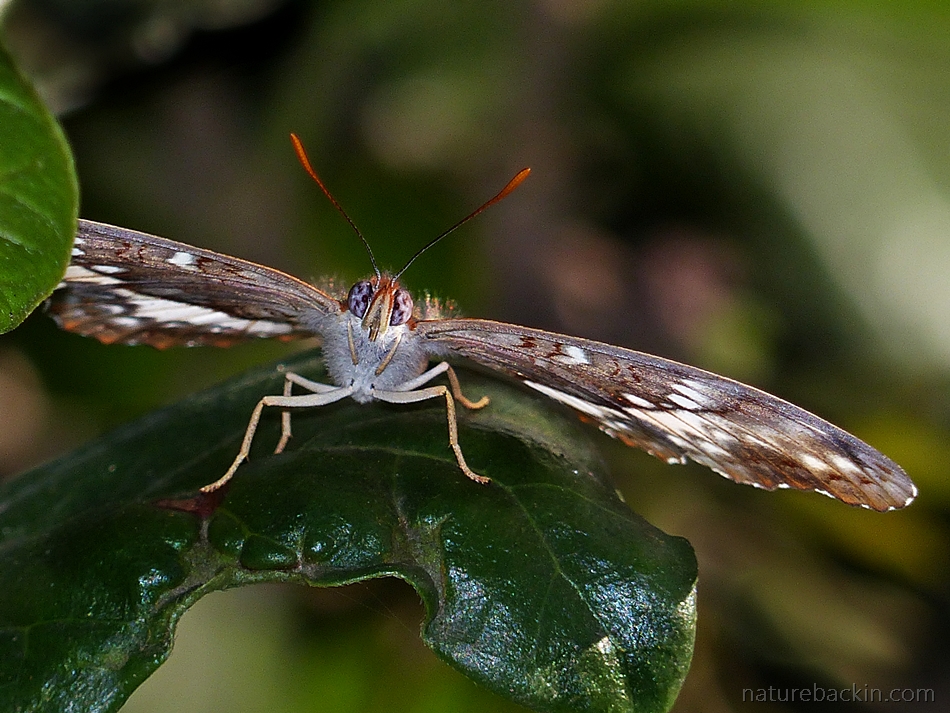
Very busy caterpillars that were doing more walking than eating in a nearly bare tree at the bottom of the garden first attracted my attention. My guess was that the caterpillars were getting ready to pupate, and so over the next few days I kept a look out hoping to find some pupae. It turned out that many of the caterpillars had been successful: I found dozens of butterfly pupae attached to leaves in nearby plants, and a few days after that, perching in the surrounding vegetation there were several butterflies with wings outstretched in the morning sunshine, these butterflies evidently from the first caterpillars to pupate. Inspecting the pupae, I found that several had hatched and some had newly emerged butterflies clinging onto the now empty shells. But as many of the pupae were still intact I couldn’t help thinking: If I keep careful watch I might actually witness a butterfly being born. Continue reading “Caterpillars with wings: An eye witness account of Battling Glider butterflies after hatching”

Pelargoniums, for a long time popular potted and garden plants across the world, have been in cultivation since the early 1700s. Of the 270 or so wild species of pelargonium, about 220 are native to South Africa. In addition to these wild species, many cultivars have been developed since pelargoniums have been in cultivation in Europe and elsewhere. Continue reading “Pelargoniums – wild and domesticated”

Damselflies hunt on the wing. They are not as acrobatic in flight as dragonflies, and I have seen them in flight manoeuvring slowly, rather like emaciated air balloons, floating horizontally searching for prey in the garden. Continue reading “Damselflies: Fleet flyer, aquatic egg layer”
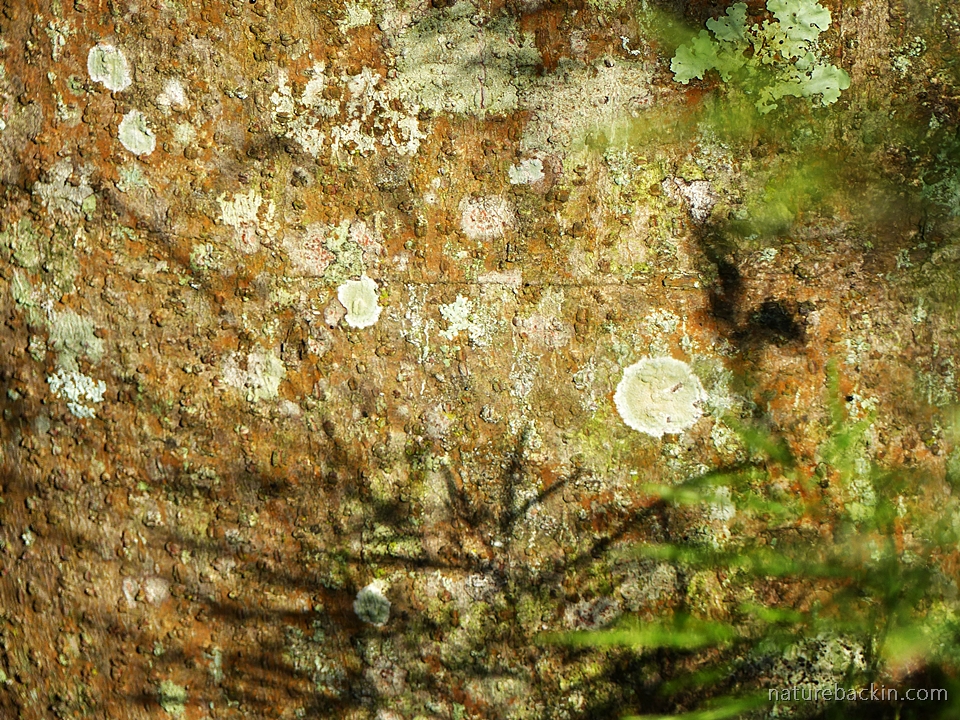
Having been somewhat abstracted of late, I thought some rather more abstract images might be appropriate for this post. All these photos I took in the garden during the past few weeks.
In art and photography abstracts tend to be less associated with the concretely representational. There are no hard and fast rules or definitive definitions, but abstracts deal more with patterns and forms, relationships between lines, shapes, textures, colours and contrasts, rather than with any realistic depiction. Continue reading “On being abstracted”
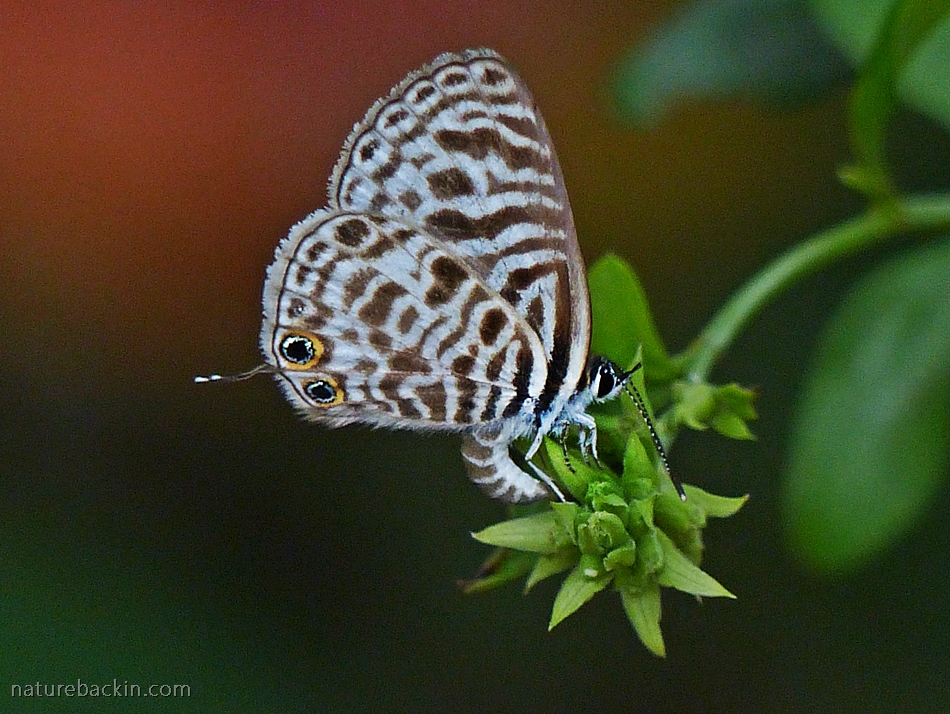
Members of a subfamily of gossamer-winged butterflies known as “the blues” are common in our garden. It is only when they open their wings that their blue colouration is revealed. Although these butterflies are small – in the region of about one inch across from wingtip to wingtip – their markings can be intricately detailed. Continue reading “The blues is alright: Butterflies and flowers”
