
Some Christmas decorations, still popular today, are adopted from old winter solstice traditions. Continue reading “Festive decorations in the garden”
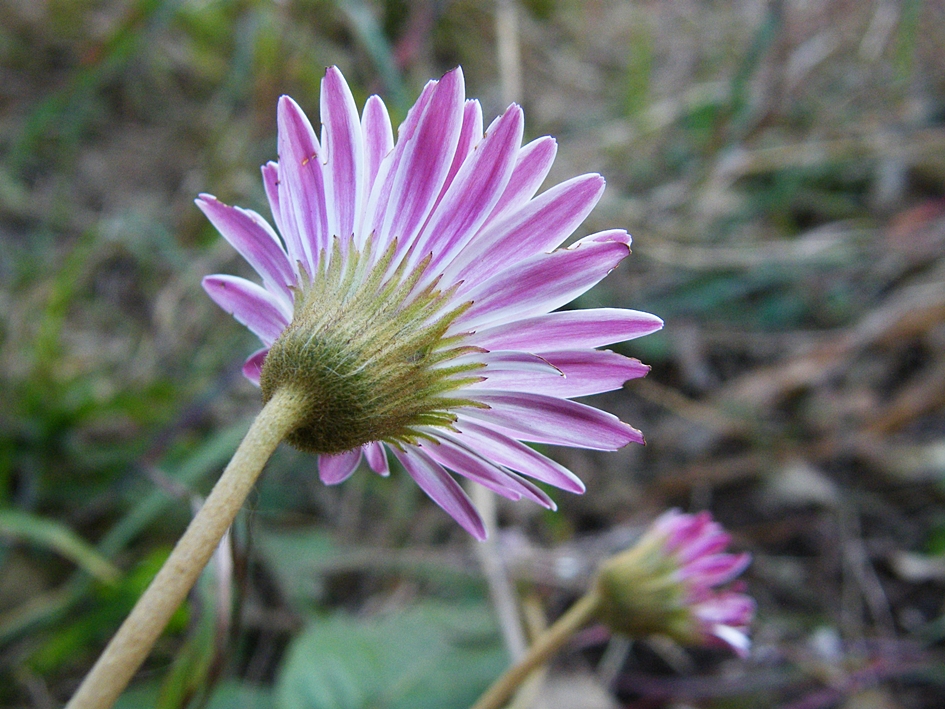
The sun always on their horizon, a new horizon every day! The gerbera daisies in our garden are showing me the way. Continue reading “Simplicity”
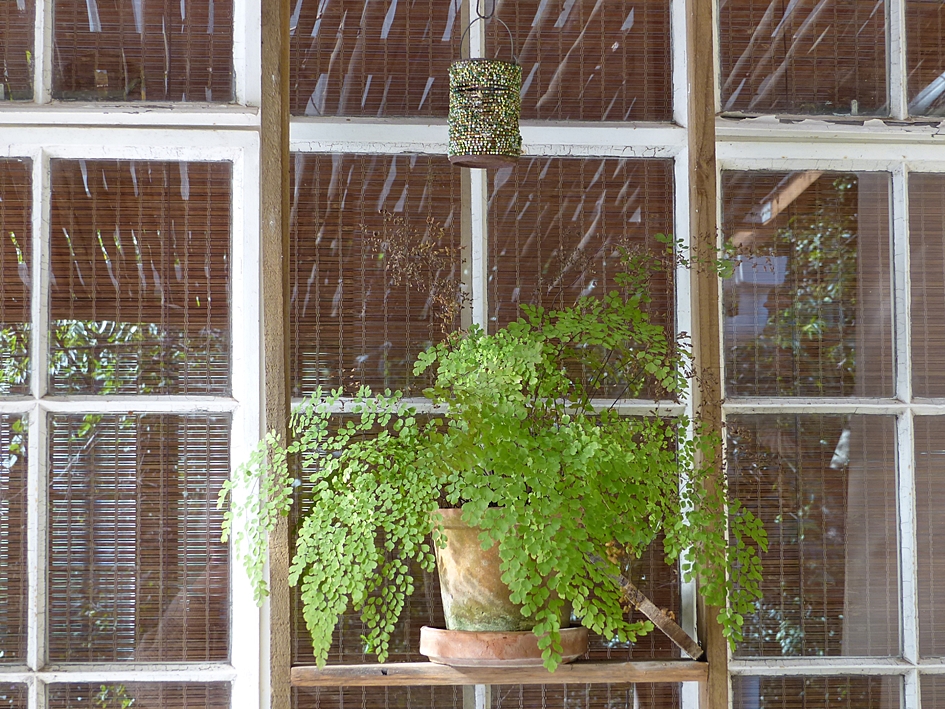
My favourite place for relaxing is the veranda, an intermediate zone not really inside and not really outside. I like to go out onto the veranda to watch the world go by, the birds go by, the sun go by, or maybe to enjoy a book, a cup of tea, a sundowner, a conversation, or simply just to sit. The veranda can be a meditative place. Continue reading “On the veranda”
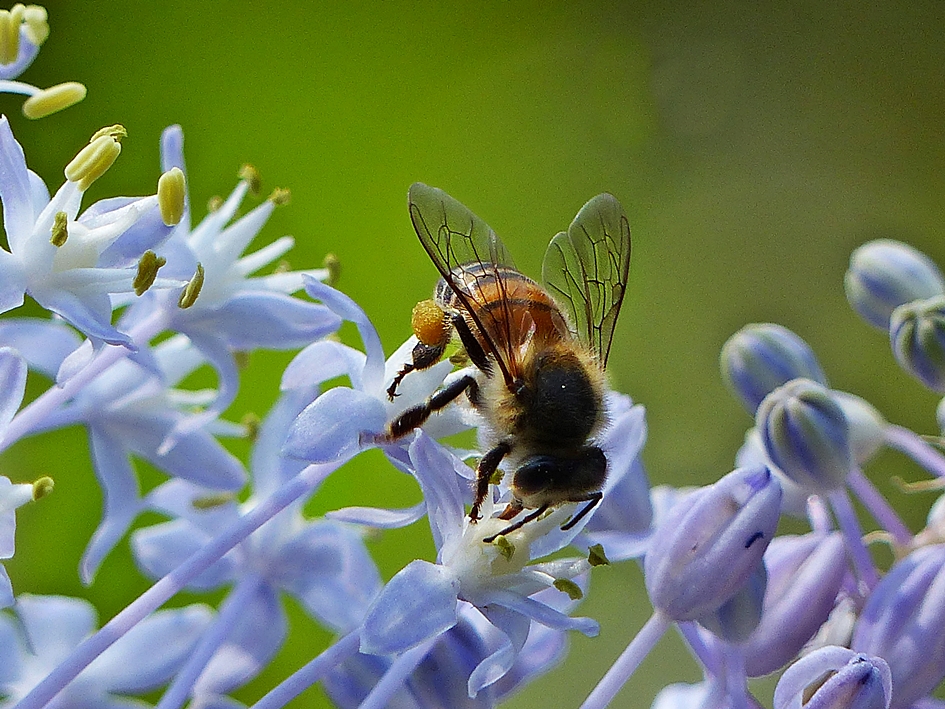
The summer garden is made special by gorgeous flowers that attract birds and insects, and most noticeably, the industrious honeybee. Continue reading “It’s not this time of the year without … flowers and honeybees”

After photographing droplets of rain on various plants in the garden, it was only later that I realized that I’d caught refracted images of flowers in some of the droplets. Magical or lucky – is there a difference? Continue reading “Magical refractions”
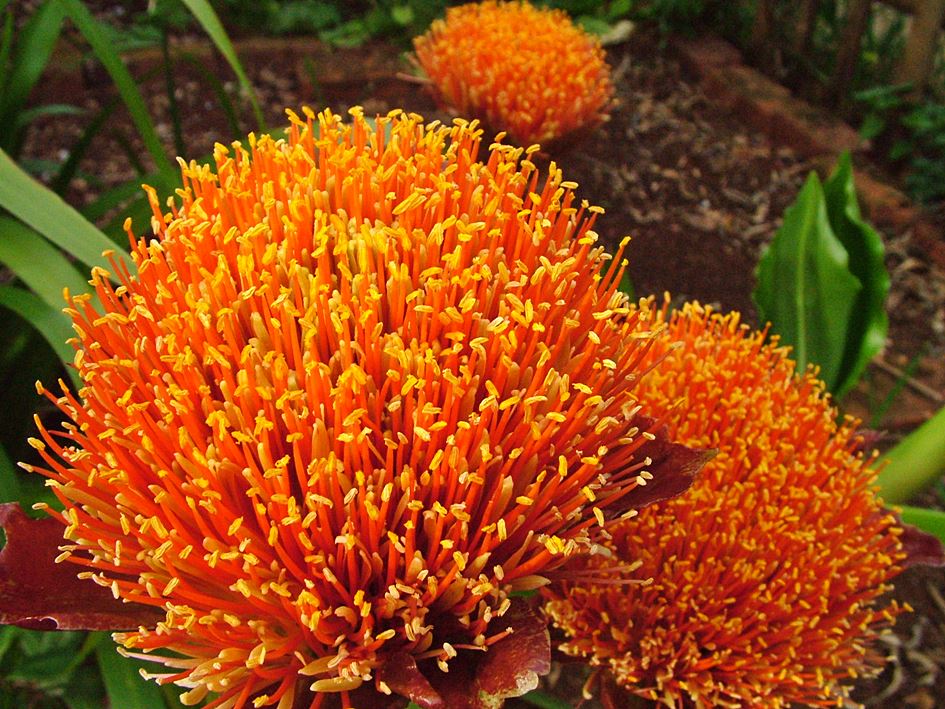
Spring has definitely arrived when these lilies start flowering. After being dormant throughout the winter, a green spear emerges from the ground to open into this brilliant flower. Continue reading “From winter dormancy to a spring spectacle: the Paintbrush Lily”

Nostalgia at its most sentimental is encapsulated by the old-fashioned little flower the pansy, a flower hybridised from wild violas. This picture is of pansies in our vegetable patch, glowing warmly in the light of the late afternoon sun. Continue reading “Nostalgia = Pansies”
 There is a place for a vegetable patch in any suburban garden, including wildlife-friendly gardens. Letting nature back in can include growing food plants and letting nature into your kitchen. In keeping with my rather laissez-faire attitude to gardening, we stick with herbs and vegetables that are relatively easy to grow and suited to the local climate and soils. Continue reading “Letting nature back in via a kitchen garden”

Having burst out of its seed sheath and pushed up through the surface of the soil, this bean starts its long and arduous journey to maturity – to grow tall and produce flowers that turn to pods bearing seeds. Continue reading “Bean on a quest”
