
In a hot dry spring many birds and animals are struggling to survive even here in suburbia. However, gardens large and small can help wildlife survive in difficult circumstances, especially when gardens are planted with indigenous (native) plants that provide food and shelter. Continue reading “Food for birds and wildlife: Planting for heat and drought”
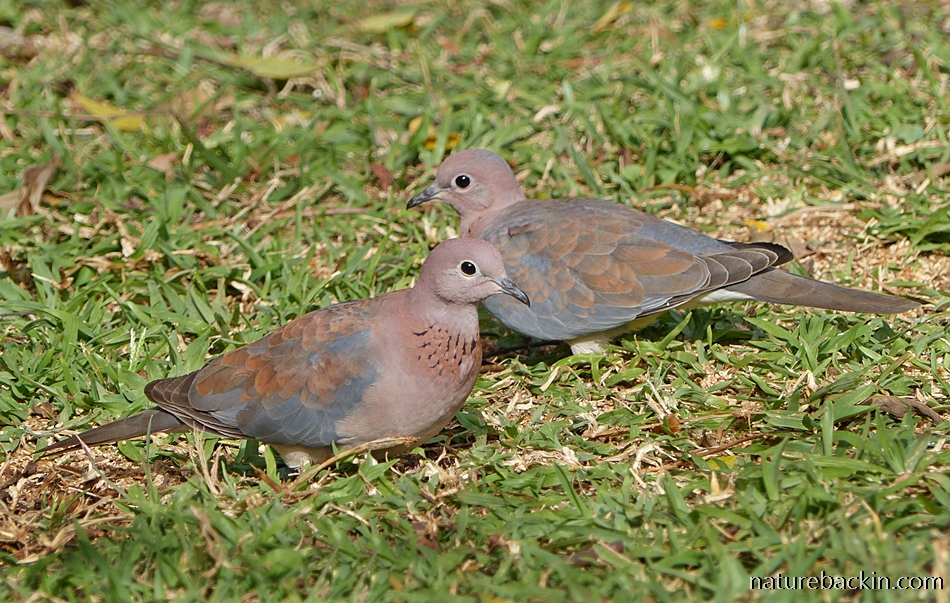
Doves may be relatively common, usually their colours are subtle, but they should not be taken for granted. The understated beauty of doves is something to be celebrated. Continue reading “Love doves (you don’t know what you’ve got ‘til it’s gone)”

One of the most colourfully eye-catching birds with the most vibrant calls to visit our garden is the truly gorgeous Purple-crested Turaco. Continue reading “Sound and vision: The Purple-crested Turaco”
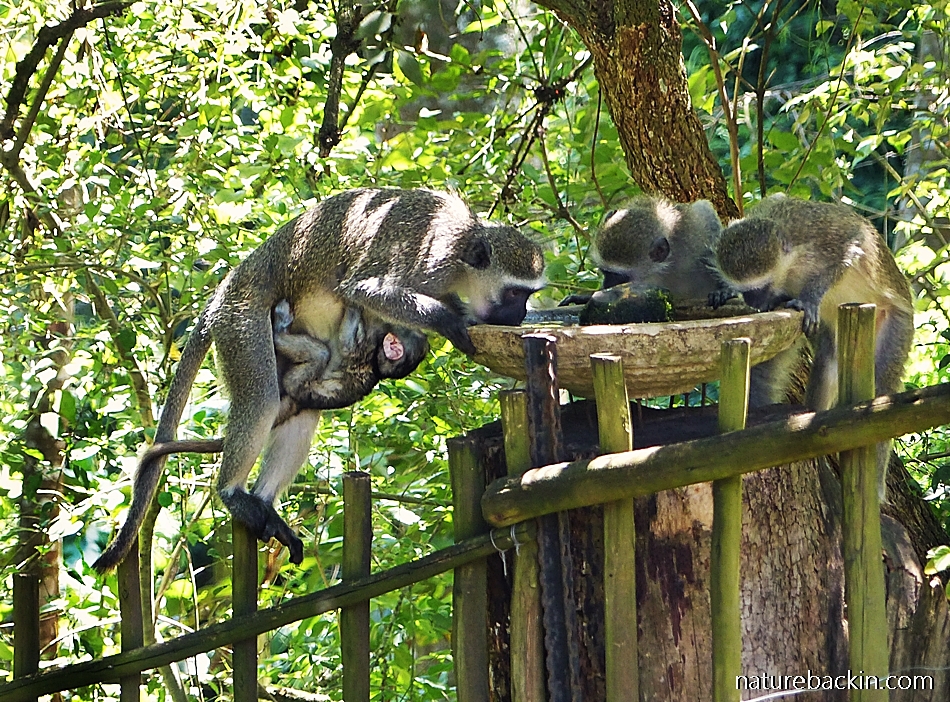
The main seasons in our part of the world are only two: wet season and dry season. But prolonged drought over much of the country has erased that distinction into one long dry bleakness where rain of any significance is a memory or a hope. Continue reading “A dry season: Just add water”

Yes that’s right, a hot winter’s day. Yesterday’s high temperature of 28°C intensified the season’s dryness as we found when we ventured forth from suburbia for a walk in the Drakensberg mountains. Continue reading “Mountain walking on a hot winter’s day”

I first fell in love with a Tassel Berry tree at the Hluhluwe Game Reserve Hilltop Camp. It was old, gnarled and shaped by the prevailing wind. By contrast, the tree in our garden leads a sheltered life. Continue reading “The Tassel Berry tree: Bountiful in fruit and flower”
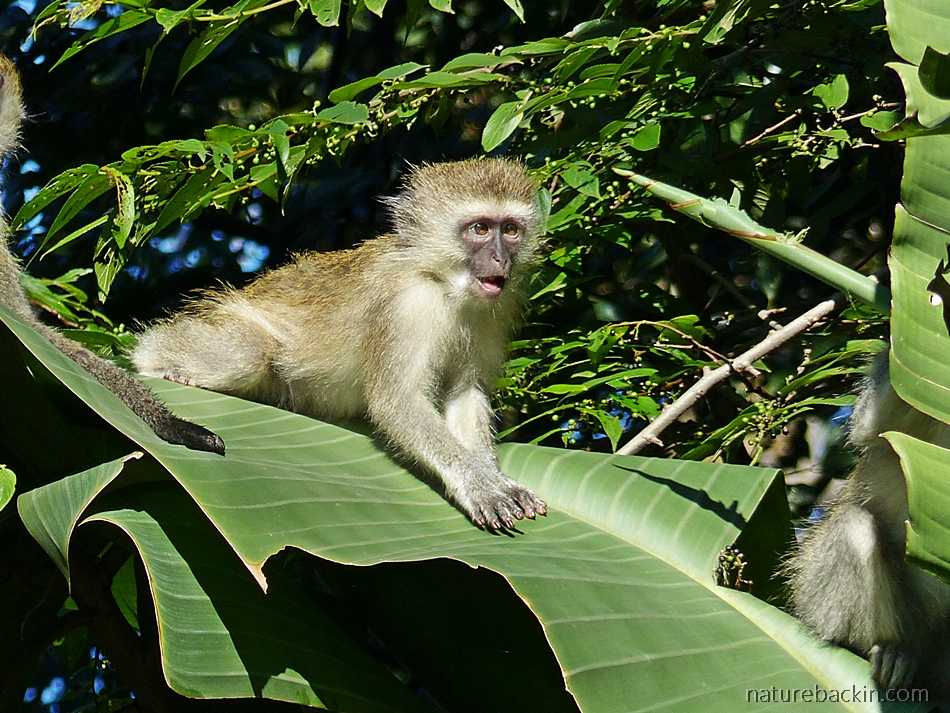
This young Vervet monkey is part of a group enjoying early morning winter sunshine while eating berries from the Pigeonwood (Trema orientalis) tree. I like how the youngster is taking advantage of a wild banana (Strelizia nicolai) leaf as a partial hammock. Continue reading “Winter in the garden: a selection of photos”
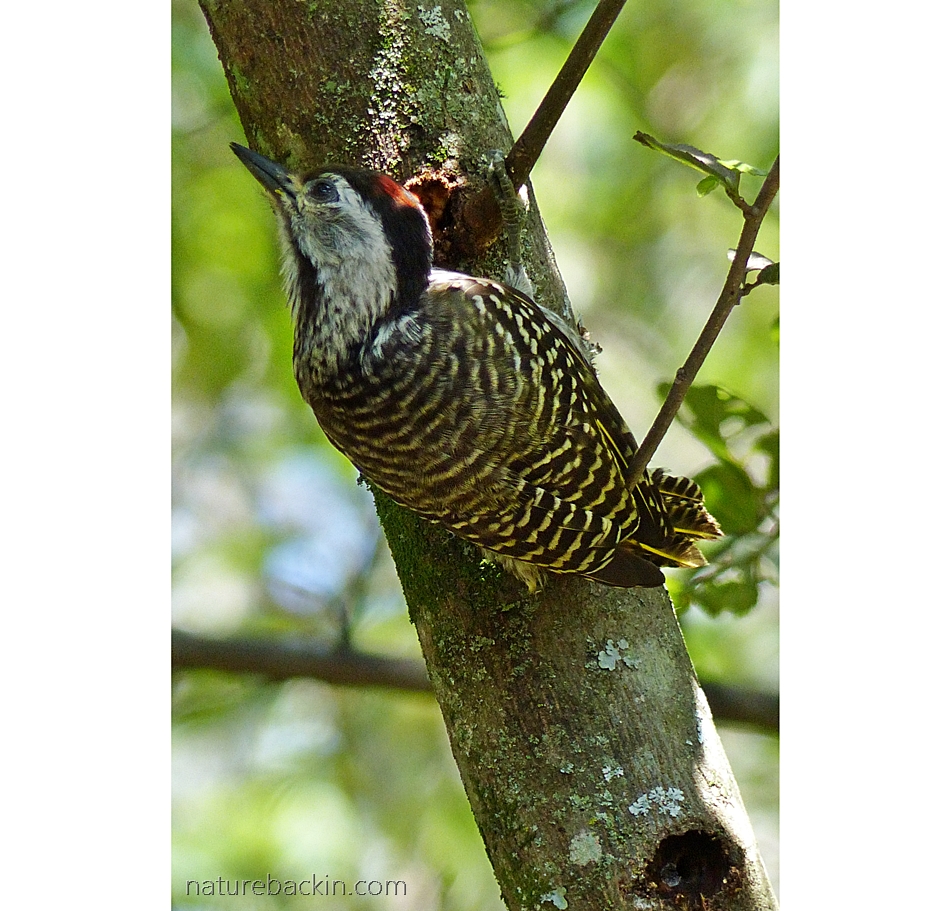
We often hear woodpeckers tap-tap-tapping on wood as they search for food in the trees in our suburb most of the year round. They are also quite vocal, but despite all this noisiness they can be difficult to see as they are mostly high up among the branches and foliage of the taller trees. Continue reading “Woodpeckers foraging two-by-two”
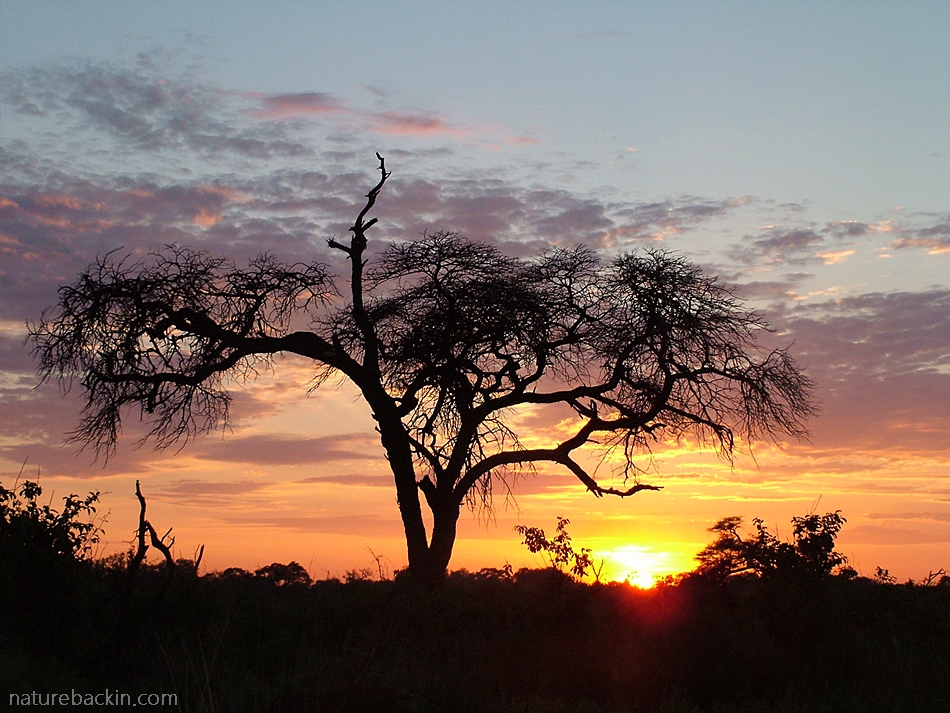
Conventionally, the rising of the sun indicates the promise of a new day. Dawn brings a transition from darkness into light ranging from the subtle to the dramatic, a transition associated with awakening, hope and possibility. Continue reading “Sunrise, dawn and times of transition”
