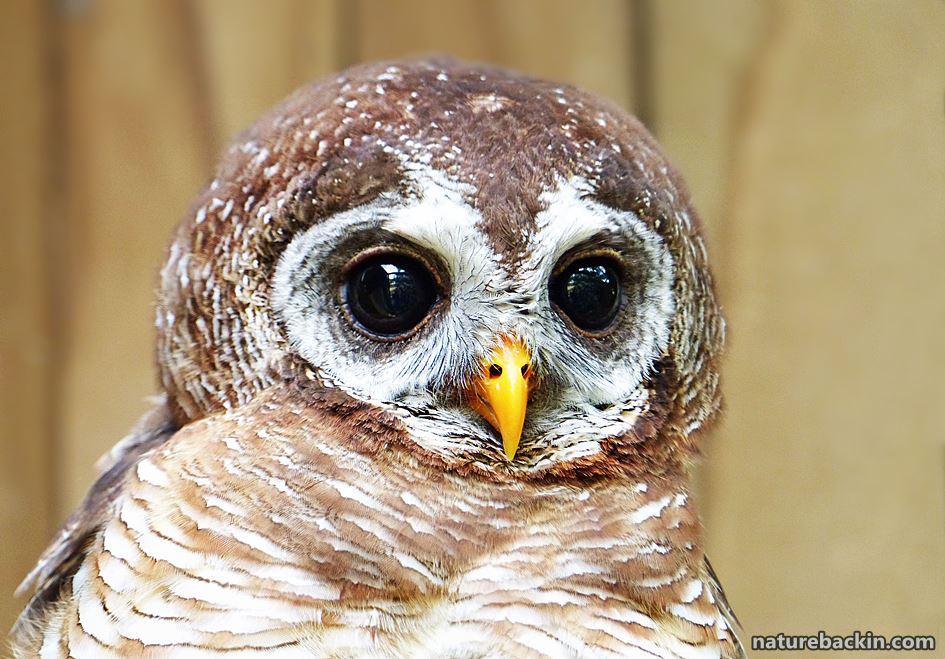
The appealing Wood Owl is one of the species of raptors that occur in our neighbourhood. Raptors are generally beneficial to us humans because they prey on species that, if their numbers get out of hand, can become problematic to us, in both urban and rural settings. Continue reading “Raptors, rat poisons and us”

Previously, I have highlighted birds that are daily visitors to our garden. By contrast the Bush Blackcap and the Swee Waxbill appear to be infrequent or very discreet visitors. Continue reading “Fleeting garden visitors: The Bush Blackcap and the Swee Waxbill”

Brightening up our mini-grassland this autumn are the seeded plumes of the Golden Bristle Grass. Not only do they catch our eye, but they also catch the attention of seed-eating birds. Continue reading “For the birds: Grass going to seed in the autumn garden”
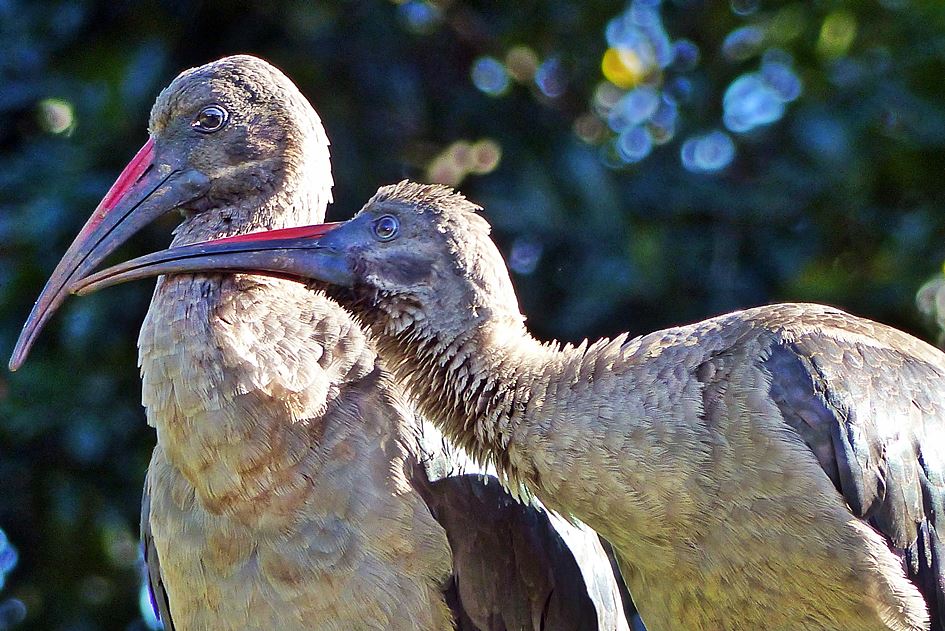
Although nearly fully grown, this juvenile Hadeda Ibis still seeks a sense of security from its parent. Continue reading “The security of parental care”

What has bright yellow legs and bill, is predominantly purple-brown with beautiful speckled markings and hints of iridescence, a soothing deep and almost resonant call, clambers about in large trees with clumsy agility in search of small fruits, and is one of my favourite garden birds? Continue reading “The forest-loving African Olive-Pigeon – a special garden visitor”
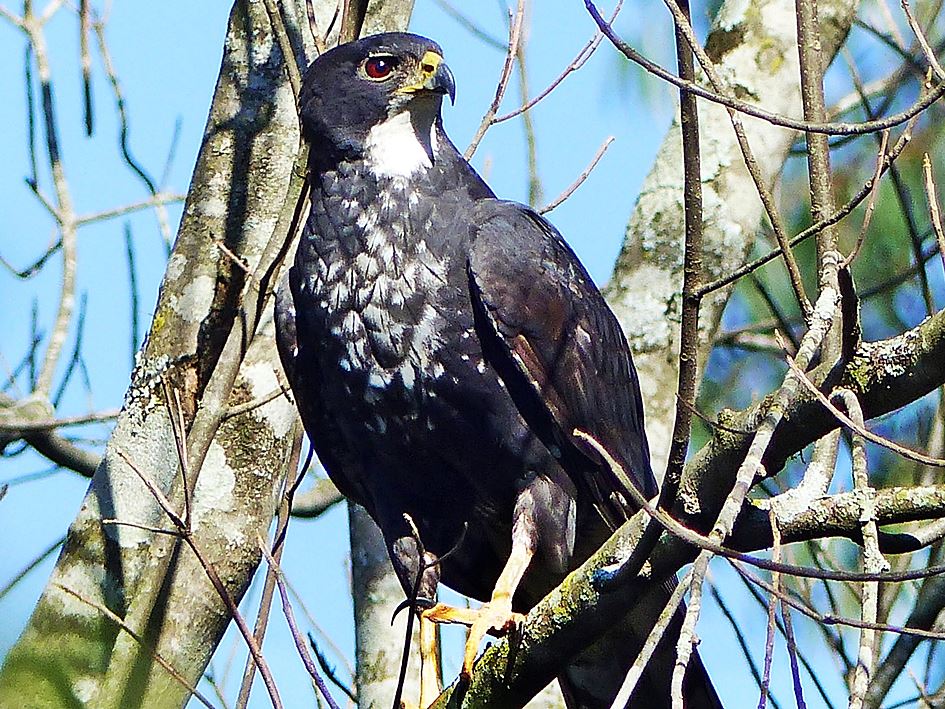
The name “sparrowhawk” comes from the prey (sparrows) of some species of sparrowhawks, and does not refer to the size of the raptor itself. Continue reading “Black Sparrowhawks in urban areas: Where to now?”

Here is a bird that lives up to its beautiful name – the word “oriole” derives from the Latin for “golden”. Continue reading “Black-headed Oriole: Golden bird of the African treetops”
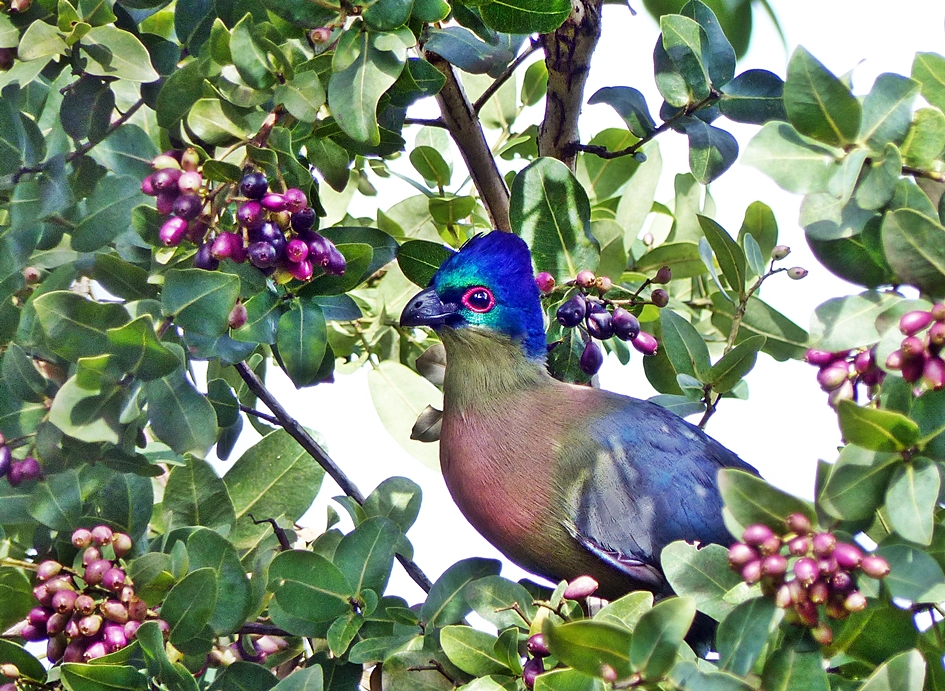
When I see birds and monkeys enjoying these purple berries, I invariably think of the song “Wooden Ships”. The link between the Waterberry tree (commonly referred to by its Zulu name umDoni) and the song is purple berries. Continue reading “Say can I have some of your purple berries?”

Because doves and pigeons mate for life, people in many cultures have attributed to them the qualities of loyalty, love and devotion, virtues that, sadly, have had paradoxically lethal consequences for these birds characterised (pigeon-holed?) as being gentle and unaggressive. Continue reading “Redeyed Doves, Turtle Doves, monogamy and sacrifice”
